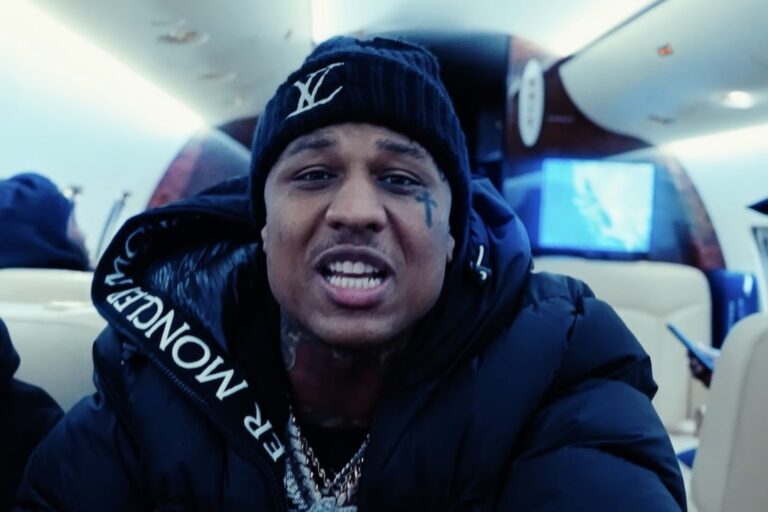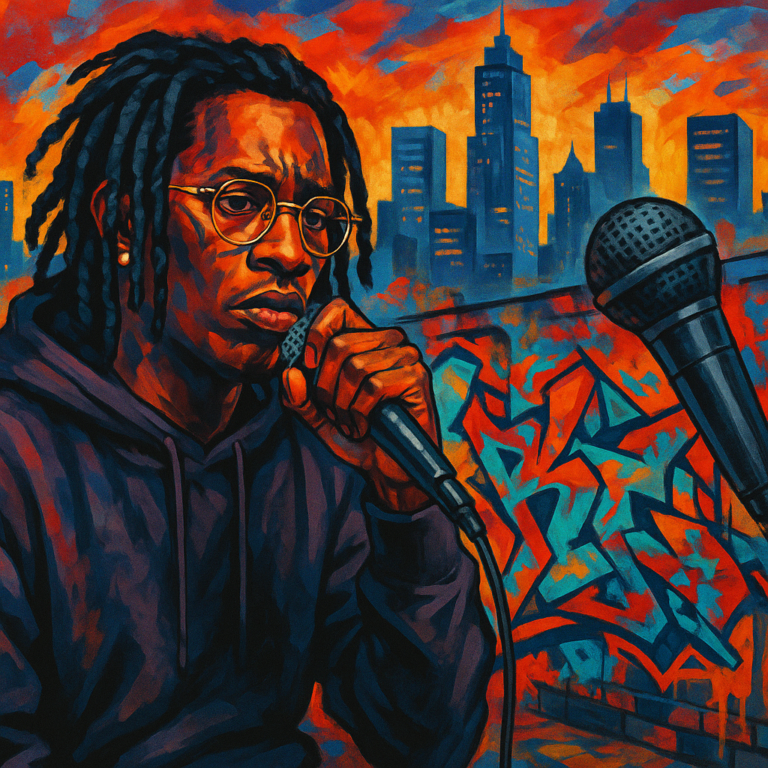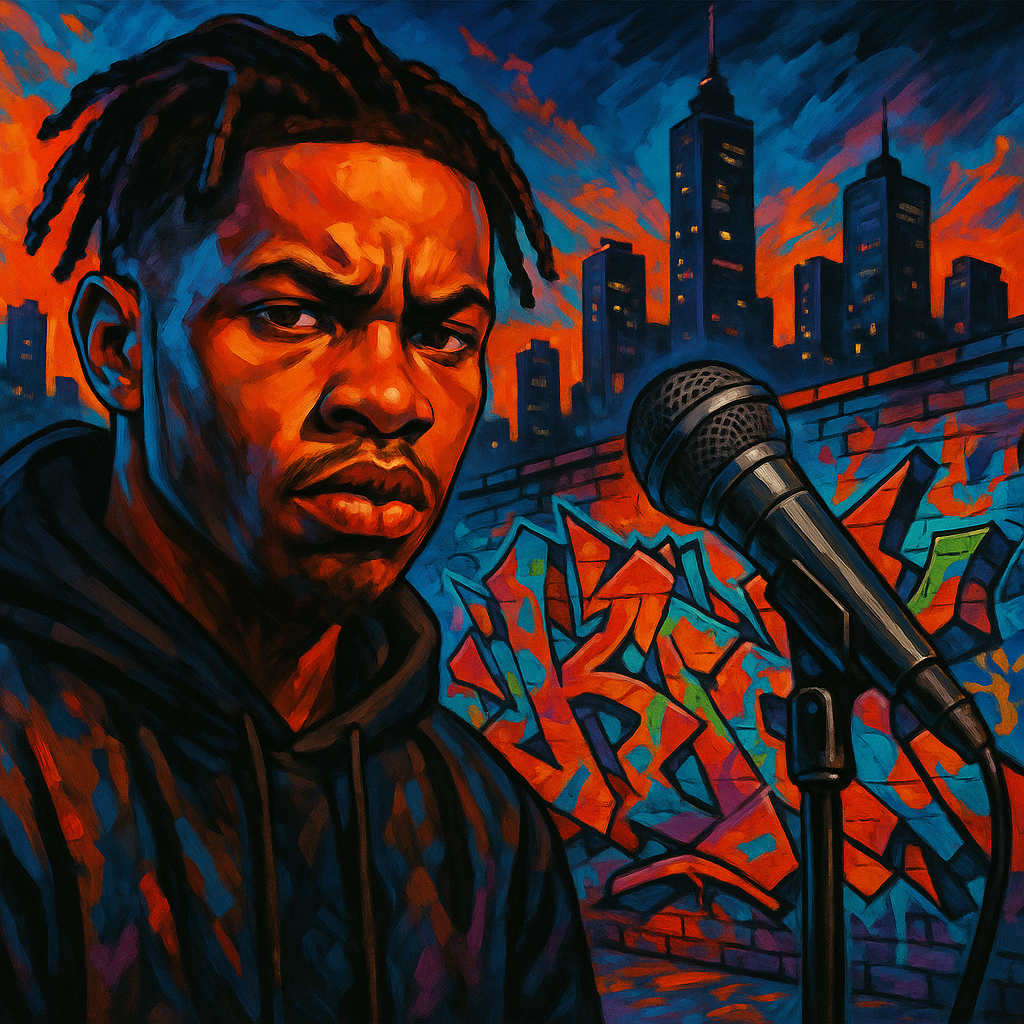
We’ve seen it time and time again: the world loves our culture, but when it comes to holding us accountable, they wield it as a weapon. The recent case where prosecutors used a man’s hip-hop lyrics to push for a death sentence is another grim reminder of how our art form is misused to perpetuate stereotypes and injustice. This isn’t just an isolated incident; it’s a pattern that pushes us to ask: why does this only happen to rap music?
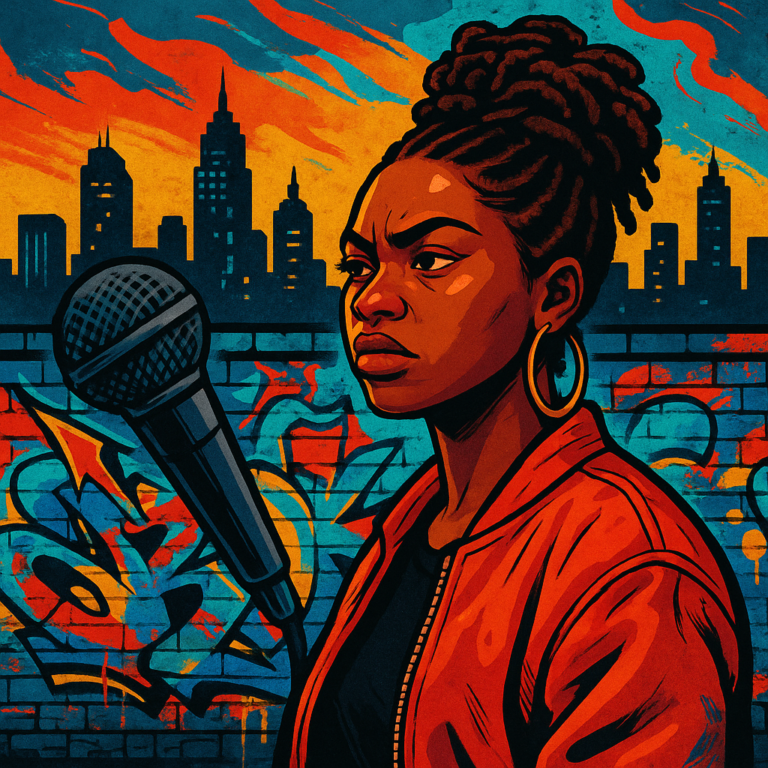
Hip-hop has always been a reflection of our truth, a raw expression of our struggles, dreams, and aspirations. From the streets of the Bronx to the global stage, our lyrical narratives capture the complexities of life in our communities. Yet, somehow, those same lyrics that offer commentary on social issues can be twisted into evidence against us in a court of law. This case underscores the dangerous intersection of art and justice, where our creativity is criminalized while other genres remain untouched.
The law is supposed to be impartial, yet it feels like there’s a target on our backs. We’re not just talking about the systemic biases that exist in the legal system; we’re witnessing a cultural bias that views Black creativity through a lens of suspicion. The irony is palpable: mainstream society profits from hip-hop, but when we express our truths, those expressions become fodder for prosecution. It’s a tragic cycle that not only affects artists but sends a chilling message to our youth about how their voices might be interpreted.
We need to rally together, not only to defend our art but to challenge the legal frameworks that allow for such blatant discrimination. It’s essential that we advocate for the recognition of hip-hop as a legitimate form of expression, not a criminal blueprint. The ongoing battle for justice is our fight; it reflects the broader struggles against systemic oppression. We’re artists, but we’re also activists, and it’s time we unite to demand that our stories be heard and respected.
As we navigate this complex landscape, let us remember that our words hold power. They can inspire, provoke thought, and challenge the status quo. We must ensure that our voices are not silenced or distorted by those who fail to understand or appreciate the richness of our culture. If lyrics can lead to a death sentence, then we must ask ourselves: what will it take for our voices to be seen as instruments of change rather than weapons of criminalization?
About The Author