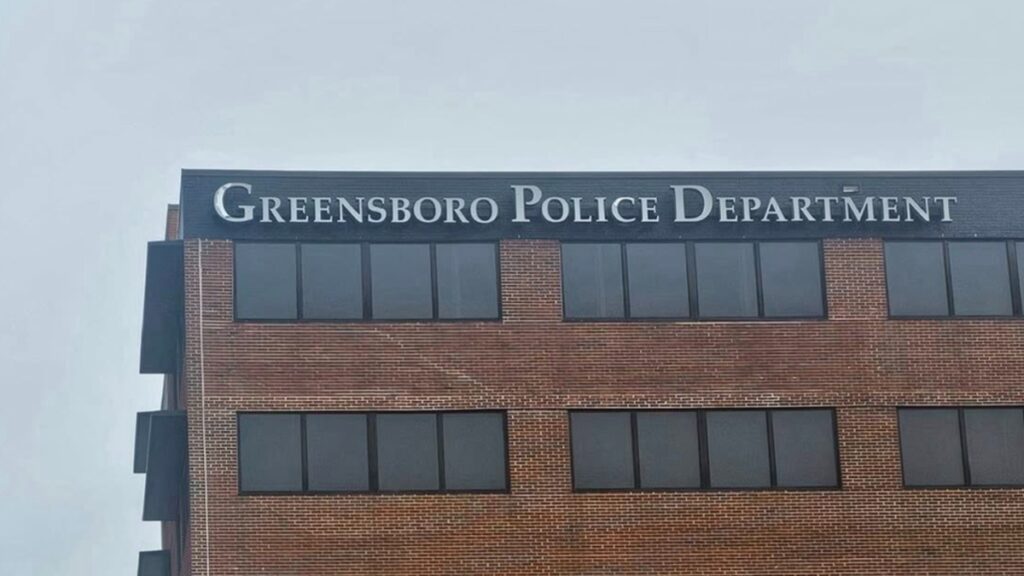
In a curious twist of events that many were quick to label as tone-deaf, the Greensboro Police Department recently found itself in hot water for a social media post that many residents interpreted as mockery. The post, which seemingly poked fun at local citizens, lit a fuse on the internet, igniting backlash that reminded us all of the delicate dance between law enforcement and the communities they serve. It seems the department forgot one crucial element: social media is a two-way street, and residents are not afraid to clap back.
The now-infamous post featured a cheeky caption that came across more as a dig than a dialogue. Instead of fostering community engagement, it read like a playful jab at the residents, many of whom have faced their fair share of challenges in dealing with crime and safety in the area. What the police department may have intended as light-hearted banter quickly spiraled into a public relations debacle. Social media users, armed with their keyboards and a treasure trove of memes, took no time to respond, highlighting the growing disconnect between police and the communities they are supposed to protect.
This incident isn’t just a minor slip-up; it reflects a broader trend where law enforcement agencies, in their attempts to seem relatable, sometimes end up alienating the very people they aim to serve. In an era where public trust in police is already a fragile fixture, a playful jab seems misplaced. Instead of laughter, residents were met with a stark reminder that the relationship between community and police can be fraught with tension and distrust. This moment serves as a wake-up call for departments across the nation that community engagement ought to be approached with sensitivity and nuance.
The ensuing online reaction showcased the power of social media as a platform for community expression. Many residents took to Twitter and Instagram, transforming the police’s misguided post into a rallying cry for accountability. This was more than just a response to a cheeky comment; it represented voices long yearning for a genuine connection and honest dialogue with law enforcement. The internet rallied, not just to criticize but to emphasize the necessity for police departments to listen, engage earnestly, and foster an environment of mutual respect.
Ultimately, the Greensboro Police Department’s post stands as a cautionary tale about the perils of miscommunication in the digital age. It reminds us that social media is not merely a tool for outreach, but rather a mirror reflecting the sentiments of a community. As we navigate these complex relationships, it is essential for law enforcement to approach their interactions with empathy and care, lest they find themselves on the receiving end of a backlash that’s both swift and powerful.
About The Author