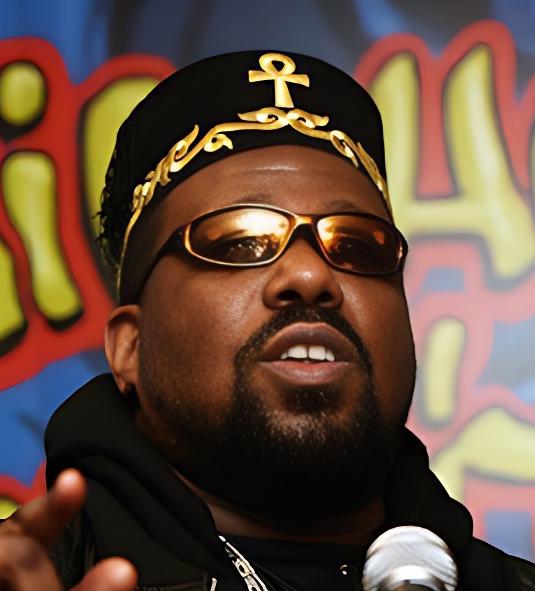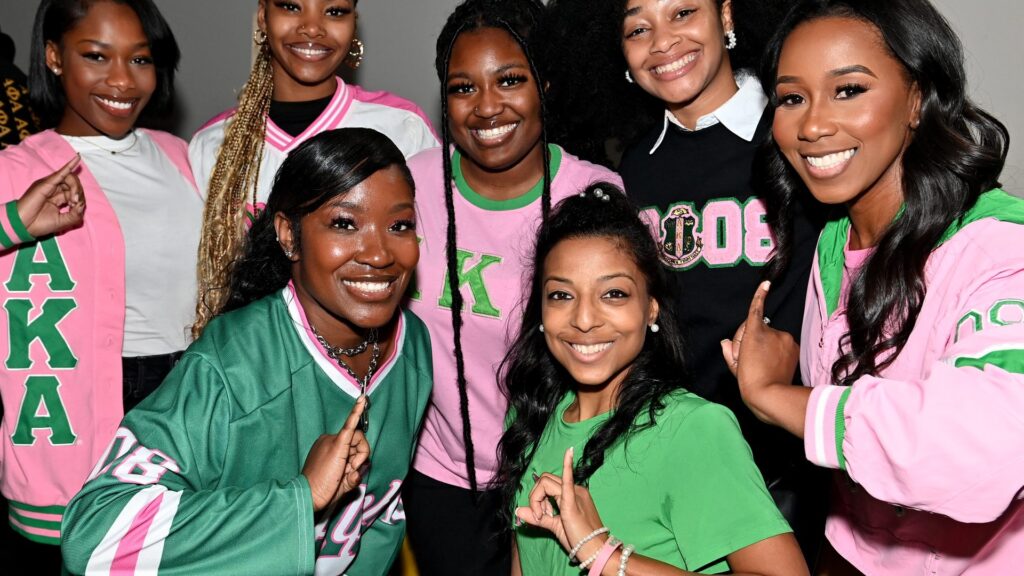
When Trick Daddy hit the stage at the 73rd Alpha Kappa Alpha Sorority, Inc. South Atlantic Regional Conference in Orlando, nobody expected the performance to ignite a firestorm of discussion around respectability politics. His set, infused with the signature bravado and raw energy we’ve come to expect from the Miami rap icon, was abruptly halted mid-performance, triggering an outpouring of opinions across social media about what it means to be respectful and who gets to define that standard.
At first glance, the tension seems to stem from the intersection of hip-hop and the storied traditions of Black Greek Life. Trick Daddy, a legend in his own right, was bringing the Miami sound, laced with humor and honesty. But the audience, largely composed of sorority members who uphold certain cultural values, was taken aback. As supporters and critics weighed in, we found ourselves grappling with deeper questions about how we assert our identities in spaces often dominated by conservative ideals.
This incident shines a spotlight on the ongoing battle within our community: the tension between maintaining cultural authenticity and conforming to established norms of behavior. For some, Trick Daddy’s lyrics and demeanor were viewed as a distraction, an affront to the legacy of the sorority’s founders. But for others, it was a reminder that hip-hop has always been about pushing boundaries, challenging societal norms, and making space for voices that aren’t always welcome at the table.
The uproar also laid bare a key point—our community is far from monolithic. What some see as disrespectful, others may perceive as self-expression. We’ve seen this play out time and again, from artists like Lil’ Kim and Nicki Minaj to the broader conversation around women in hip-hop. It’s essential that we create space for dialogue, recognizing that our differences can coexist and enrich our collective narrative.
Respectability politics have plagued us for far too long. The notion that we must present a polished exterior to be deemed worthy of respect is a trap. Trick Daddy’s performance, halted or not, ultimately serves as a reminder that our authenticity should never be sacrificed at the altar of respectability. It’s in our messiness that we find our truth—and perhaps, that’s the message we need to embrace moving forward. Let’s not shy away from the complexities of who we are; instead, let’s celebrate the full spectrum of our culture.
From The Source

About The Author