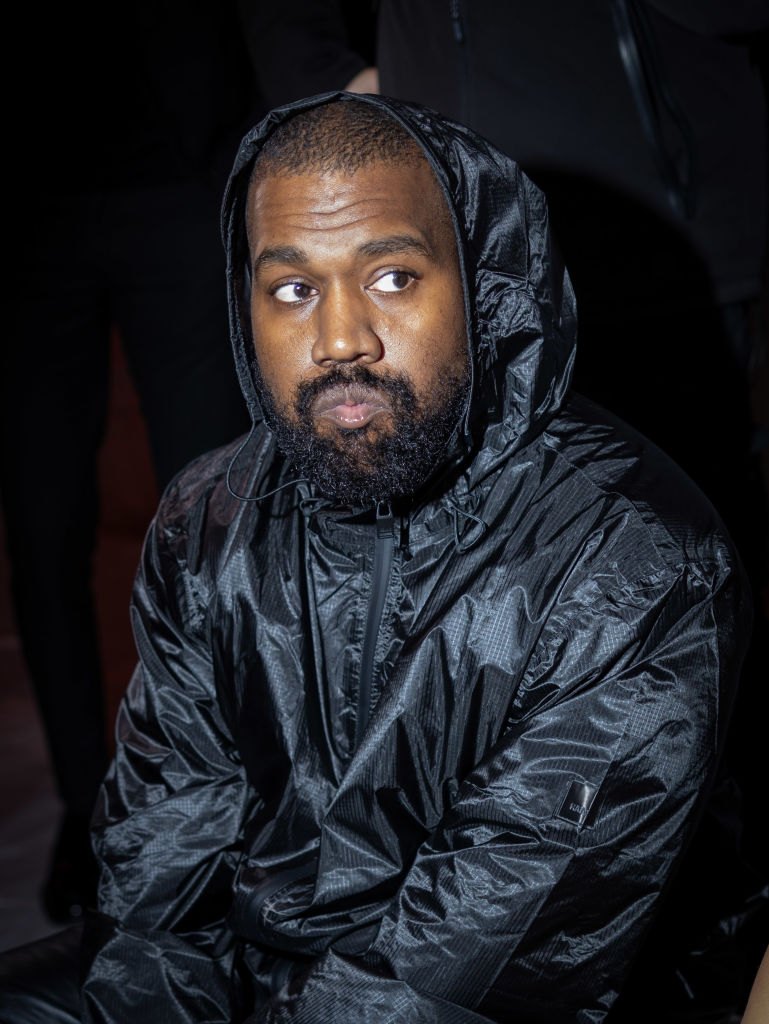
You ever feel like you’re living in one of those wild, unpredictable movies? Just when we thought we had seen it all, the news drops that Wireless Festival is canceled because the UK government denied entry to Kanye West, aka Ye. Yeah, the same Ye who’s been at the center of controversy for his antisemitic remarks. This move has sparked a whirlwind of conversations about free speech, cancel culture, and the responsibilities that come with being an artist in the spotlight.
For a festival that prides itself on celebrating Black culture and music, the cancellation feels like a punch in the gut. We were hyped to see some of our favorite artists unite on that stage, and now we’re left with the echoes of what could have been. The decision to bar Ye from entering the country has raised eyebrows, with many questioning whether there was a lack of proper vetting in the first place. It’s almost like the UK authorities are playing a game of musical chairs, and we’re all left standing when the music stops.
Let’s keep it real—Kanye’s been controversial for a hot minute, and his recent statements have had real-world consequences. But does that justify a full festival cancellation? It’s a complex issue that digs deep into artistic freedom, accountability, and the impact of our words. We’re not just talking about one person; we’re discussing how the landscape of music and culture is shifting, and sometimes it feels like we’re being caught in the crossfire.
And it’s not just about Ye. This situation forces us to reflect on the narratives we elevate and the conversations we choose to ignore. Where do we draw the line between supporting an artist we love and standing against harmful rhetoric? Our community has always been the backbone of cultural movements, and now we have to wrestle with the implications of canceling someone who once was a voice for our struggles.
As we process this news, we can’t ignore the broader implications for our culture and the industry that shapes it. The voices of our artists carry weight, and with that comes the responsibility to uplift without harm. The cancellation of Wireless Festival may have been a decision made in the name of principles, but we must also consider the impact on the community that was ready to celebrate. Let’s keep the dialogue open and honest—because in this game, silence is never an option.
From The Source
About The Author