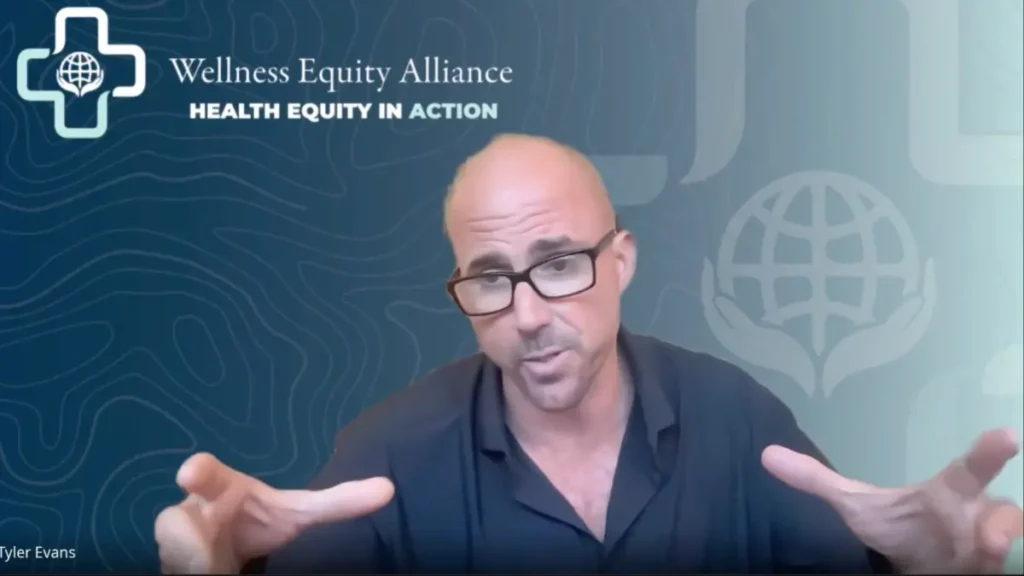
A fatal outbreak of a rare strain of hantavirus that started on a cruise ship traveling around South America in April has raised alarms across the United States. As patients are quarantined, fear and confusion grip communities already on edge from the ongoing threat of infectious diseases. Compounding the situation, a fast-spreading Ebola outbreak in Africa serves as a stark reminder of how quickly these viruses can escalate into global health crises. To navigate this alarming landscape, we spoke with an infectious disease expert who provided crucial insights into what Americans should understand about these health threats.
The hantavirus, while rare, has shown a troubling capacity to cause serious illness and even death. Its transmission is primarily linked to contact with infected rodent droppings, urine, or saliva, making awareness and preventive measures critical. Our expert emphasized the importance of avoiding contact with rodent habitats, particularly in areas where the virus has been reported. As for the Ebola outbreak, the expert pointed out that vigilance is vital. While the risk of an Ebola outbreak spreading widely in the U.S. is currently low, the interconnectedness of our world means that we cannot afford to be complacent.
As Americans, it is essential to stay informed and prepared. The global health landscape is in constant flux, and diseases that seem distant can quickly become local concerns. The expert advises following updates from reliable health sources and taking preventive actions seriously, such as vaccinations, if available, and practicing good hygiene. In a world where outbreaks can emerge from the unlikeliest places, understanding the risks and responding appropriately is our best defense against these invisible threats.
About The Author