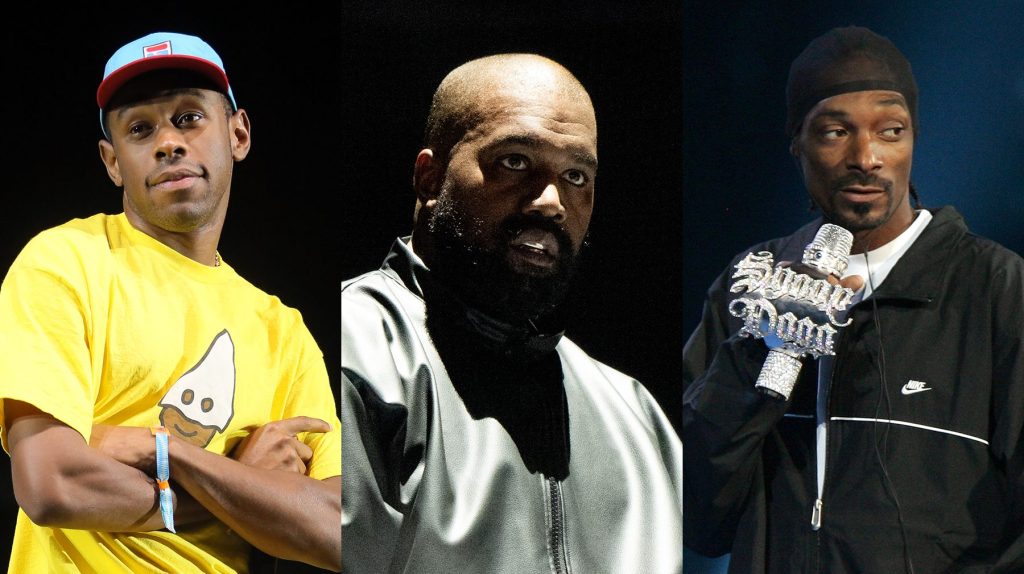
Imagine rolling up to the airport, ready to spread your art and culture across new horizons, only to be told you can’t step foot in the country. This has become a common chapter in the lives of many of our favorite artists, and it’s a reminder of the systemic barriers that can stifle Black creativity and expression. Yes, we’re talking about the likes of Ye, Snoop Dogg, and others who’ve been denied entry into the U.K. It’s more than just a travel ban; it’s a reflection of the complexities that come with fame, identity, and the politics of nationality.
Ye has had his fair share of headlines, and not all of them have been in his favor. A controversial figure with a groundbreaking career, he’s faced his own roadblocks when trying to cross the pond. The U.K. has a history of shutting out artists who they perceive as problematic or too disruptive to the status quo, but let’s be real—who defines what’s problematic? For many of us, these artists are voices of a generation, and their contributions can’t be boxed into neat categories. They challenge norms, push boundaries, and sometimes, they push back against institutions that seek to silence them.
Snoop Dogg, the legendary West Coast rapper and cultural icon, has also found himself on the wrong side of U.K. border control. For a man whose music has transcended generations, being denied entry is ironic. Snoop is a figure who embodies the essence of hip-hop’s influence—his sound, style, and spirit have shaped mainstream culture. Yet, the powers that be have seen fit to label him a “threat.” It makes us wonder just whose interests are being served when our artists are sent packing.
This isn’t an isolated incident; it’s a pattern that stretches across the music industry. Artists from various backgrounds have faced similar fates, often subjected to the whims of a system that can be capricious at best and outright discriminatory at worst. It raises important questions about who gets to be heard and who has the privilege of sharing their art on international stages. In a world where cultural exchange should flourish, it’s disheartening to see barriers erected in front of those who are merely trying to connect through their gifts.
As we reflect on the stories of these artists, we must also recognize the wider implications. When our voices are marginalized or silenced, it’s not just the artists who lose; it’s our community as a whole. Every time an artist is denied entry, it’s an opportunity lost for cultural connection and understanding. We should stand up for our voices and push back against these unjust restrictions. After all, hip-hop is about breaking down walls, not building them up. So let’s keep pushing, keep creating, and ensure our narratives are heard loud and clear, no matter the borders that try to keep us out.
About The Author