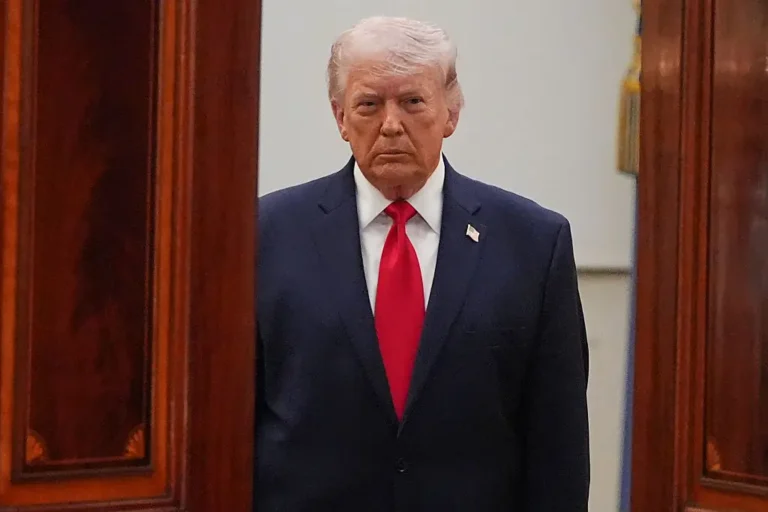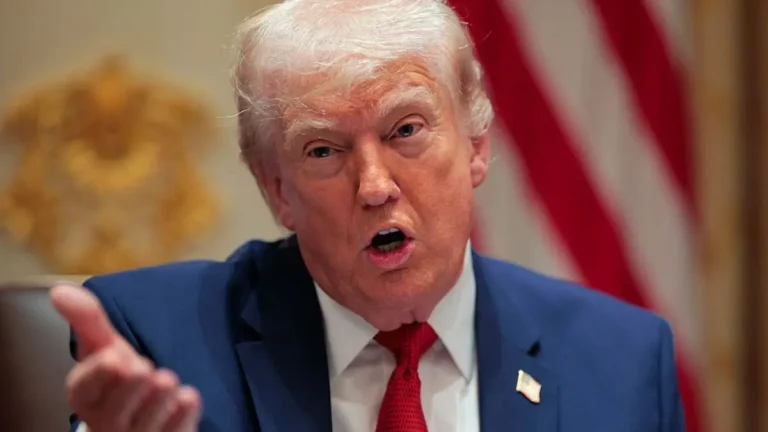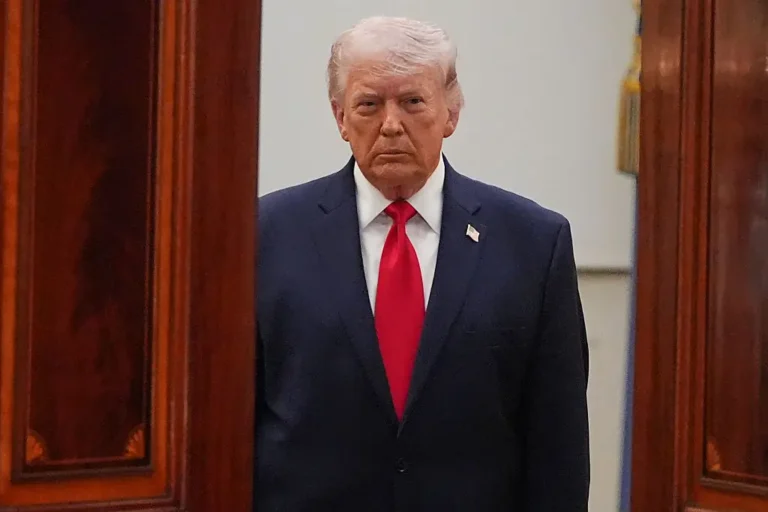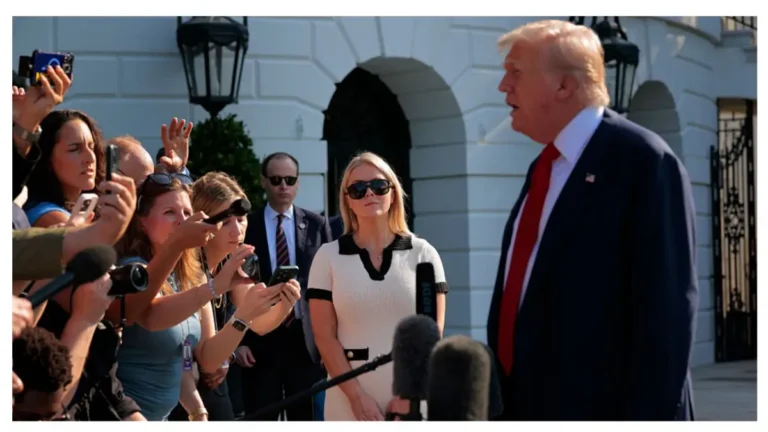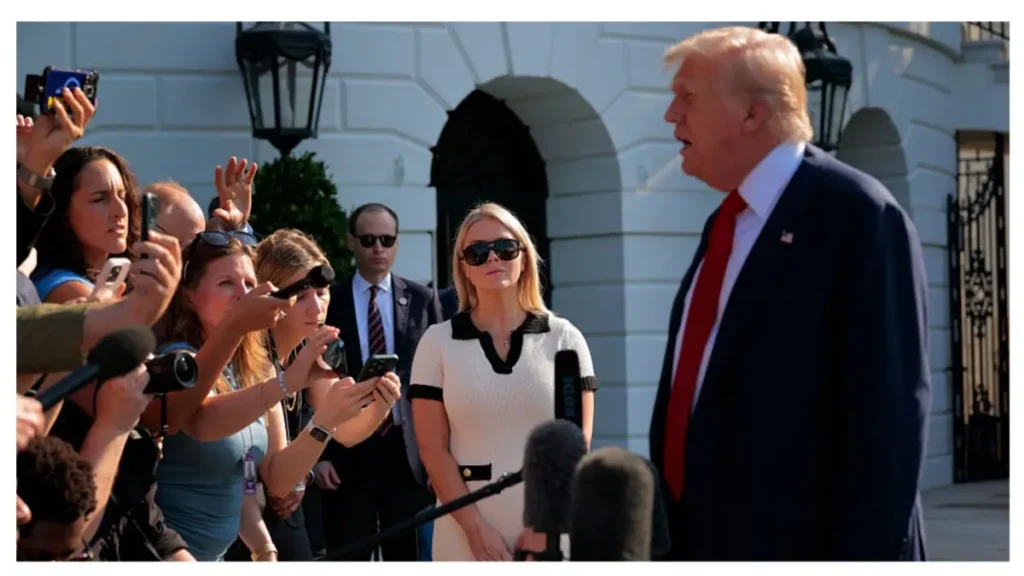
In a striking display of frustration, former President Donald Trump recently lashed out at Karoline Leavitt, a rising star in the Republican Party, whom he accused of mismanagement. The phrase ‘You’re doing a terrible job!’ resonated beyond the walls of his rallies, reflecting a palpable tension within the GOP’s ranks as the 2024 campaign season heats up. While Trump has often brushed aside concerns about approval ratings, this public rebuke indicates a deeper unease within his inner circle and the party at large. It seems that the underlying challenges Trump faces—rising discontent among certain voter bases and mounting competition from opponents—are creating a perfect storm that even he cannot ignore.
Leavitt, who has garnered attention for her youthful energy and alignment with Trump’s MAGA agenda, finds herself at the crossroads of a party grappling with its identity. Her recent initiatives and communications strategies have not landed as favorably as planned, raising eyebrows and concerns among party elders about her capacity to rally the base. Trump’s comments suggest a growing impatience with those he deems responsible for overseeing his public image and campaign messaging. For a leader who thrives on adulation and consistent support, such discord is a red flag that could derail his ambitions.
The situation behind the scenes appears more tumultuous than the public eye can perceive. Reports indicate that the Trump camp is rife with dissent, with advisors questioning each other’s loyalty and effectiveness. As primary challengers emerge and polling trends shift, the former president’s confidence appears to be wavering. His characteristic bravado may mask a more profound anxiety about maintaining his grip on the party as new faces and voices advocate for a broader, more inclusive vision—one that may not revolve solely around his personality.
In a political age marked by divisiveness, Trump’s frequent need to scapegoat others highlights a broader trend of intra-party friction that could undermine his bid for a return to the White House. As the landscape rapidly evolves, the consequences of his public outbursts on Leavitt and others could reverberate throughout the Republican Party, impacting not just the presidential race but local elections and congressional dynamics as well. In this charged environment, Leavitt’s response—and Trump’s subsequent management of this fallout—will be telling indicators of how effectively the party can navigate its internal struggles while presenting a united front to the electorate.
As we observe these developments, it’s important to remember that the political narrative is often shaped by the voices of those marginalized in the conversation. From the rise of grassroots movements advocating for more equitable representation to the critical engagement of Black voters whose interests are frequently sidelined, the direction of the GOP will undoubtedly reflect the broader societal shifts occurring within America. The stakes are high, and the outcomes still uncertain, but one thing is clear: the dynamics within the Republican Party are changing, and how Trump adapts—or fails to adapt—will significantly impact his political legacy.
About The Author