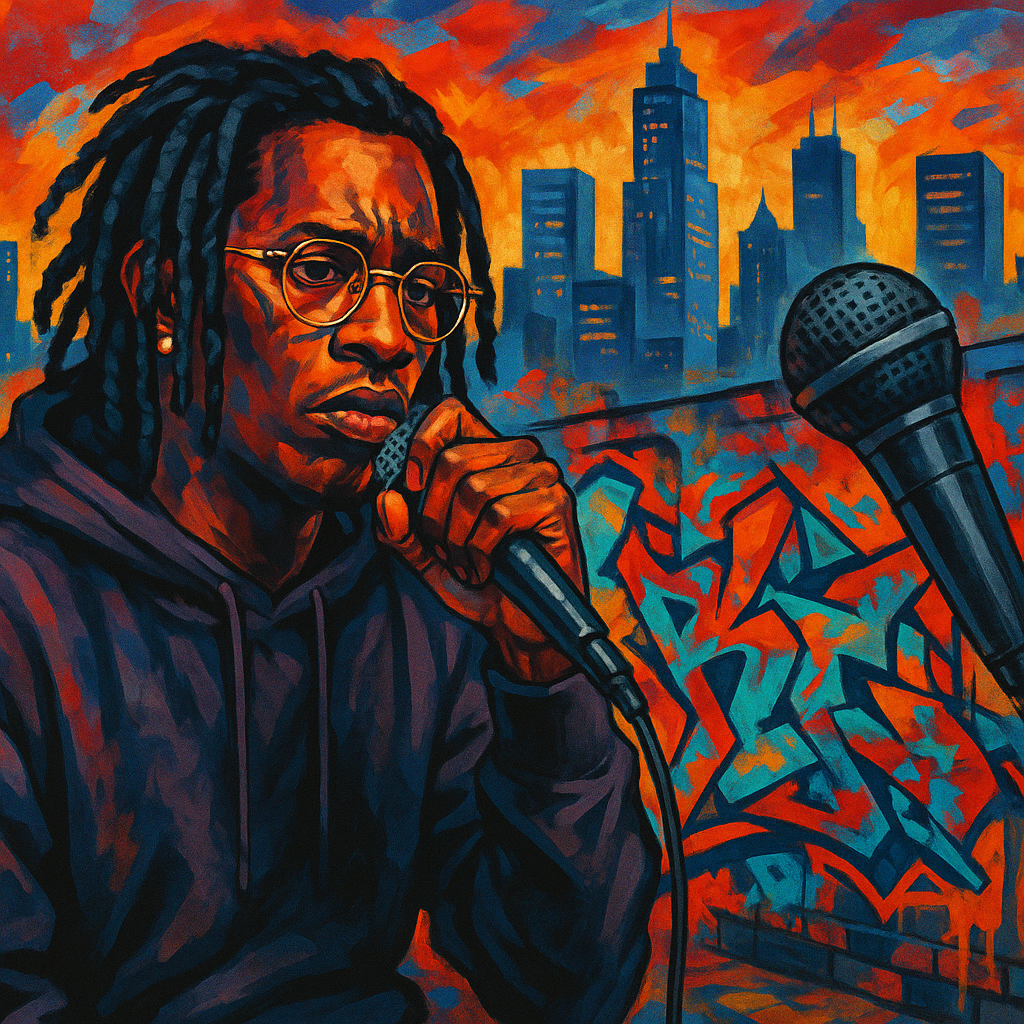
We’ve seen it time and time again: the legal system’s complicated relationship with art, particularly when it comes to our culture. The recent ruling in the Young Thug trial, which conditionally allows rap lyrics to be used as evidence against him, is another glaring example of this troubling trend. This isn’t just about one artist; it’s about how our entire community’s creativity is under fire.
For those who don’t know, Young Thug, born Jeffery Williams, is facing serious charges in a high-profile case that’s made waves across the nation. The judge’s decision to permit his lyrics as potential evidence raises eyebrows and questions. Why are we still treating our art as confessional statements instead of the expressive storytelling that it truly is? When did the courtroom become the stage for our narratives?
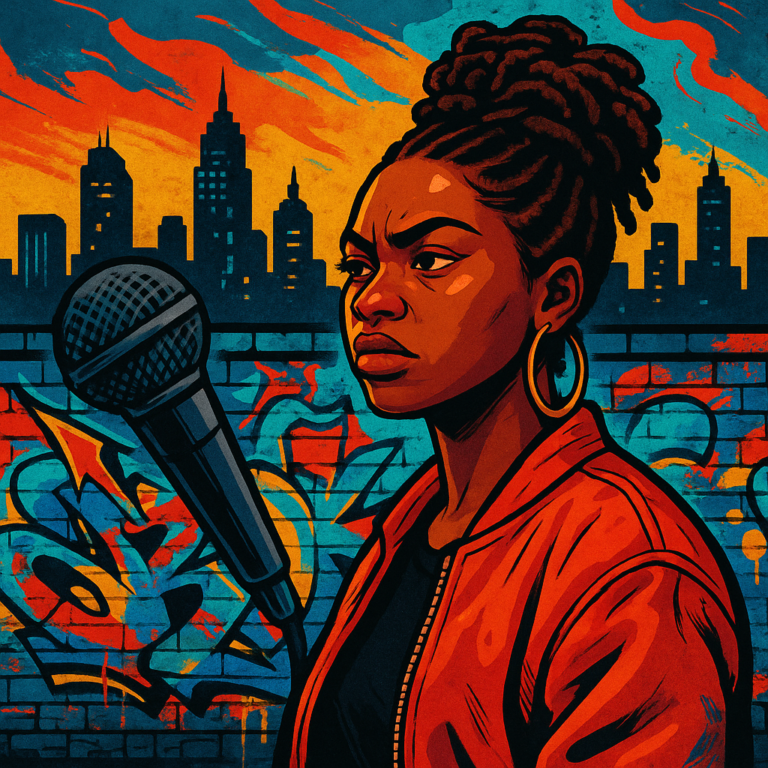
Rap has always been a powerful tool for expression, reflecting our struggles, triumphs, and realities. From the gritty streets to the global stage, we’ve built an empire on storytelling that resonates deeply with our experiences. Yet, here we are, grappling with a justice system that seeks to weaponize our words rather than understand them. This ruling sets a dangerous precedent; it’s a fine line between artistic expression and self-incrimination, and we must ask ourselves who benefits from this dichotomy.
As our community continues to navigate the harsh realities of systemic racism and inequality, we must stand united in defense of our culture. Artists like Young Thug should be celebrated, not vilified for their contributions to the conversation. We must advocate for the recognition of rap as a legitimate art form — one that should be protected, not scrutinized in court. The implications of this ruling extend beyond Young Thug; it affects every artist who dares to speak their truth through their craft.
Let’s not forget the history of music being used as a weapon against us. We’ve fought for our narratives to be heard, only to find them being twisted and used against us in the very spaces we seek justice. This is a wake-up call for our community to protect our art, our freedom, and our voices. If we don’t advocate for our creators, who will?
As we reflect on this ruling, let’s remember: our words hold power, and they deserve to be honored, not judged. In the battle for artistic freedom, let’s make sure we’re on the right side of history.
About The Author