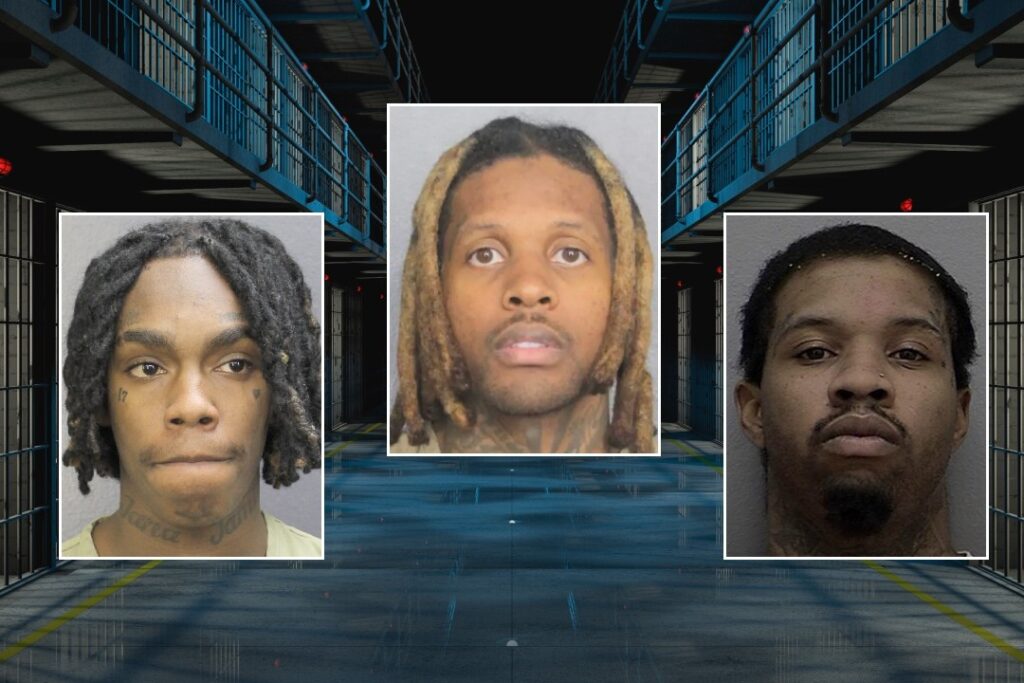
In a world where the beats hit hard and the lyrics tell our stories, it’s both shocking and heartbreaking to see so many of our artists behind bars. The fame and fortune that come with being a rapper can quickly turn into a double-edged sword, slicing through the very fabric of our community. Right now, 25 rappers are incarcerated, their voices muted by the walls of confinement, and their potential stifled by a system that often fails to understand their struggle. We can’t ignore the implications of this reality, which force us to confront the intersection of artistry and the justice system.
From the streets they rise, telling tales that resonate with our lived experiences, yet many find themselves ensnared in legal troubles that often reflect the harsh realities of their environments. Take a moment to consider the journeys of these artists; their paths interwoven with systemic issues — poverty, violence, and a relentless fight for survival. While their music captures the essence of resilience, the same could be said for the battles they face outside the studio. Behind each name on that list is a narrative that speaks to the struggles we witness daily, a reminder that the fight for justice extends beyond the mic.
The question we have to ask ourselves is, how did we get here? How did these talented voices end up being silenced while their art endures? The narrative often shifts when it comes to the criminalization of Black men, especially those in the entertainment industry. We see their moments of glory overshadowed by headlines that reduce their lives to mere statistics of crime and punishment. It’s frustrating to watch as the media capitalizes on their downfalls while neglecting the broader context of systemic oppression that perpetuates cycles of incarceration.
Moreover, the stigma attached to these artists can carry over into our communities, influencing the way we view success and failure. We lift each other up and share in the triumphs, but when it comes to our fallen stars, there’s a tendency to shy away from supporting them during their darkest hours. Instead of engaging in discussions about rehabilitation and second chances, we often dive deep into sensationalism, forgetting that these are human beings with dreams and aspirations. It’s essential for us to cultivate a culture of empathy and support, recognizing the humanity in every story that emerges from behind bars.
As we reflect on the plight of these rappers, we must commit to understanding the complexities of their situations. This isn’t just about music or celebrity; it’s about the heart and soul of our community. When we talk about these artists, we’re talking about our brothers, our cousins, our friends. The impact of their incarceration reverberates through our neighborhoods, shaping perceptions and influencing the next generation. We must advocate for change not only in the legal system but also within our own narratives — lifting each other up instead of tearing each other down. Our culture is rich with stories of resilience; let’s not let the bars define who we are or who we aim to be.
About The Author