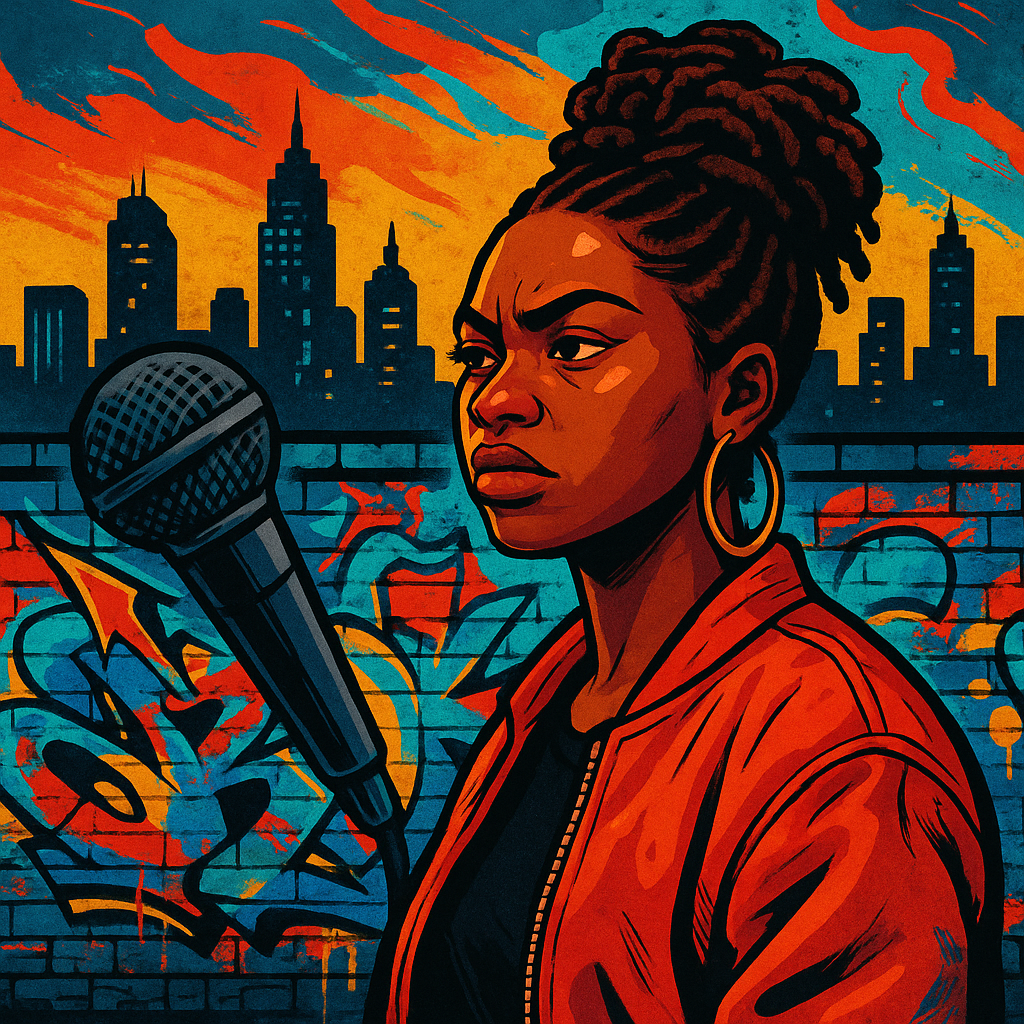
In the vibrant world of hip-hop, where beats drop and bars ignite passion, there’s a haunting undercurrent that often goes unaddressed: misogyny. For too long, we’ve watched Black women navigate a space that should uplift and celebrate their voices, only to find themselves dodging bullets of disrespect and objectification. The conversation around this topic isn’t new, but it’s time we take a deeper look at the minefield our sisters have had to traverse.
Let’s be real: the industry has a long history of glorifying hyper-masculinity while relegating Black women to the sidelines. We’ve seen it in lyrics, music videos, and even award shows that reward the same tired tropes. The archetype of the “ride-or-die” or the “video vixen” persists, reducing our queens to mere props in a male-dominated narrative. From the iconic moments of MC Lyte and Queen Latifah to the fierce presence of Nicki Minaj and Cardi B, Black women in hip-hop have fought tirelessly to own their narratives. Yet, the struggle continues, and it’s exhausting.
A recent commentary highlighted how deeply entrenched misogyny has become in our beloved genre. As we dissect this reality, we must also uplift those who are pushing back against harmful stereotypes. Artists like Megan Thee Stallion and Rapsody are not just adding their voices; they are redefining what it means to be a woman in hip-hop, challenging the norms and demanding respect. Still, it’s a tough road. The backlash against these artists is a stark reminder that society is often not ready to hear powerful female voices, especially when they challenge the status quo.
It’s crucial for us to support our sisters in this industry. The burden of sexism isn’t just a women’s issue; it’s a community issue. When we uplift Black women, we uplift our entire culture. It’s about creating an environment where young girls can dream of being artists without the fear of being devalued or objectified. We need to confront the misogyny embedded in our music and advocate for a space where every artist, regardless of gender, can thrive.
As we continue to celebrate hip-hop, let’s commit to being allies in the fight for equality. Let’s call out misogyny when we see it and hold our favorite artists accountable. The future of hip-hop depends on it, and so does the dignity of our community. When we uplift Black women in hip-hop, we’re not just changing the narrative; we’re shaping the future. Let’s make sure that future is one where respect is the norm, not the exception.
About The Author