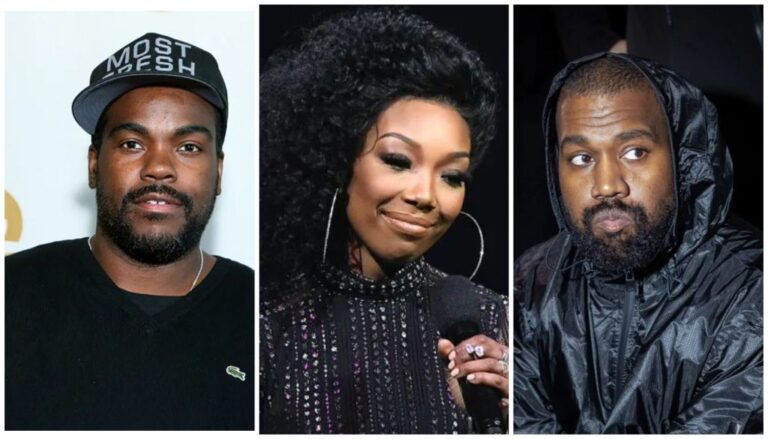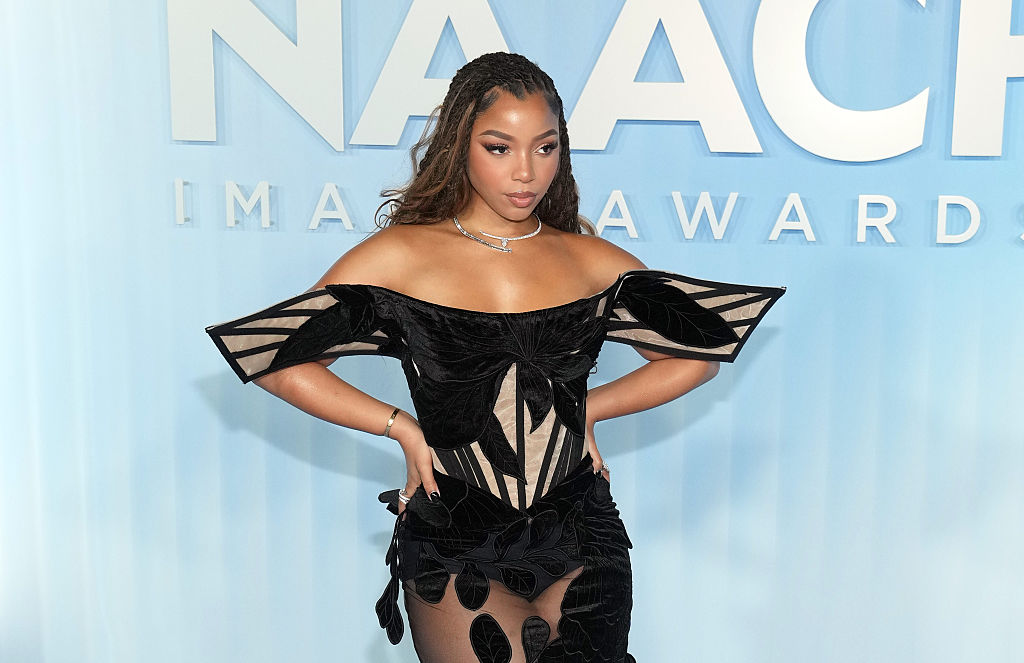
When news broke that Chlöe Bailey was spotted at Kanye West’s comeback concert, the social media storm was immediate. Critics emerged from every corner, armed with hashtags and opinions, questioning her decision to support an artist whose past comments have been deeply hurtful to many. For some, it was about holding artists accountable; for others, it felt like a betrayal of values. But is it fair to place the full weight of Kanye’s controversy on Chlöe, especially when we consider the complexities of our relationship with the music that shapes our culture?
Chlöe is no stranger to scrutiny. With her powerful vocal talent and strong stage presence, she’s carved out her own lane in an industry that often attempts to pigeonhole Black women. Yet her collaboration with Chris Brown—a figure mired in his own controversies—only added fuel to the fire. Some argue that her attendance at Kanye’s concert mirrors a troubling trend of overlooking problematic behavior when it comes to big names in the industry. We can’t ignore the layered conversations around accountability, but is there space for nuance in our critiques?
During the concert, Chlöe took to social media, brushing off the backlash with an Easter message of love and forgiveness. It’s a bold move in an age where everyone seems eager to dismantle each other. Her emphasis on compassion raises important questions about how we navigate our admiration for artists while grappling with their flaws. Are we willing to embrace the idea that people can grow, change, and even redeem themselves? Or do we write them off entirely, leaving no room for forgiveness?
As our community reflects on these issues, we have to ask ourselves: How much do we hold artists accountable for their actions? Is it possible to appreciate their contributions to our culture while also demanding better from them? The conversation is messy, filled with grey areas that require careful consideration. Artists like Chlöe Bailey are more than just entertainers; they’re human beings who are navigating this complex landscape alongside us.
It’s easy to point fingers and unleash criticism, but as we wade through these discussions, let’s remember that our voices matter too. We shape the narrative of who gets second chances and who doesn’t. As Chlöe advocates for love, let’s also advocate for the critical conversations that spark growth within our community. Because at the end of the day, we’re all in this together, trying to find our way through the noise.
About The Author