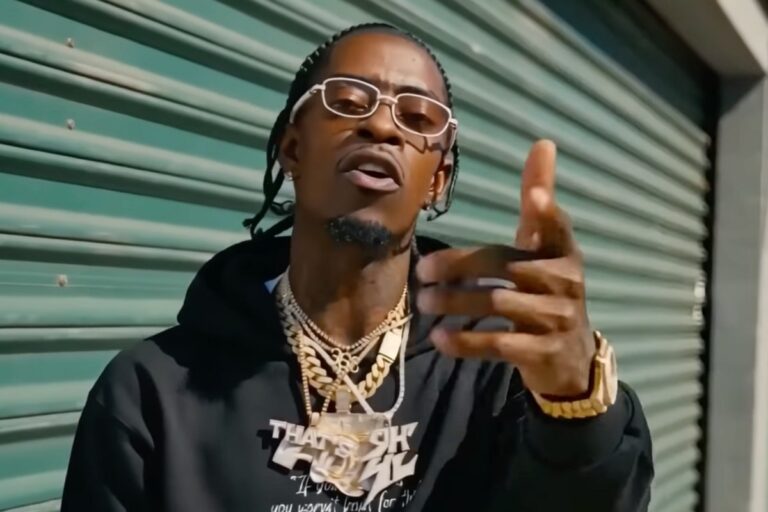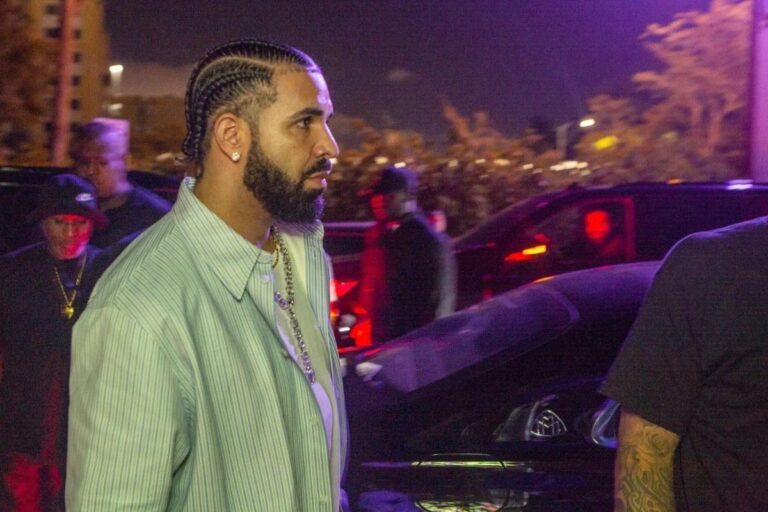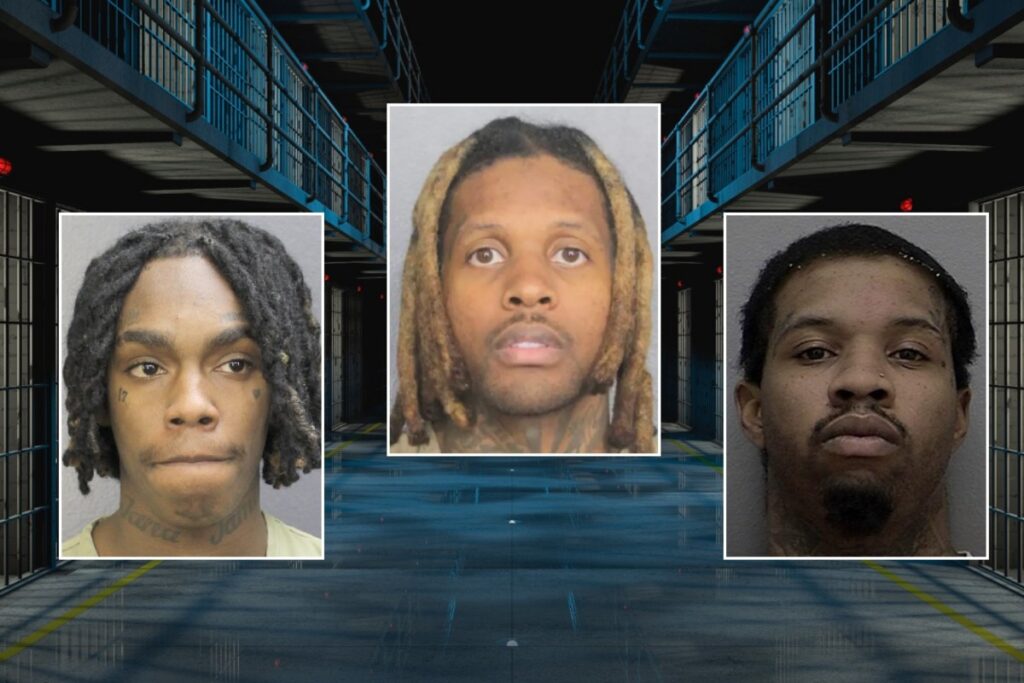
The intersection of hip-hop and the criminal justice system has always been a complex and often troubling narrative. Right now, 25 rappers find themselves behind bars, a stark reminder of the ongoing challenges many artists face beyond their music. Some have been caught up in legal issues stemming from their personal choices, while others have been ensnared by a system that often seems to target Black men disproportionately. It’s a harsh reality, one that not only impacts their careers but also reverberates throughout their communities.
For many of these artists, their struggles with the law are not just personal but emblematic of deeper societal issues. From systemic injustice to the temptation of street life, the pressures of fame can often lead them down a darker path. While hip-hop has historically been a voice for the marginalized, it can also be a double-edged sword, where the very stories that elevate them can also be the ones that imprison them. It’s heartbreaking to see talent wasted, especially when the narratives they tell in their music often reflect a desire for change and growth.
As fans, we can’t ignore the stories behind the headlines. Each rapper’s situation tells us something about the world they inhabit, the struggles they face, and the choices they make. Despite the glamour associated with hip-hop culture, the harsh realities remain that many artists grapple with their pasts and the legacy of systemic inequality. Their legal troubles are not just failures of individual judgment but reminders of a larger societal framework that often fails to protect and uplift.
Ultimately, the lives of these rappers in jail or prison serve as cautionary tales and call for introspection within the hip-hop community. It’s crucial to acknowledge their artistry while recognizing the systemic challenges that haunt them. We can celebrate their contributions to the culture while advocating for justice reform and supporting initiatives that uplift those trapped in cycles of violence and incarceration. As hip-hop continues to evolve, so must our understanding of the issues that plague its artists, ensuring that their voices are not silenced but amplified, even in the darkest of times.
About The Author