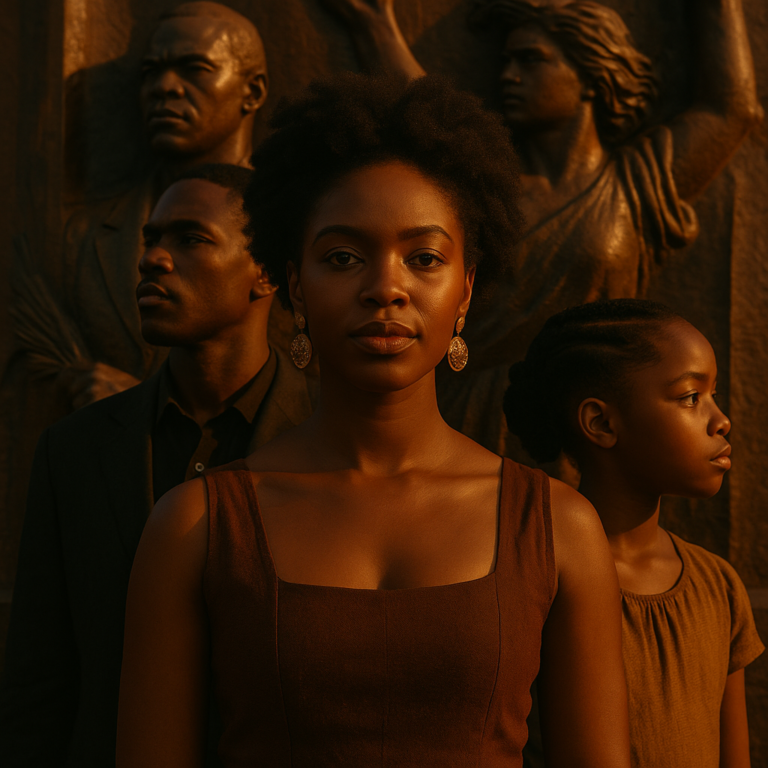
When we think about the entertainment industry, we often see a vibrant tapestry of talent, culture, and creativity that has shaped our identity as a people. Yet, lurking behind that brilliance is a shadow that we can’t ignore: the insidious history of blackface. ‘Darkology’ emerges as a powerful lens through which we confront this painful legacy, challenging us to reckon with the past while embracing our cultural triumphs.
This documentary doesn’t pull any punches. It dives deep into the origins of blackface, tracing its roots from minstrel shows that degraded our ancestors to modern-day performances that continue to echo those harmful stereotypes. We see how the entertainment industry has used our image as a commodity while simultaneously stripping away our humanity. The film invites us to reflect on how these portrayals have permeated not just film and theater, but also the broader cultural landscape, influencing perceptions of Black people across generations.
As we engage with this narrative, we can’t help but ask ourselves: how do we balance our love for the art with the history that surrounds it? ‘Darkology’ doesn’t shy away from the uncomfortable questions. It sparks dialogue about accountability and the power of representation. Through interviews with historians, artists, and activists, we hear the urgency in their voices as they remind us that our stories have been co-opted for too long. This is a call for our community to reclaim that narrative, to tell our stories authentically and unapologetically.
The film doesn’t just dwell in the past; it also looks toward the future. It champions artists who are breaking away from the damaging narratives and creating work that honors our culture, our experiences, and our complexities. This reclamation is vital, as it not only enriches the fabric of entertainment but also empowers our youth to see themselves as authors of their own stories.
As we absorb the lessons of ‘Darkology’, we realize that this fight against representation is ongoing. It’s a reminder that entertainment is a reflection of society and that we hold the power to shape that reflection. We must continue to push for authenticity and truth in every performance, every story, and every song. We owe it to ourselves, to our ancestors, and to future generations to keep the conversation alive. Because when we confront our history, we don’t just unmask the past — we illuminate the path forward.
About The Author