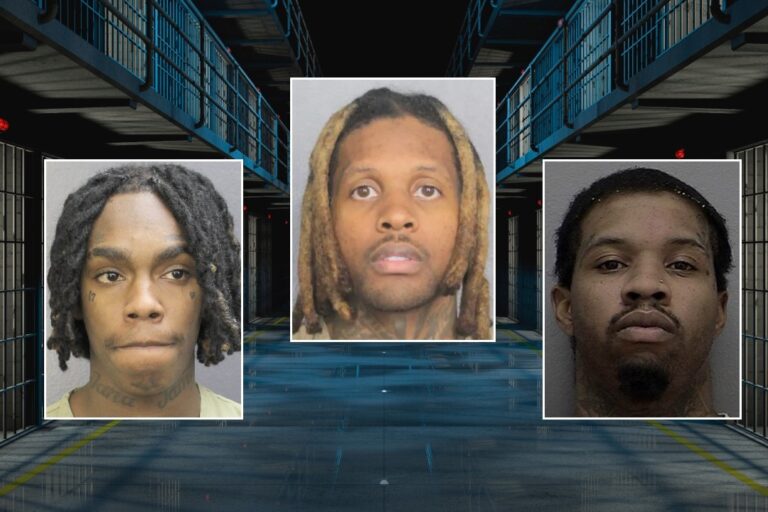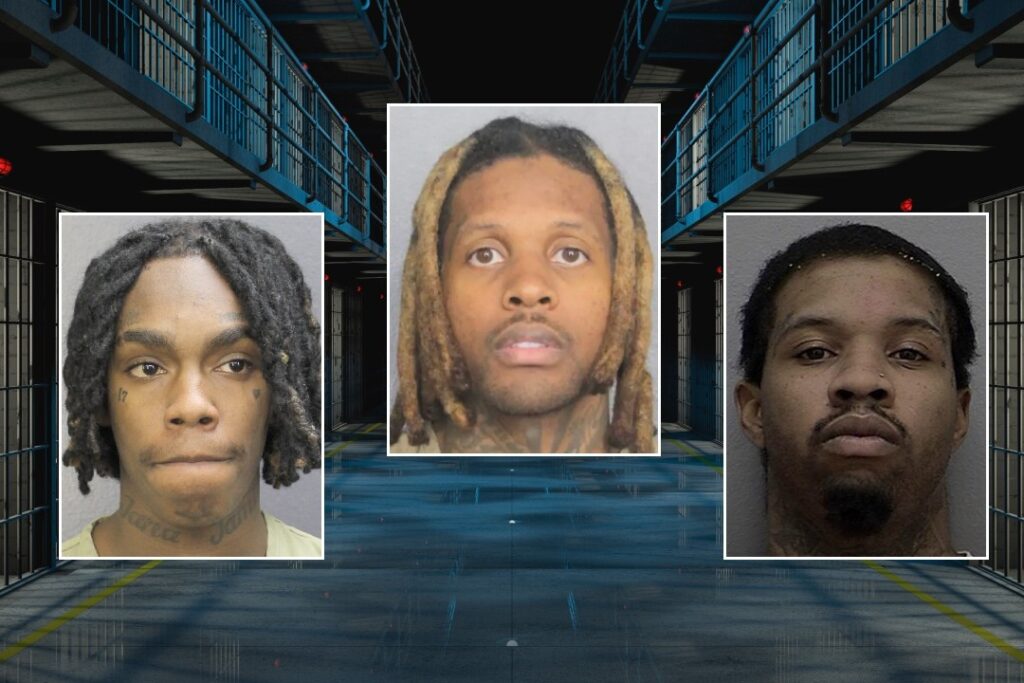
When we look at the landscape of hip hop, it’s impossible to ignore the dark reality that many of our favorite artists are currently facing time behind bars. The statistics are staggering; right now, there are 25 rappers who are either in jail or prison, caught up in a system that often seems designed to break us down. This isn’t just a story of crime and punishment; it’s a reflection of the struggles and systemic issues that plague our communities. From the streets that birthed their rhymes to the courtrooms that strip them of their freedom, the narratives are complex, and the stakes are high.
Take a moment to consider the lives of these artists before headlines and mugshots. Each one of them carries a story steeped in adversity, often marked by poverty, violence, and the pursuit of success against the odds. They’ve fought tooth and nail to carve out a space in a world that has historically marginalized Black voices. Yet, the moment they step outside those boundaries, the system is quick to remind them of their place. From gun charges to drug offenses, the charges are as diverse as their styles, but the undercurrent remains the same: the law seems to target those who dare to rise.
For many, their music serves as a lifeline, a chance to escape the cycle of incarceration that has ensnared so many in our community. These artists tell stories that resonate deeply with their fans, echoing our own struggles and triumphs. Yet, as they navigate the spotlight, they also face the harsh realities of life that come with it. Whether it’s a reckless moment that spirals out of control or the fallout from past decisions, the streets have a way of calling them back, often with devastating consequences.
It’s not just about the individual mistakes; it’s about how the systemic issues intertwine with personal choices. Behind every arrest, there’s a narrative woven into the fabric of our community — one that speaks to the need for reform, understanding, and compassion. The justice system doesn’t just punish; it disrupts families, shatters dreams, and perpetuates a cycle that’s hard to escape. As we watch our artists face these battles, it’s crucial that we also confront the larger problems that allow such a cycle to persist.
So as we reflect on the plight of these rappers, let’s remember that their stories are emblematic of a struggle that’s larger than music. They echo the realities faced by countless individuals within our communities, and they remind us of the urgency of change. We should support their artistry while also amplifying the conversations around justice reform. At the end of the day, it’s about reclaiming our narratives and ensuring that the next generation of artists doesn’t have to walk the same path. We owe it to ourselves to fight for a future where our voices are heard, unchained and undeniably free.
About The Author