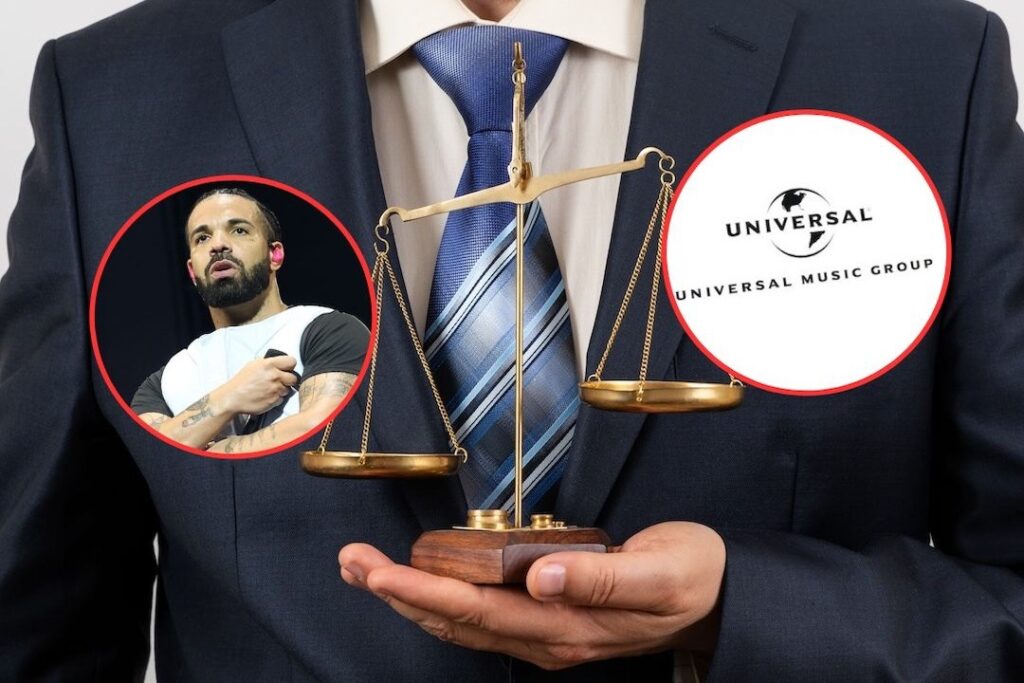
In a world where hip hop often dances on a tightrope between creativity and legality, the recent support from Yale’s legal scholars for Universal Music Group (UMG) in the Drake ‘Not Like Us’ dispute is another reminder of the battles our artists face just to express themselves. This isn’t just a case about a catchy beat or clever bars; it’s about ownership, respect, and the power dynamics that shape our sound. For those who don’t know, the legal tussle centers around whether Drake’s track borrows enough from another artist’s work to warrant a claim of infringement. As we dive into this complex web, we have to ask ourselves: who gets to claim our culture?
Drake isn’t just any artist; he’s a cultural juggernaut who reflects the pulse of our community. With his ability to blend genres and transcend boundaries, he represents a generation that defies traditional labels. Yet here we are, watching as legal scholars dissect his artistry in a quest to determine ownership of creative expression. Yale’s involvement adds a layer of scholarly prestige, and it’s important that we pay attention because this isn’t just about one song—it’s about how our culture is perceived and protected in the eyes of the law.
The support UMG is receiving from these scholars isn’t just a legal maneuver; it’s a statement about the creative spirit inherent in hip hop. These academics understand that our musical legacy has always been rooted in sampling and reinventing. Let’s be real; the essence of hip hop is about flipping what came before us and making it our own. When we see the law stepping in to question that process, it feels like a direct attack on our culture. We’ve witnessed the same struggle countless times—from artists facing legal repercussions for their work to the ongoing fight for more equitable music industry practices.
What’s at stake here goes beyond Drake and UMG; it’s a reflection of the larger challenges Black artists face in an industry that often seeks to monetize and control our creativity. The legal system isn’t always equipped to understand the nuances of our art, which can lead to unjust outcomes that stifle innovation and expression. As we watch this legal drama unfold, we must rally around our artists, advocating for a fairer landscape that celebrates rather than diminishes our contributions.
At the end of the day, this moment serves as a reminder that we need to stay woke about our cultural power. The fight to protect our artistry isn’t just for today—it’s about paving the way for future generations. Let’s be clear: when one of us is under attack, it’s a call to action for all of us. We can’t afford to be passive spectators in this battle for our cultural identity. We’ve got to stand firm, support our artists, and ensure that the world knows that our voices matter.
About The Author