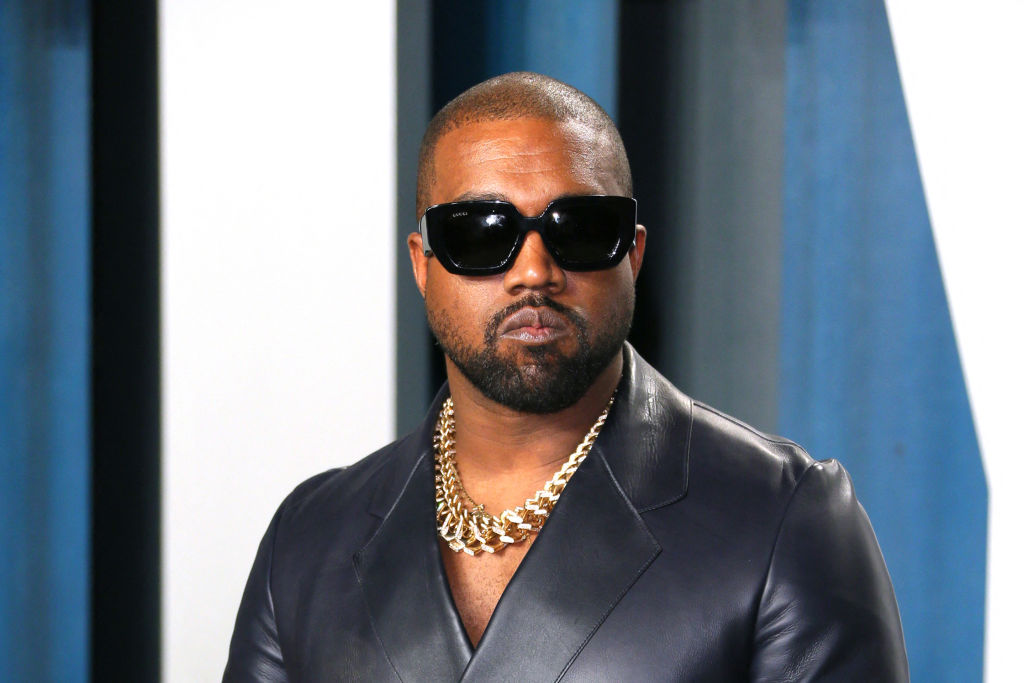
In the latest twist of the saga surrounding Ye, the artist formerly known as Kanye West, the Wireless Festival is feeling the heat after announcing him as the headliner for all three days of this year’s event. The backlash has been swift and loud, as political figures like UK Prime Minister Keir Starmer and London Mayor Sadiq Khan, along with numerous Jewish leaders, have publicly condemned the festival’s decision. This isn’t just a matter of artistic choice; it taps deeply into the complexities of accountability in our cultural landscape.
The festival, known for its vibrant celebration of music and youth culture, now finds itself on shaky ground as major sponsors pull their partnerships in response to the growing outcry. Companies that once proudly displayed their logos at such events are reevaluating where their money goes when a figure like Ye—whose recent comments have sparked serious controversy—takes center stage. This is a powerful message from these corporations that they will not tolerate antisemitism, hate speech, or divisive rhetoric, even if it comes cloaked in celebrity glamour.
It’s a complex issue that raises questions about artistic freedom versus social responsibility. We’ve spent years supporting artists who reflect our culture and struggle, yet when those artists step outside the lines of decency and respect, we have to ask ourselves: how far are we willing to go in our support? While some fans rally behind Ye, insisting that his freedom of expression should protect him from repercussions, there is a significant portion of our community that feels differently. We cannot ignore how words can harm and divide, especially from someone with Ye’s level of influence.
As these sponsorships disappear, it’s clear that the Wireless Festival is being forced to reckon with the impact of their headlining choice. The question remains whether this will serve as a cautionary tale for other festivals and events, pushing them to think more critically about who they choose to uplift. It’s a moment for reflection in the entertainment industry—a reminder that our support carries weight and can lead to real consequences.
At the end of the day, we are responsible not only for the culture we create but also for the messages we amplify. As we watch this unfold, let’s hope it sparks a renewed commitment to elevating voices that uplift rather than harm, because when it comes to our community, we deserve so much better.
From The Source
About The Author