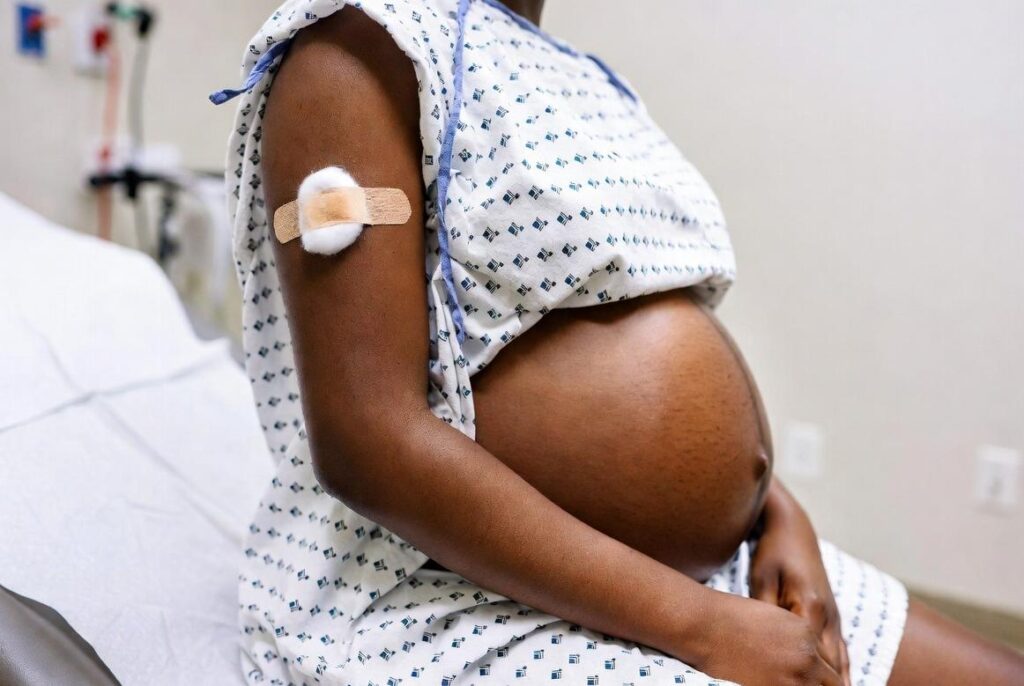
The rise in syphilis cases among expectant mothers is a shocking public health crisis that has been exacerbated since the pandemic began. Syphilis, a sexually transmitted infection caused by the bacteria Treponema pallidum, poses significant risks to pregnant women and their unborn children. When maternal syphilis goes untreated, it can lead to congenital syphilis, a serious condition that can cause severe health complications or even stillbirth. The alarming increase in these cases serves as a wake-up call for healthcare providers and expectant parents alike.
Several factors have contributed to this troubling trend. The COVID-19 pandemic disrupted routine healthcare services, leading to decreased screenings and a rise in untreated infections. Additionally, rising social and economic stressors during this time may have contributed to risky sexual behaviors among vulnerable populations. As individuals faced isolation, the pandemic created an environment where relationships became more transient, and, unfortunately, the likelihood of transmission of STIs, including syphilis, increased.
Addressing this crisis requires urgent attention and action. Public health officials and healthcare providers must prioritize education around sexually transmitted infections and ensure access to prenatal care where screenings can be performed. It is imperative that we break the stigma surrounding STI testing and treatment, especially among pregnant women, to protect the health of both mothers and their children. As the health community mobilizes to combat this alarming rise in syphilis cases, we must remember that prevention and early intervention are key to safeguarding future generations.
About The Author