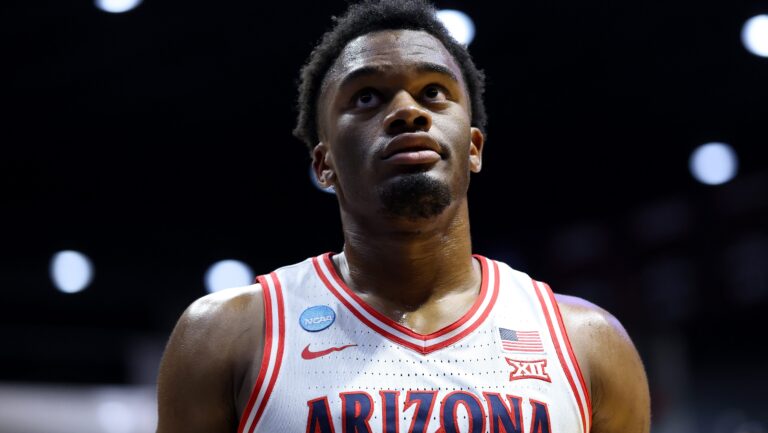
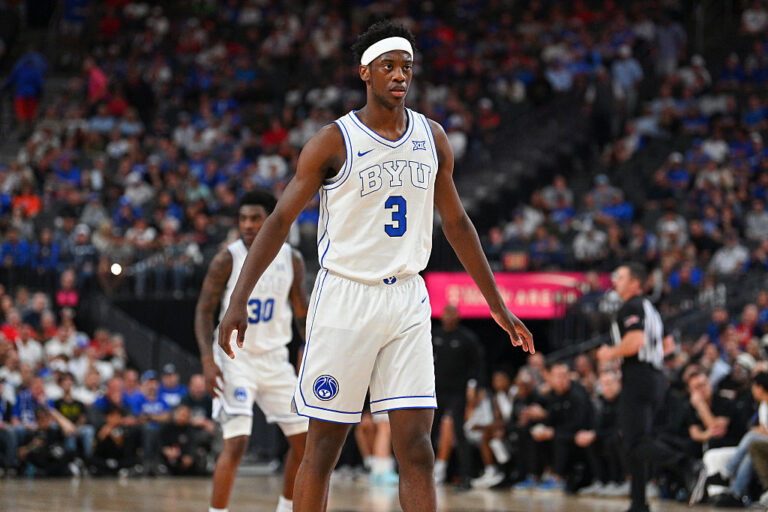
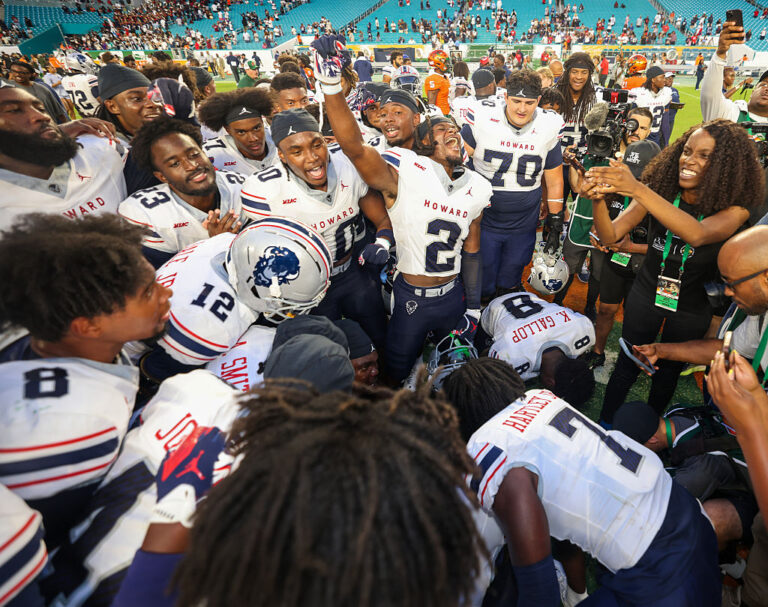
When the NCAA tournament rolls around every March, the basketball world is oversaturated with talent, flair, and the undeniable energy of Black athletes soaring under the bright lights. They break records, dazzle with their skill, and deliver moments that make us leap from our seats with pride. Yet, as we celebrate these individual feats of excellence, it begs the question: where are the Historically Black Colleges and Universities in this story? Why aren’t our institutions getting the shine they deserve on such a grand stage?
Every year, we watch in awe as players from Power Five conferences steal the spotlight, their names echoing in living rooms across the country. It’s a showcase of elite talent, and indeed, these athletes have earned their place. But beneath this spectacle lies a glaring omission. HBCUs, once the nurturing grounds for legends like Earl Monroe and Shaquille O’Neal, have been relegated to the sidelines, overshadowed by a system that often overlooks the foundational institutions of our community. The rich history, the culture, the legacy — it feels like an afterthought in the broader narrative of March Madness.
We have to recognize that HBCUs are not just about basketball. They embody a spirit of resilience and excellence that has produced some of the most influential figures in our history. It’s about more than just winning games; it’s about fostering a sense of pride and identity. When our athletes choose to attend these schools, they’re not just playing for themselves; they’re playing for a community that has been historically marginalized. They’re wearing the names of ancestors on their backs, carrying forward a tradition of empowerment and excellence. Yet, as the bright lights of March Madness shine, the future stars from these institutions remain largely unseen.
We’ve seen recent efforts to elevate HBCU programs, especially with initiatives that aim to change recruiting strategies and strengthen athletic departments. But the question remains: how do we ensure that our young athletes don’t feel the need to forgo their heritage for the allure of larger programs? The talent is undoubtedly there; we see it in the passion and dedication of our players. It’s time for the broader sports community to take notice, to value the legacy of HBCUs and what they represent.
As we cheer for our favorite teams this March, let’s not turn a blind eye to what’s missing from the conversation. The talent of Black athletes is undeniable, but we must also advocate for the institutions that raise them. Let’s push for HBCUs to get the recognition they deserve, not only for the athletes they produce but for the rich cultural fabric they contribute to the sport. It’s time for our community to ensure that our history isn’t just celebrated in the shadows. It’s time to demand that the stage is big enough for all of us, because our stories deserve to be told, loud and clear.
About The Author