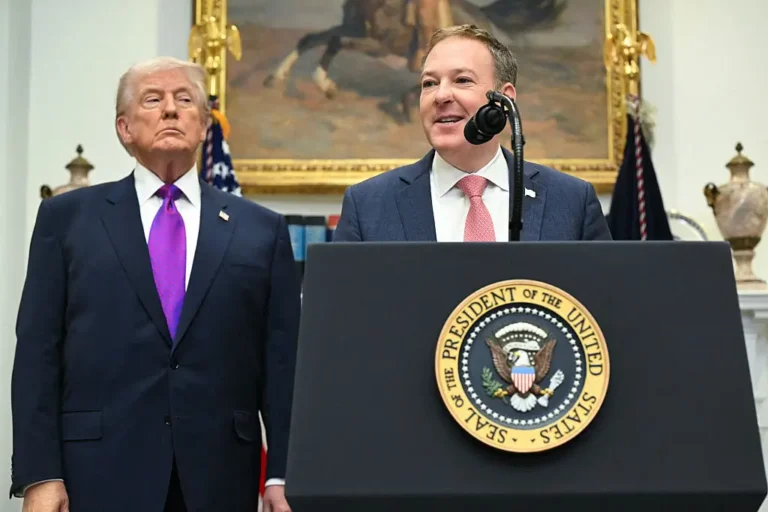
Just when we thought the chaos in American politics couldn’t get any crazier, we find ourselves staring down an unprecedented backlash against Trump’s handling of the U.S.-Iran ceasefire. It’s a moment that’s not just about foreign policy; it’s about leadership, accountability, and the continued struggle for justice and stability in our lives. Black political leaders are stepping up, united in their demand for action, and they’re not holding back.
The reactions are swift and fierce. Figures like Representative Ilhan Omar and former President Barack Obama have voiced their concerns, echoing the sentiment that Trump’s erratic decisions could lead us down a dangerous path. They’re not just criticizing; they’re calling for urgent measures, including the invocation of the 25th Amendment, because let’s face it—this isn’t just about national security, this is about the lives of countless people who could be affected by a thoughtless decision made overnight.
We’ve seen this before, haven’t we? Decisions made from a place of ignorance and arrogance that threaten our very existence. When our leaders fail to act with the wisdom and foresight we need, it doesn’t just affect the political landscape; it ripples through our communities, impacting everything from our safety to our economic stability. As Black Americans, we understand the weight of these moments all too well. The repercussions of these political games are often felt hardest where we live.
What’s being demanded is not just accountability but a paradigm shift in how we approach leadership and governance. Our leaders are saying enough is enough. There’s a need for a government that reflects our values, priorities, and, most importantly, our humanity. This moment should compel us to reflect on who we want at the helm of our ship, especially when the waters get rough. We deserve leaders who will prioritize peace, equity, and justice rather than ego and bravado.
As we watch this situation unfold, we must remain vigilant. Our voices need to be heard, not just during elections but in the daily dialogues that shape our society. It’s up to us to support those who stand against reckless leadership and advocate for the change we wish to see. Leaders are stepping up, and it’s on us to ensure that the momentum doesn’t falter. After all, when the stakes are this high, our silence is not just complacency—it’s complicity.
About The Author