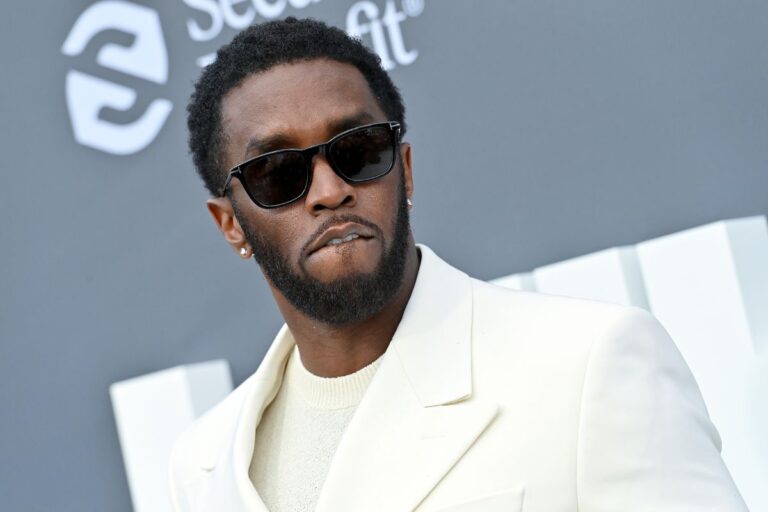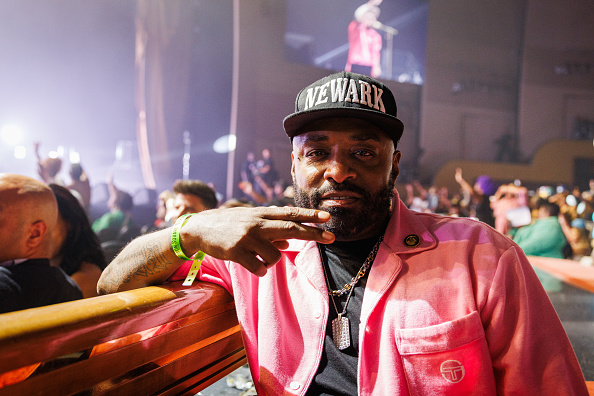
NEW YORK, NEW YORK - JULY 21: Do it All (Dupre Kelly) poses for a photo during the "Dj Cassidy's Pass the Mic Live" at Radio City Music Hall on July 21, 2023 in New York City. (Photo by Richard Bord/Getty Images)
In a surprising turn of events, legendary Miami rapper Uncle Luke has announced his candidacy for a seat in Congress, adding fuel to a growing trend of artists stepping into the political spotlight. This emergence of rappers as political figures is not merely a fad; it signifies a broader cultural shift where the voices that once echoed from the streets are now making their way into the halls of power. With their intimate understanding of societal issues, artists like Uncle Luke are leveraging their platforms to advocate for change, representing communities often overlooked by traditional politicians.
Rappers have long been storytellers, chronicling the challenges and triumphs of the Black experience, and their narratives resonate with a generation seeking representation. The passion and authenticity that define hip hop culture translate seamlessly into political activism. Recently, we have seen figures like Killer Mike and Cardi B engage in social discourse, advocating for issues ranging from police reform to voter rights. Their ability to connect with the youth is unparalleled, and as they champion critical causes, they inspire their listeners to become more civically active.
The influence of social media cannot be understated in this equation. Platforms like Twitter and Instagram allow rappers to communicate directly with their fanbase, bypassing traditional media channels. This immediacy helps to galvanize support for their political ambitions and allows them to address pressing issues in real-time. The blend of entertainment and activism creates a unique synergy, one that invites young voters to consider the importance of their voices in shaping the future. When a rapper steps into the political arena, it brings a fresh perspective that often disrupts the status quo, shaking up established narratives and encouraging dialogue.
As Uncle Luke’s announcement illustrates, the intersection of hip hop and politics is becoming increasingly normalized. With the growing necessity for diverse voices in governance, we can expect more artists to challenge the political landscape. They bring authenticity, urgency, and a grassroots connection that many conventional politicians lack. Whether or not Uncle Luke secures a seat, his candidacy marks a pivotal moment in the ongoing conversation about representation and the power of art as a vehicle for change. It’s a reminder that the fight for justice extends beyond music and into the political arena, and as such, the sound of hip hop may soon echo through Washington, D.C.
About The Author