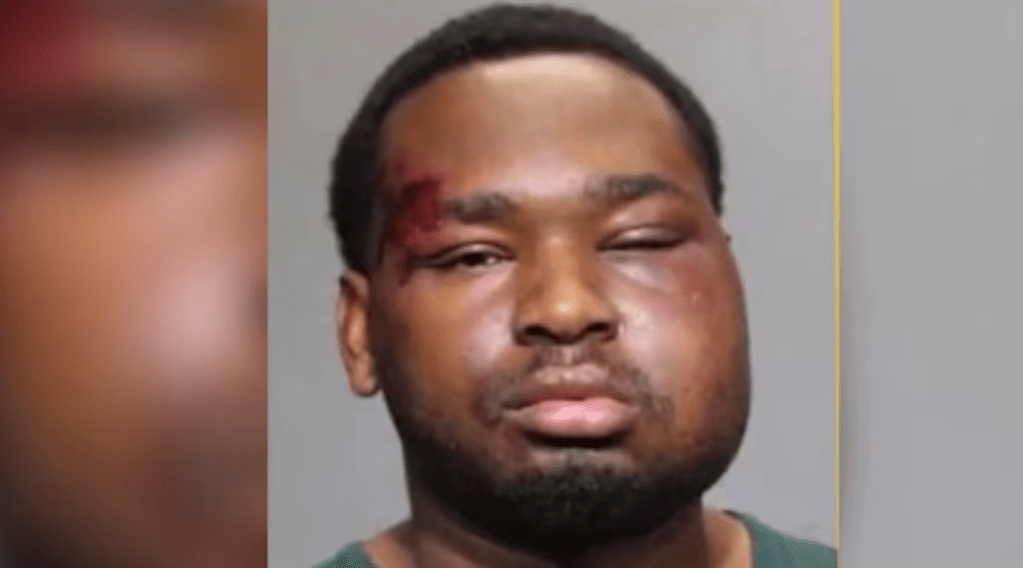
When we talk about justice in our communities, we can’t ignore the painful truth that far too often, it’s not just elusive—it’s violently denied. The recent arrest of 24-year-old Dasaun Williams has erupted into a firestorm of outrage, with renowned civil rights attorney Ben Crump ringing alarm bells over the Jacksonville Sheriff’s Office (JSO). Crump’s accusations of a culture steeped in excessive force among police officers should not just raise eyebrows; they should ignite conversations and demands for change in every Black household across this nation.
The disturbing details around Williams’ arrest, part of a clandestine drug and gang investigation, have surfaced a troubling narrative that we’ve seen play out too many times before. Body camera footage, which has become both a lifeline and a weapon in our ongoing struggle against systemic abuse, reveals a shocking encounter that raises more questions than it answers. How many more of our young Black men must endure this kind of violent treatment for the so-called protection of law and order? How many more families must suffer before real accountability is established?
As Crump highlights the JSO’s troubling reputation, we should remember that this is not just a local issue; it’s a reflection of policies and practices that extend far beyond Jacksonville. When a police department cultivates an environment that condones aggressive tactics and excessive force, it reverberates through our communities. We’re left to pick up the pieces while trying to navigate a system that has historically failed us. We witness the trauma inflicted during these encounters, and the scars they leave are not just physical—they’re emotional, generational.
The anger that has been bubbling to the surface is not simply about Dasaun Williams; it’s about a collective struggle that has persisted for decades. We are tired of being seen as suspects rather than human beings deserving of dignity and respect. When will our cries be acknowledged as legitimate calls for justice? When will we see systemic change that prioritizes the lives of Black individuals over the badge of those sworn to protect us?
We stand at a crossroads. The outrage we feel today can either fizzle into another moment lost in the headlines or transform into sustained activism that demands real reform. We have the power to amplify our voices, to support those fighting for justice, and to refuse to accept anything less than accountability from our law enforcement. The question that remains is: will we choose to rise up together and dismantle this culture of violence, or will we allow it to continue to flourish?
It’s time to hold the JSO accountable. Not just for Dasaun Williams, but for every life affected by their heavy-handed tactics. Change starts with us, and we owe it to ourselves and to our future generations to demand better.
From The Source
About The Author