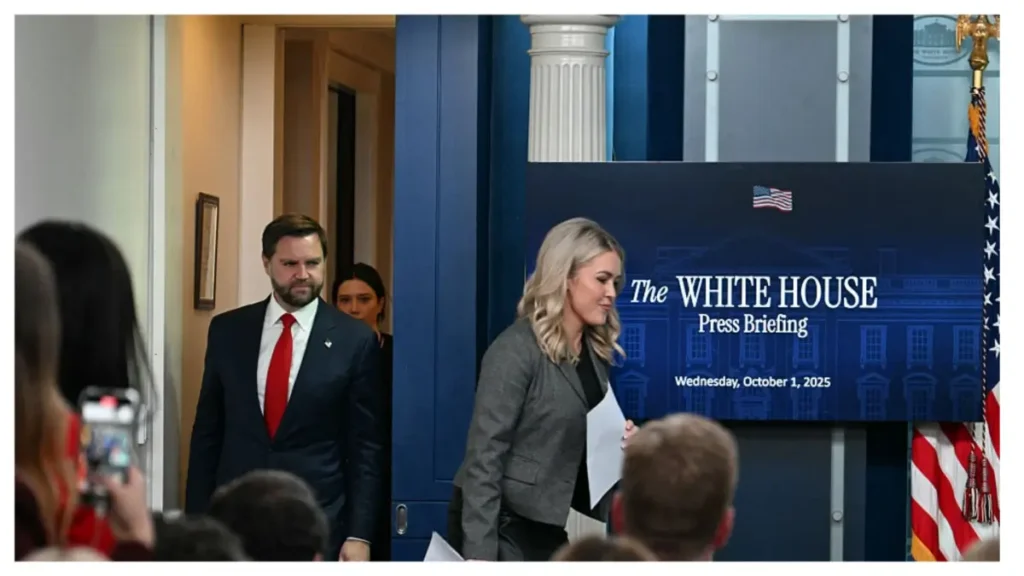
President Donald Trump has long shown a clear preference for the people who tell him what he wants to hear. He’s even admitted as much, claiming that he prefers to surround himself with loyalists who echo his views rather than challenge them. This was put into stark relief recently when Karoline Leavitt, a former aide and staunch Trump supporter, boldly declared that Trump ‘knows everything’ during a public event. Her statement, while likely intended to bolster the former president’s image, ironically served as a precursor to the explosive revelations that followed, which cast a shadow over that very claim.
Just days after Leavitt’s assertion, a report emerged detailing significant mismanagement within the Trump administration’s dealings, particularly concerning the pandemic response and various internal crises that went unaddressed. The findings painted a picture of an administration rife with chaos and misinformation, contradicting the idea that Trump had his fingers on the pulse of every issue. Instead, it revealed a man more focused on maintaining his image and appeasing those around him rather than confronting the harsh realities facing his presidency. This stark contrast threw Leavitt’s claims into disarray, showcasing the gap between perception and reality.
The fallout from this report has been nothing short of dramatic, with pundits and political analysts alike questioning whether Trump’s leadership style—one that favors affirmation over accountability—has contributed to the ongoing challenges his administration faced. Leavitt’s comments now serve as a cautionary tale for those who place blind faith in leadership that prioritizes loyalty over transparency. It’s a reminder that the complexities of governance cannot be simplified into soundbites, no matter how comforting they may be for the faithful.
As the narrative unfolds, it leaves many wondering: what does it mean for the future of Trump’s political brand? Will his supporters still rally behind a leader who might not know—or choose to ignore—the truth? The revelation gives us pause to consider how far loyalty can stretch, particularly when it leads to ignoring the very facts that threaten to expose weaknesses. In the world of politics, where the stakes are high, the need for honest leadership has never been more critical, especially when the loudest voices are those who would rather keep things comfortable than confront the uncomfortable truths.
About The Author