By DeShawn Price, PowerVault Staff
Picture this: a balmy evening in Chicago, downtown streets filled with the rhythmic beats of a drum circle. The chants grow louder, echoing off the skyscrapers as a diverse crowd marches against ICE, the agency charged with immigration enforcement. It’s not just immigrants and their families in the crowd, but Black Americans, Latinx allies, and a growing coalition of young voices demanding change. The scene feels reminiscent of the Black Lives Matter protests, where solidarity transcended racial lines to fight a common enemy: systemic injustice.
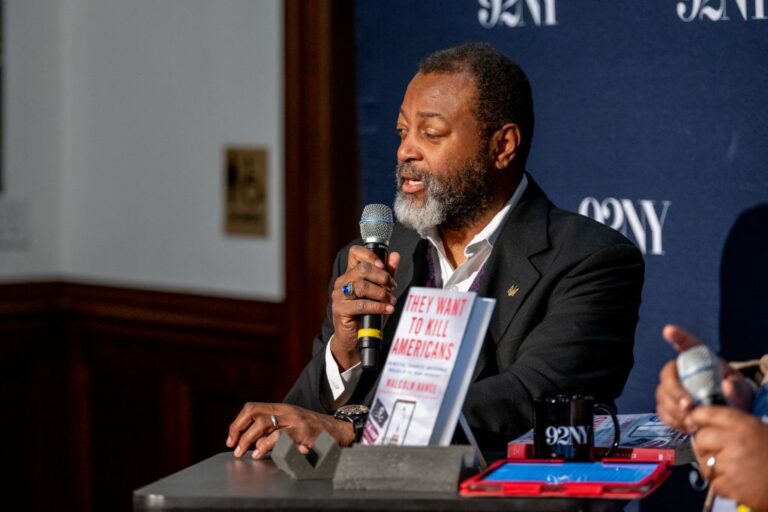
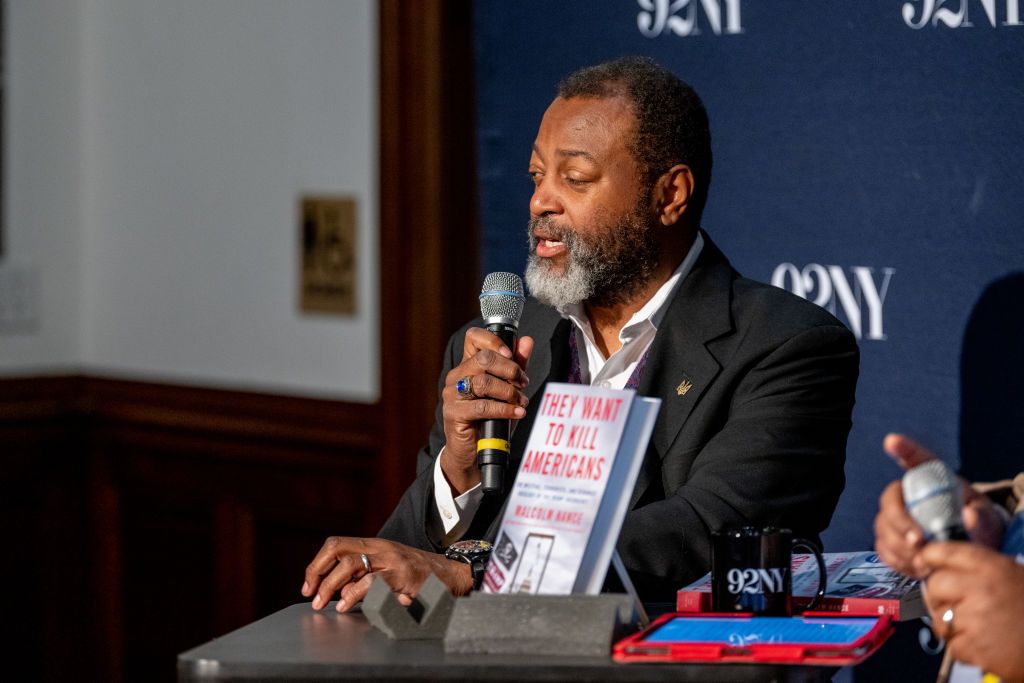
Malcolm Nance, the intelligence expert known for his deep dives into the underbelly of politics, recently explained the growing backlash against ICE. He posits that President Donald Trump’s draconian immigration policies have not only backfired but have ignited a firestorm of resistance from communities of color across the nation. For Black America, this fight against ICE is more than just standing in solidarity with immigrants—it’s a fight against a system that has long criminalized and marginalized them.
Let’s get real about why this matters. For centuries, Black and Brown communities have been on the receiving end of policies designed to divide and conquer. Trump’s immigration campaign is no exception. By demonizing immigrants, the administration attempted to pit communities against each other. But instead of turning against their neighbors, people are uniting. In this moment, we see echoes of past movements where Black joy and resilience sparked significant cultural shifts. Just like how Black joy is shaping the future of hip-hop and culture, this movement against ICE is shaping the narrative of resistance.
The deeper issue here isn’t just about immigration enforcement; it’s about what ICE represents. To many, ICE symbolizes an unchecked power that instills fear and perpetuates injustice. The agency’s tactics have drawn comparisons to those used during the Civil Rights era, where law enforcement was used to suppress rather than protect. It’s no wonder that the backlash is so fierce, as communities look to dismantle old systems that perpetuate inequality.
What’s particularly striking is how this moment taps into hip-hop culture’s legacy of resistance. We know hip-hop has always been about giving a voice to the voiceless, from Grandmaster Flash’s social commentary to Kendrick Lamar’s powerful narratives. The movement against ICE is another chapter in this ongoing story, amplifying the stories of those who have been silenced. Hip-hop artists and fans alike have taken to social media, organizing events, and speaking out against policies that threaten the fabric of their communities.
Take a look at the broader cultural implications. The fight against ICE isn’t happening in a vacuum. It’s part of a larger narrative where Black excellence and resilience are guiding forces. For instance, when Lil’ Kim and her daughter Royal Reign stole the spotlight at a major fashion event, it wasn’t just a fashion statement—it was a declaration of Black visibility and power. Similarly, as Black communities stand against ICE, they’re asserting their right to be seen, heard, and respected.
As we look ahead, it’s crucial to consider what this moment means for the future. The backlash against ICE could be a catalyst for broader changes in how we approach immigration and racial justice in America. It serves as a reminder that unity is powerful, and when communities come together, they can challenge even the most entrenched systems. Just as movements from the past have reshaped our cultural landscape, today’s resistance has the potential to do the same.
What’s next? Keep an eye on how this movement evolves. Will it inspire more intersections between hip-hop culture and activism? Will it lead to policy changes that respect and protect the dignity of all people? Only time will tell, but one thing is certain: in the fight against ICE, Black America is not just standing by—it’s leading the charge, demanding a future where justice and equality aren’t just ideals but realities.
About The Author