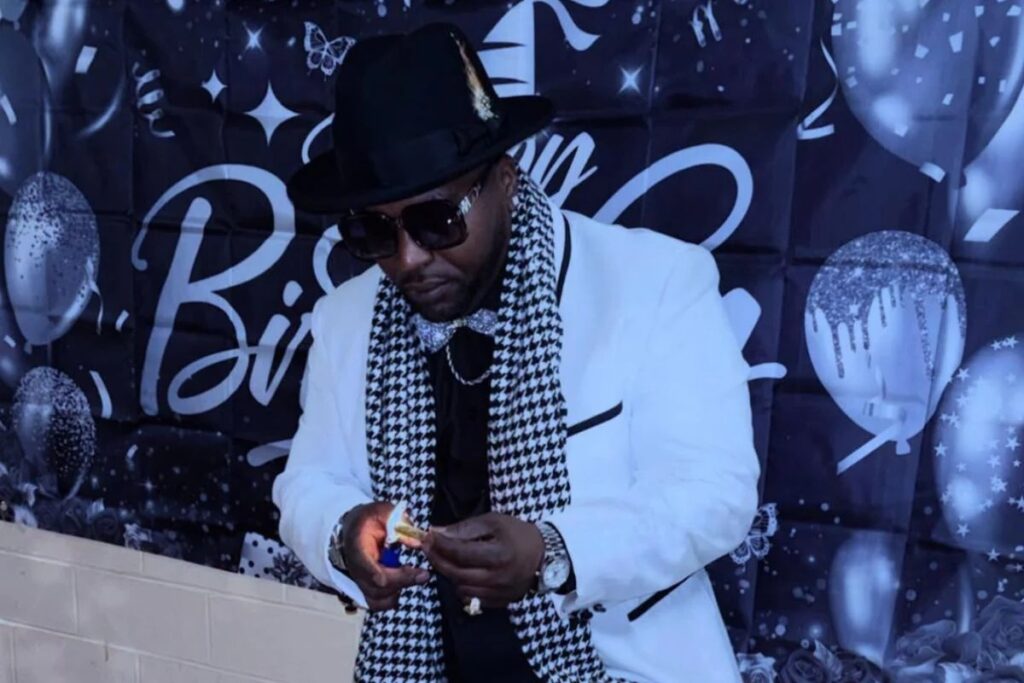
The hip hop scene is no stranger to tragic tales, but the recent death of rapper Sinthoro Upper strikes a particularly somber chord. Just weeks after his track “Slidin” surged to viral fame, Upper’s life was abruptly cut short in a horrific incident within the confines of his Brooklyn apartment. While the infectious rhythm of his music captivated fans and promised a bright future, the reality of his personal life spun a darker narrative that culminated in his untimely passing.
Sinthoro Upper, whose real name was still finding its place in the spotlight, had become a voice for many, weaving stories of struggle and perseverance into his lyrics. “Slidin” resonated with listeners, showcasing his ability to craft catchy hooks with a relatable edge. As the song climbed the charts, hopes for a flourishing career soared. However, the very home that witnessed his rise to fame also became the scene of a tragic confrontation that none could foresee. Upper’s 16-year-old stepson, struggling with an emotional whirlwind, shot him dead over a dispute related to smoking. This senseless act turned a promising star into yet another statistic in the ongoing discussion about youth violence and family dynamics.
The story hit hard not just because of the loss of a rising artist, but also due to the reflection it casts on the reality many face. Incidents like this highlight the urgency for dialogue around mental health and the pressures faced by young individuals in turbulent environments. Upper’s music often explored themes of survival, yet it’s a grim irony that the artist himself fell victim to the very struggles he articulated in his verses. Fans remember his swaying rhythms and poignant lyrics, but they are also left grappling with the harsh truth that sometimes, behind the glamour of the stage lies a struggle that few can see.
As the hip hop community mourns Upper’s passing, they also rally around his music. “Slidin” continues to play across streaming platforms, serving as an anthem not only of his talent but of the fragility of life itself. Artists have begun to speak out, using their platforms to address the systemic issues that lead to violence, highlighting that the loss of Sinthoro Upper is, after all, a loss for everyone. His story will serve as a reminder of the importance of communication, understanding, and support within families and communities, a call to action that transcends the music industry and reaches into the hearts of all who listen.
About The Author