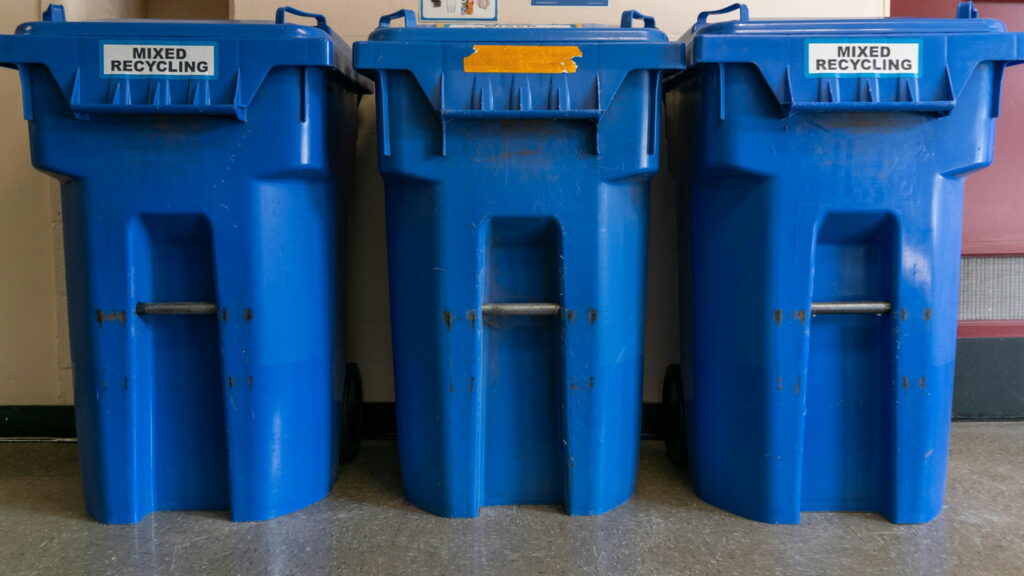
In a troubling reflection of systemic inequities, the small town of Chickasaw, Alabama has instituted an ordinance that criminalizes unpaid garbage bills. This move not only raises questions about local governance but also casts a harsh light on the historical context of the town, which was established as a whites-only company town in the early 20th century. As we navigate this complex narrative, it becomes increasingly clear that such policies disproportionately impact the town’s Black residents, underscoring a lingering legacy of discrimination and economic disparity.
Chickasaw’s decision to enforce a penal code for unpaid sanitation fees is indicative of broader trends seen throughout the country, where fiscal policies often overshadow social justice. For many residents, especially those from marginalized backgrounds, this ordinance poses a significant threat to their stability and well-being. The reality is that unpaid bills can arise from a multitude of sources—loss of employment, sudden medical expenses, or even the economic strain from living in a community with limited resources. Yet the punitive nature of this ordinance does little to address the root causes of financial hardship; instead, it further criminalizes poverty, particularly within the Black community.
In a state grappling with its own complicated racial history, such measures can feel like a continuation of a long-standing narrative where the burdens of legislation fall unequally on those already experiencing disenfranchisement. Residents have voiced concerns that this ordinance not only stigmatizes them but also perpetuates a cycle of debt that can lead to additional legal repercussions—including fines and potential jail time. Furthermore, it risks creating a chilling effect, where residents may feel compelled to avoid seeking help or reporting issues related to service, ultimately exacerbating community health and safety concerns.
Local activists and community leaders have begun to mobilize against the ordinance, emphasizing the need for equitable solutions that prioritize social support over punitive action. They argue for legislation that encourages community engagement and addresses the fundamental issues of poverty and inequality rather than imposing criminal penalties. As discussions unfold, the town’s residents are reminded of their power and the importance of standing united against policies that seek to divide them.
As we reflect on this latest development in Chickasaw, it is crucial to recognize the intersection of race, economics, and governance that shapes our communities. The struggles faced by the town’s Black residents are a microcosm of larger societal issues that demand our attention and action. It is not merely about garbage bills; it is about the very essence of justice and equity in a society that continues to grapple with its historical injustices.
About The Author