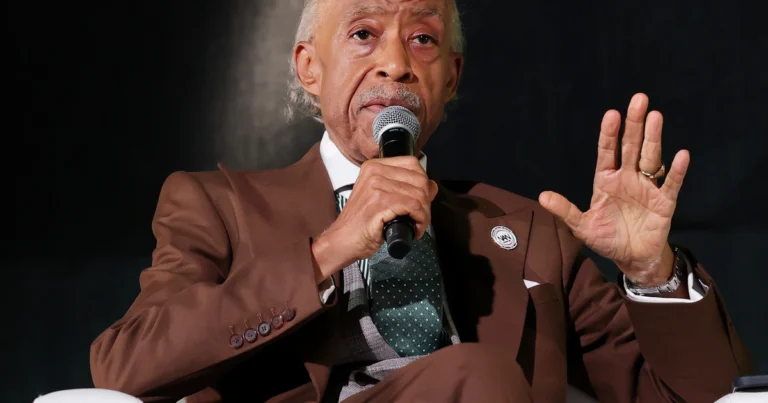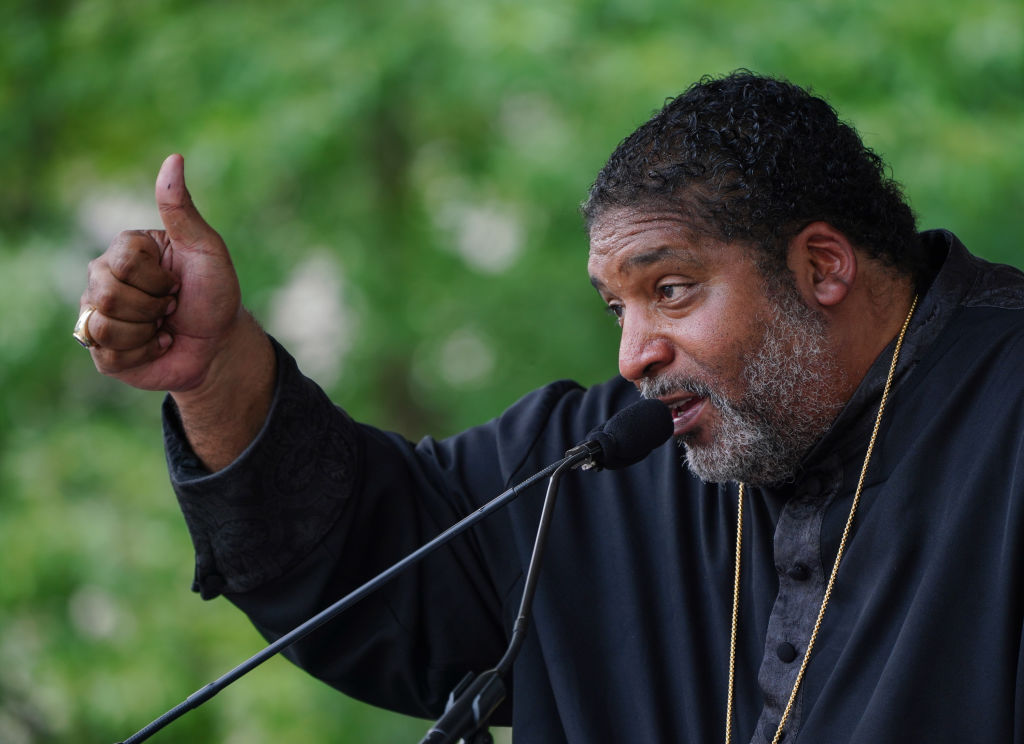
WASHINGTON, DC - JULY 13: Reverend William Barber speaks during a demonstration calling for Care Work to be recognized as Climate Work on July 13, 2021 in Washington, DC. (Photo by Jemal Countess/Getty Images for Green New Deal Network)
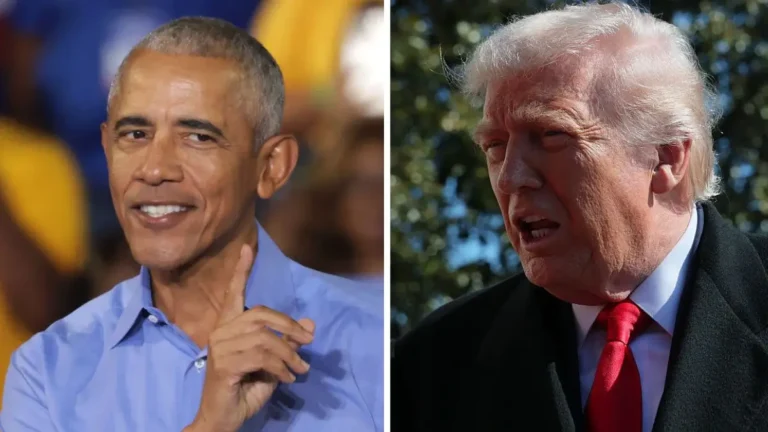
In a shocking display that has stirred deep controversy, former President Donald Trump recently shared an image on social media portraying himself in a Christ-like manner, complete with a halo and biblical imagery. This provocative act has drawn immediate backlash from prominent Black faith leaders, who have taken to various platforms to express their outrage and disappointment. For many in the Black community, this portrayal not only trivializes the sacredness of faith but also disrespects the ongoing struggles against racial injustice and inequality that Jesus himself spoke against.
The criticism is grounded in a historical context where imagery has wielded staggering influence over perceptions of race and authority. Black clergy members argue that such a portrayal feeds into a long-standing tradition of white supremacy that seeks to align political power with divine favor. By depicting himself as a religious figure, Trump is accused of manipulating faith to bolster his political aspirations, an act that many believe undermines the true messages of love, compassion, and unity that are central to Christian teachings.
In an era where the intersection of faith and politics is increasingly scrutinized, these leaders remind us that representations matter. They call on their congregations and the broader community to recognize the implications of such imagery. Messages from faith leaders emphasize the need for authenticity in spiritual representation and a call to action against the appropriation of sacred symbols for personal gain.
Ultimately, this incident highlights a critical dialogue that extends far beyond a single image. It forces us to confront how figures in power utilize religious rhetoric to further their agendas, often at the expense of marginalized communities. As the discourse continues to unfold, one thing remains clear: the Black clergy’s response is more than just a reaction; it is a profound challenge to reclaim the narrative of faith in a society increasingly divided by race and politics. The call for genuine representation and respect for sacred beliefs has never been more urgent.
About The Author