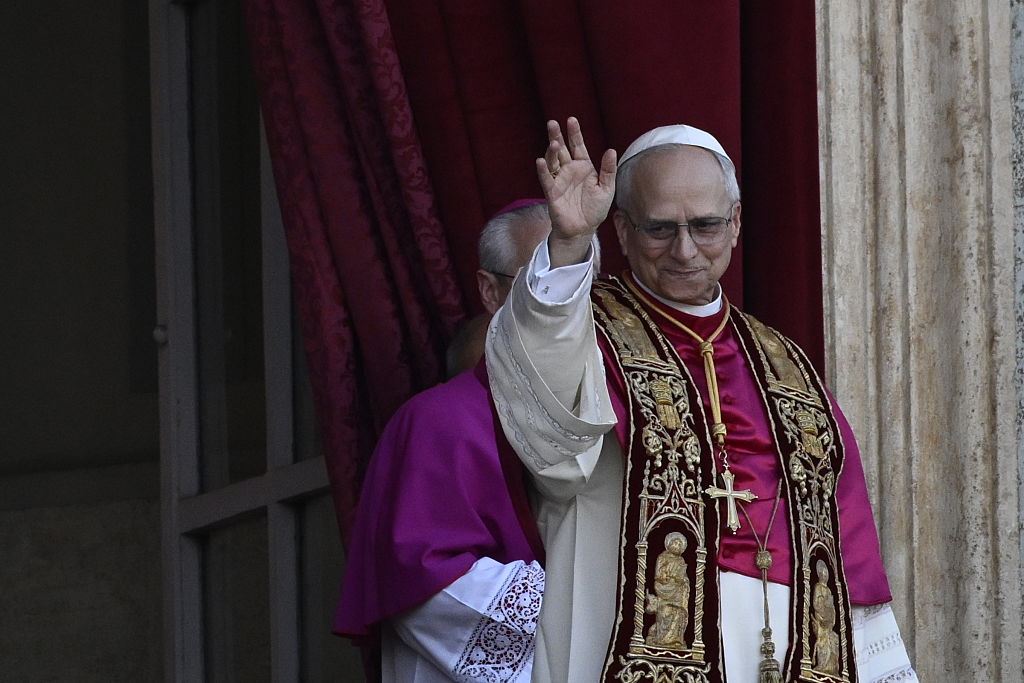
VATICAN CITY, VATICAN - MAY 8: The newly elected Pontiff, Pope Leo XIV is seen for the first time from the Vatican balcony on May 8, 2025 in Vatican City, Vatican. Cardinal Robert Prevost will be known as Pope Leo XIV. White smoke was seen over the Vatican early this evening as the Conclave of Cardinals took just two days to elect the new Pontiff after the death of Pope Francis on Easter Monday. (Photo by Antonio Masiello/Getty Images)
Pope Francis, the head of the Catholic Church, has often been a figure of intrigue and discussion beyond the realm of faith. Recently, while President Trump has found himself embroiled in a contentious war of words with the pontiff, many are taking a step back to explore the rich cultural tapestry that defines this Chicago-born pope. Francis, born Jorge Mario Bergoglio, has roots that weave through both the African-American and Creole narratives, reflecting a heritage that is not often celebrated in the broader conversation surrounding leadership within the Catholic Church.
His paternal family hails from Italy, but it is his mother’s side that draws a rich connection to the Creole culture, particularly through his grandmother, who was a well of wisdom and tradition. This blend of Italian and Creole roots illustrates the diverse influences that shape the way he views the world, especially in an era where racial identity and cultural heritage are becoming increasingly important narratives.
Being a pope with ties to Black and Creole history not only adds depth to his role but also presents a critical chance to bridge gaps between different communities. It allows him to approach issues of social justice through a lens that is both personal and profound. As he speaks on matters of inequality and the plight of marginalized communities, his background offers authenticity and relatability that resonates with many.
In a time when representation matters more than ever, understanding the pope’s lineage provides a unique perspective on his leadership style and advocacy. It prompts us to rethink the traditional image of religious leaders and encourages a more inclusive conversation about faith, identity, and the intersections of culture. As the world continues to grapple with issues of race and belonging, Pope Francis stands as a dynamic figure whose heritage enriches the narrative of leadership within the church and beyond.
About The Author