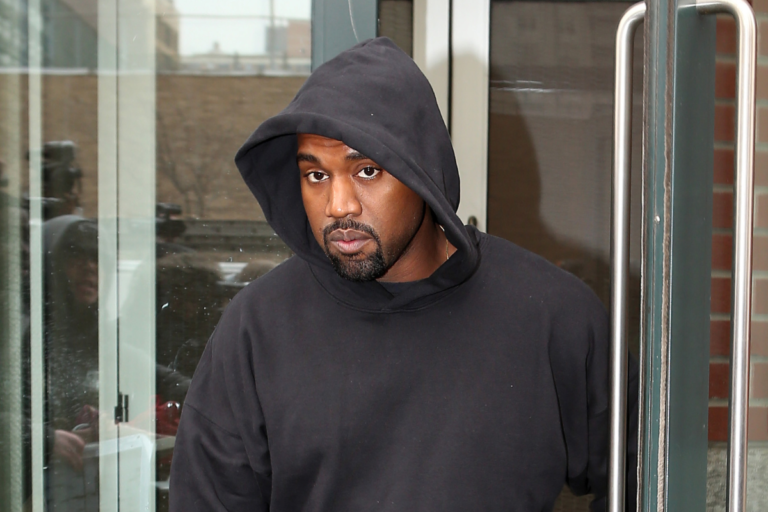
It seems like every time we think we’ve seen the last of the drama surrounding Ye, he surprises us again. This time, the rapper-turned-mogul is facing potential roadblocks on his European tour as France’s Interior Minister, Laurent Nuñez, is reportedly weighing options to cancel his upcoming concert in Marseille. This isn’t just another concert cancellation; it’s a reflection of the ongoing tension between art, freedom of expression, and the political climate that continues to challenge Black artists everywhere.
Ye has always been a polarizing figure, but his music has transcended boundaries and sparked conversations that go far beyond the stage. In France, where the echoes of social and racial tensions resonate deeply, his controversial remarks and actions have put a spotlight on the intersection of culture and politics. While some may argue that banning him is a violation of free speech, others are calling for accountability, particularly in a country that has been grappling with issues of racism and police violence. It’s a delicate balance, one that puts the responsibility of art under scrutiny.
As Ye’s European tour continues to shrink, with cities pulling support and venues questioning their choices, it raises the critical question: what happens to artists when their voices become too loud, too disruptive? In a world where Hip Hop is often used as a vehicle for social commentary, it’s troubling to see that an artist’s platform can simultaneously be their prison. The history of Black artists across the globe is riddled with instances where their creativity has been stifled by societal pressures and prejudices, and Ye’s current situation is yet another chapter in that ongoing struggle.
The powers that be in France may be underestimating the impact Ye has had on the global stage. His music has always been a reflection of the climate of the times—both personal and political—and to dismiss him outright would be to ignore the voices of countless fans who resonate with his struggle and triumph. Not to mention, the conversation surrounding his potential cancellation inevitably opens up a larger dialogue about censorship, artistic freedom, and the responsibility that comes with fame.
As we watch this story unfold, we have to remember that Ye’s narrative is not just about him; it’s a broader commentary on the state of Black artistry in a world that often seeks to silence it. Whether or not the concert in Marseille goes on as planned, one thing is clear: the conversation surrounding Black representation in music and the arts is far from over, and it’s a conversation we need to keep having as we move forward.
About The Author