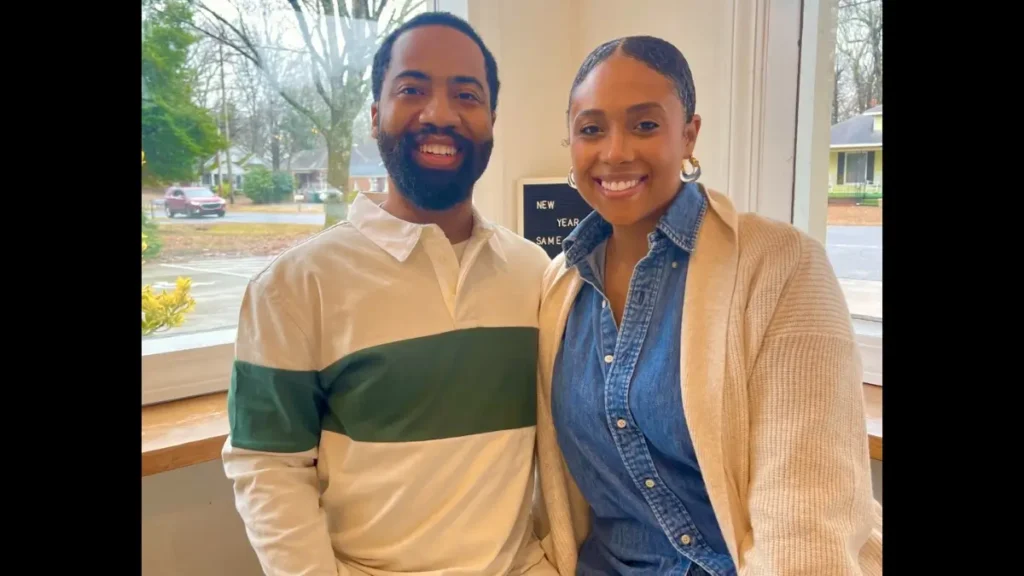
In a recent social media storm, a job posting by a Black female entrepreneur offering a remote creative strategist position for $55,000 ignited fierce backlash, triggering a substantial online debate about the realities of wage offers, especially within minority-owned businesses. Critics quickly labeled the salary as ‘disgustingly low’ for the level of skill and creativity expected in such a role. This uproar raises complex questions about the balance between fair compensation and the economic pressures that small business owners often navigate.
Many respondents argued that the offer reflects a broader crisis in compensation structures facing people of color in the workforce, particularly in the creative industries. Supporting a fellow Black entrepreneur is essential, they argued, but not at the cost of undervaluing talent and labor. For many, this incident exemplifies the tensions that exist between aspiring entrepreneurs trying to build their brands and the broader expectation of equitable pay for skilled work.
However, the business owner defended her position, citing the financial constraints of running a small business and the challenges of maintaining profitability while trying to provide opportunities. As a community, should we prioritize supporting our entrepreneurs, or does that support come with the responsibility to demand fair wages? This is a question that hits home for many, as it challenges the traditional narratives about business ownership, labor value, and community expectations.
At the heart of this debate lies a deeper conversation about economic equity and the systemic barriers that have long plagued minority-owned businesses. As discussions continue to evolve on social media platforms, it becomes increasingly clear that the conversation around wage disparities isn’t just about one job posting; it’s about the collective struggle for fair compensation and respect in the workplace, particularly for people of color. As we navigate this contentious landscape, let’s remember that supporting Black-owned businesses also means advocating for their ability to provide fair wages and sustainable work environments for their employees.
About The Author