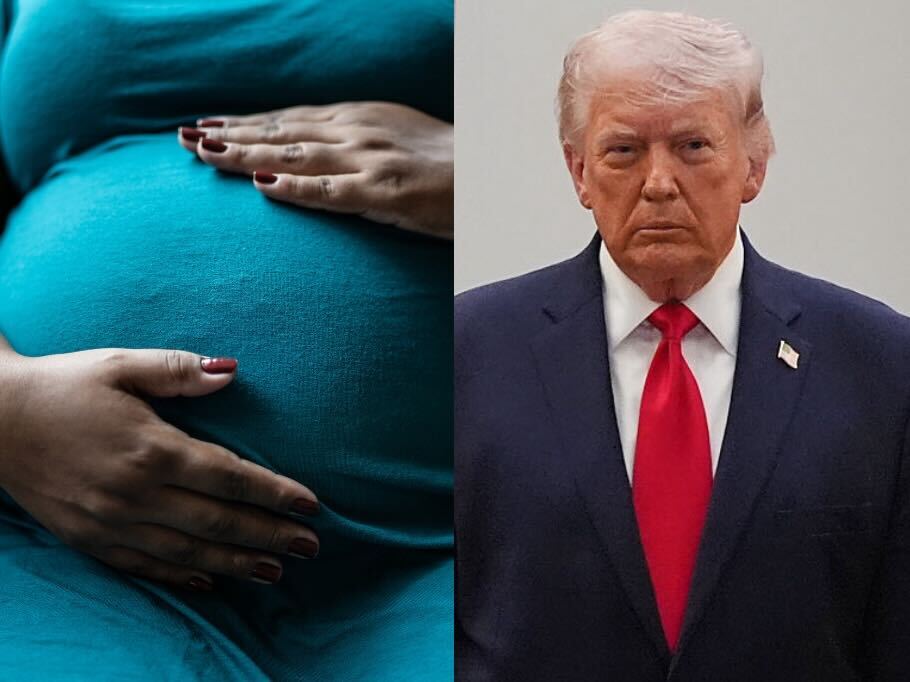
In a world where maternal health should be a universal priority, the alarming statistics surrounding Black maternal and infant health remain a haunting reminder of systemic neglect. As we observe Black Maternal Health Week, it’s crucial to highlight the severe disparities that plague Black mothers across the nation. Despite the progress of conversations around healthcare inequities, the Trump administration’s lack of actionable policy changes has left many Black mothers and their infants vulnerable to unnecessary risks.
The tragic reality is that Black women are three to four times more likely to experience pregnancy-related deaths than their white counterparts, a statistic that underscores the severity of this issue. The reasons behind this growing crisis are multifaceted, encompassing everything from inadequate healthcare access to the devastating impacts of poverty and food apartheid—a term that reflects how marginalized communities often lack access to nutritious food, further complicating their health outcomes. In essence, the systemic barriers are not just a matter of health; they are a manifestation of broader societal injustices that have persisted for generations.
While the Trump administration has been criticized for its dispassionate approach to addressing these health disparities, the voices of advocates and community leaders continue to push for change. They emphasize that the conversation around Black maternal health must not only be heard but acted upon with urgency. The disparities should be met with comprehensive policies that acknowledge the historical context of racism within healthcare and actively strive to dismantle the structures that uphold these inequities.
As we reflect on Black Maternal Health Week, it is a time for both celebration and critical examination. We must honor the strength and resilience of Black mothers while demanding systemic change. The disparities in maternal health care are not just statistics; they represent real lives affected by systemic neglect. It’s time for the nation to recognize and address these injustices, ensuring that Black mothers and their infants receive the care they rightfully deserve. The fight continues, and it demands our collective attention and advocacy for real change.
About The Author