As we celebrate the centennial of Black History Month, it’s essential to reflect on the significance of this observance. One hundred years ago, the idea of dedicating a month to honor Black history was revolutionary. It aimed to reclaim narratives and highlight achievements that had long been marginalized or omitted from American consciousness. Today, as we commemorate a century of recognizing Black contributions to our society, we must confront a disheartening reality: the fight for Black history continues, challenged by rising censorship and efforts to erase vital parts of our shared past.
In recent years, we’ve witnessed a surge in attempts to restrict discussions about race and historical injustices in educational settings. Textbooks are being revised, curricula are being challenged, and classroom conversations about pivotal events in Black history are being silenced. This is not merely an academic issue; it’s a direct assault on the truth. The stories of resilience, struggle, and triumph must not only be acknowledged but celebrated and passed down to future generations. Black History Month serves as a crucial reminder that these narratives are essential to understanding the complexities of our nation’s history.
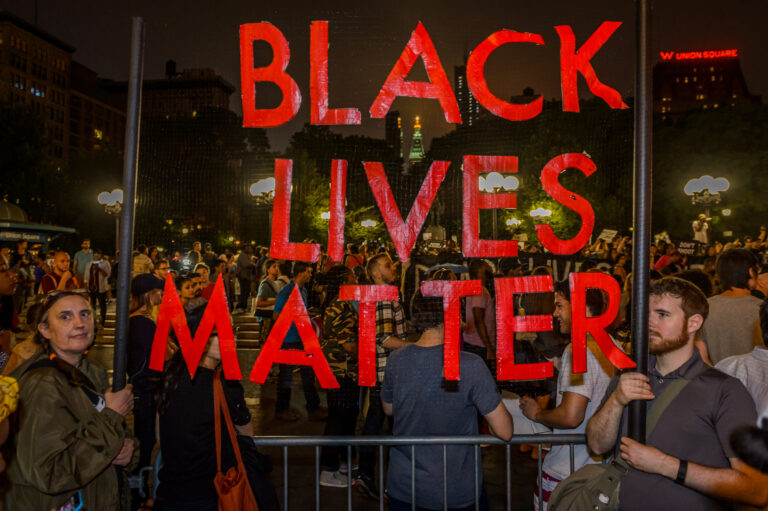
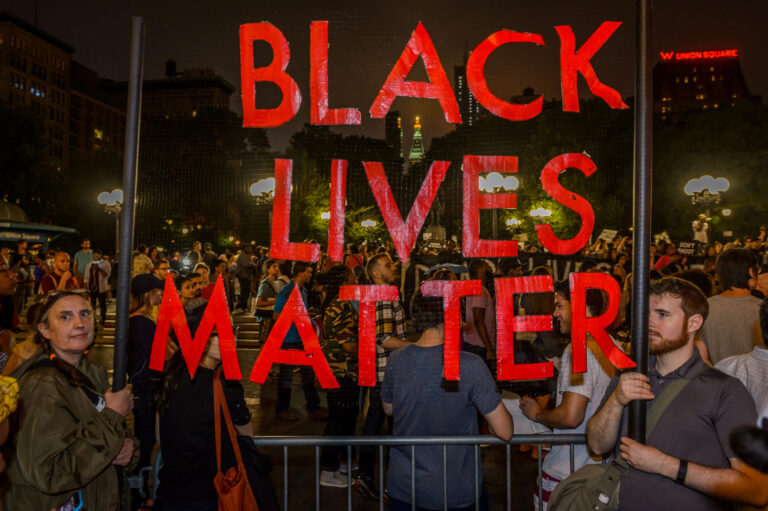
As we stand at this crossroads, it is clear that Black History Month matters now more than ever. It is a call to action—not just to honor the past but to safeguard the future of Black narratives. We must be vigilant in protecting these histories, ensuring they are not dismissed or forgotten. This month is not merely a commemoration; it’s a demand for equity, representation, and respect for the truths that have shaped our society. Let us use this centennial milestone as a rallying point for education, activism, and unity in the ongoing fight against erasure.
About The Author