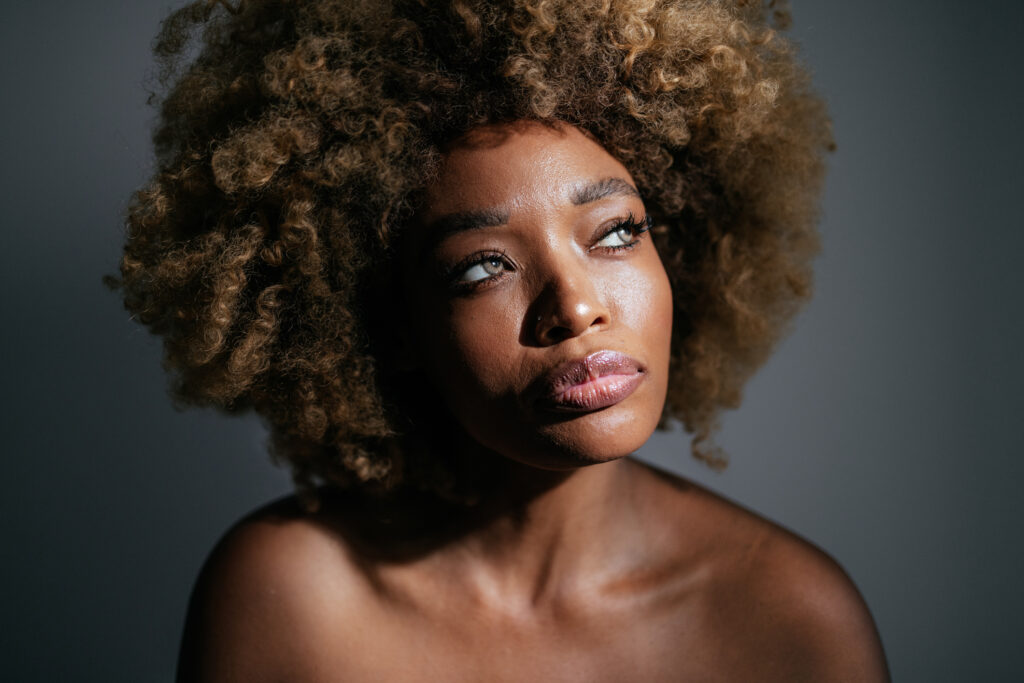
Studio shot of smiling African-American woman with clean skin and curly hair looking away and smiling.
In an era where cultural sensitivity and awareness are paramount, Vogue magazine has found itself in hot water after attempting to rename the iconic hairstyle known as the Afro. This classic hairstyle, a symbol of Black pride and identity, has been celebrated for decades as an expression of beauty, rebellion, and cultural heritage. However, when Vogue tweeted a post suggesting a new name for the Afro, it was met with immediate backlash from the Black community and beyond. Many took to social media to express their outrage, arguing that the magazine’s attempt to rebrand a deeply significant cultural symbol was not only tone-deaf but also disrespectful.
The Afro is more than just a hairstyle; it represents a rich history and a source of empowerment for countless individuals. Dating back to the Civil Rights Movement and popularized during the Black Power era, the Afro remains a potent symbol of resistance against Eurocentric beauty standards. To suggest a new name is not merely a misstep; it undermines the struggles and triumphs of those who have worn the Afro proudly. Users on Twitter and Instagram took the opportunity to voice their discontent, highlighting the importance of acknowledging and respecting the origins and meanings behind cultural expressions.
Critics also pointed to Vogue’s history of cultural appropriation and lack of diversity in its editorial choices, which has previously drawn ire from advocates pushing for more authentic representation of Black culture in mainstream media. This latest incident serves as a stark reminder that brands must genuinely engage with the cultures they seek to represent rather than merely exploiting them for aesthetic appeal. The conversation around this incident is not just about hair; it’s about understanding the larger social context in which such cultural symbols exist.
As we navigate a world increasingly aware of cultural significance, it’s essential for platforms like Vogue to listen to the voices of the communities they aim to feature. The backlash against Vogue is an opportunity for reflection, urging them—and the broader fashion industry—to acknowledge the roots of cultural styles and ensure that they are celebrated rather than appropriated. At the end of the day, the Afro will continue to stand tall as a symbol of strength and pride, regardless of attempts to rename it. This incident is more than just a faux pas; it is a call to action for all media outlets to engage with cultural narratives responsibly and respectfully.
About The Author