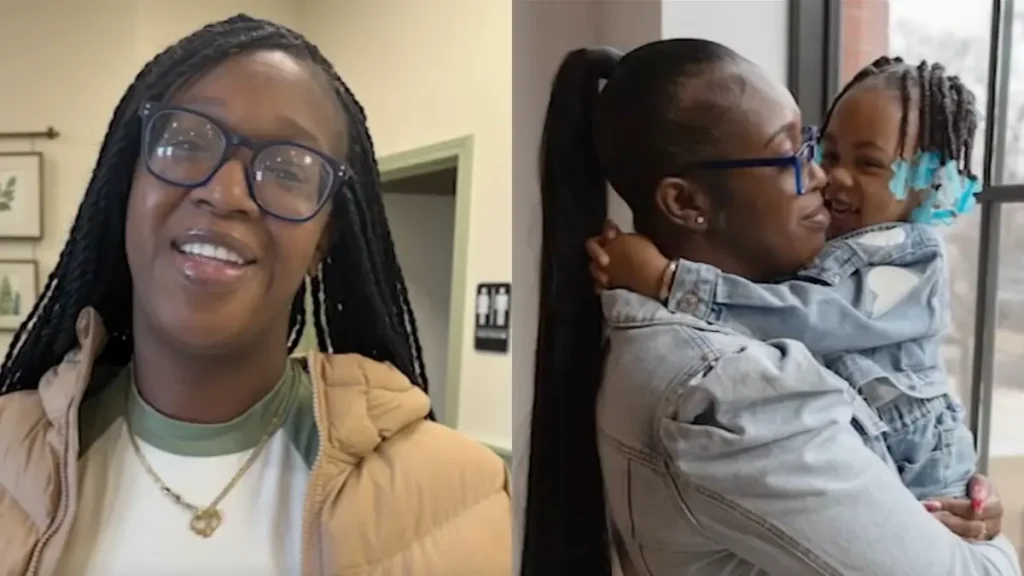
In a harrowing case that’s sparking conversations about domestic violence and self-defense, a Chicago woman, eight months pregnant, is facing murder charges following the stabbing death of her boyfriend. According to reports, the incident unfolded during a heated argument, where the woman’s supporters claim she was a victim in her own right, having endured years of abuse. As the trial approaches, advocates are rallying to have the charges dropped, framing the situation as one of a mother fighting for her life and the life of her unborn child.
The details of that fateful night are chilling. Supporters allege that the boyfriend not only physically assaulted her but also slammed her head down, escalating a volatile situation into what they argue was an act of desperation. In instances where women are forced to protect themselves, especially in the context of domestic violence, the legal system often struggles to navigate the fine line between victim and perpetrator. This case has ignited discussions about how society responds to women who feel cornered and have no other choice but to defend themselves.
Social media has erupted with voices calling for justice, with hashtags like #FreeHer echoing across platforms. Many are demanding that the legal system recognize the complexities of domestic relationships, particularly when children are involved. For them, it’s not just about the crime; it’s about understanding the context in which these tragedies unfold. Supporters see this trial as a critical moment to advocate for change, not just for this woman, but for countless others who face similar struggles behind closed doors.
As the trial date looms, the question remains: will the court see her as a victim of circumstance or simply a perpetrator? The answer could have significant implications, not only for the woman and her child but also for how domestic violence cases are treated in the future. Through this lens, the unfolding drama is about more than just legal accountability; it’s about changing narratives and ensuring that the voices of women fighting on the frontlines of domestic abuse are heard and validated. The fight for justice continues, and it’s a fight that resonates deeply within the community, igniting a broader conversation about empowerment, protection, and the rights of women in distress.
About The Author