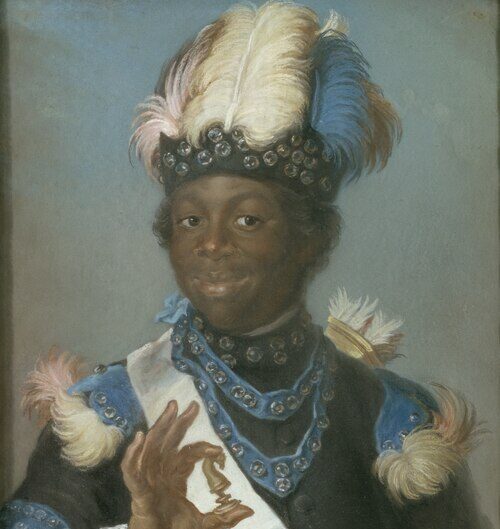
In a groundbreaking move, the National Museum in Stockholm is unveiling a new exhibit that shines a light on the life and legacy of Adolf Ludvig Gustav Fredrik Albrecht Couschi, an 18th-century Black diarist also known as Badin. This exhibit, set to explore Couschi’s intricate life through his own writings, aims to reclaim a narrative that has often been overlooked in the annals of history. Badin, who was born into slavery in the Caribbean before finding his way to Sweden, serves as a pivotal figure whose words encapsulate the complexities of race, identity, and resilience in a time marked by colonial paradigms.
Couschi’s diaries offer an intimate glimpse into his life, detailing not only the struggles and triumphs he faced as a Black man in Europe but also his sharp observations of the society around him. His writings reflect a unique lens on the 18th-century world, rich with insights into the intersections of culture, power, and humanity. Through this exhibit, the museum endeavors to provide visitors the opportunity to engage directly with Couschi’s thoughts, fostering a deeper understanding of his experiences and the broader Black narrative in Europe during that era.
The importance of this exhibit cannot be overstated. In a world that often marginalizes the voices of Black individuals, reclaiming figures like Couschi is essential for a more comprehensive understanding of history. It raises critical questions about representation, heritage, and the ongoing impact of colonialism. By placing Couschi’s words at the forefront, the museum not only honors his legacy but also challenges us to confront the uncomfortable truths of our collective past.
As the opening day approaches, excitement builds among historians, educators, and art enthusiasts alike. The exhibit promises to be more than just a display of artifacts; it is an invitation to explore the richness of Black history through the eyes of an articulate, resilient individual who dared to document his journey in a world that sought to silence him. The National Museum’s commitment to this narrative reaffirms the importance of recognizing and celebrating Black voices, not just as subjects of study, but as active participants in the tapestry of global history.
About The Author