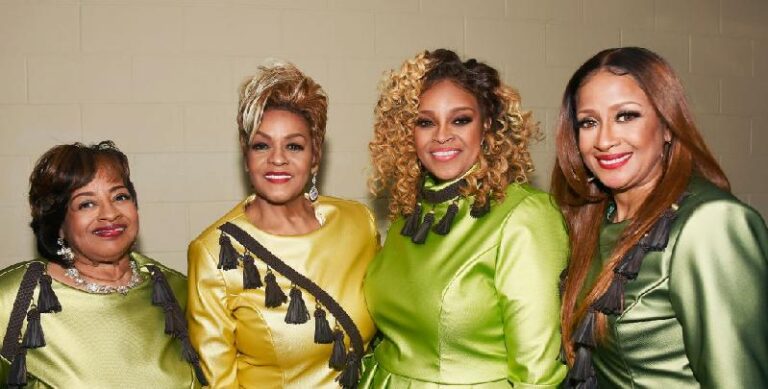
In a shocking tale that sounds like it’s straight out of a horror film, 30-year-old Essie Dunbar from a small town recently found herself at the center of an extraordinary miracle. After suffering a severe epileptic seizure, she was declared dead by medical professionals, plunging her family into profound grief. But as the story goes, the plot thickens: moments after her body was prepared for burial, she inexplicably began to show signs of life, gasping for air and awakening in a moment of sheer disbelief.
Essie’s miraculous return from the dead sent shockwaves through her tight-knit community, igniting conversations about faith, science, and the intersection of both. For a town that seemed to be engulfed in sorrow, her revival transformed mourning into a celebration of life, sparking debates on what truly constitutes death. Some see this as a divine act, while others are cautiously skeptical, leaning into the medical anomalies surrounding such rare occurrences.
The news spread like wildfire on social media, with hashtags like #EssieIsAlive trending and drawing attention beyond small-town boundaries. As relatives and friends rallied around her, words of thanks poured in from all corners, emphasizing hope in the face of despair. Strangers flocked to the hospital, and when Essie finally emerged to greet the world outside, the collective sigh of disbelief turned into a chorus of joy.
Essie’s journey back to life, however, wasn’t just a miraculous twist of fate; it raises deeper questions about the fragility of existence and the stories we tell ourselves about life and death. As she continues her recovery, conversations surrounding health care disparities, particularly in underrepresented communities, have taken center stage. This small-town horror story reminds us not only of the power of resilience but also of the unshakeable human spirit in the face of unimaginable circumstances.
About The Author