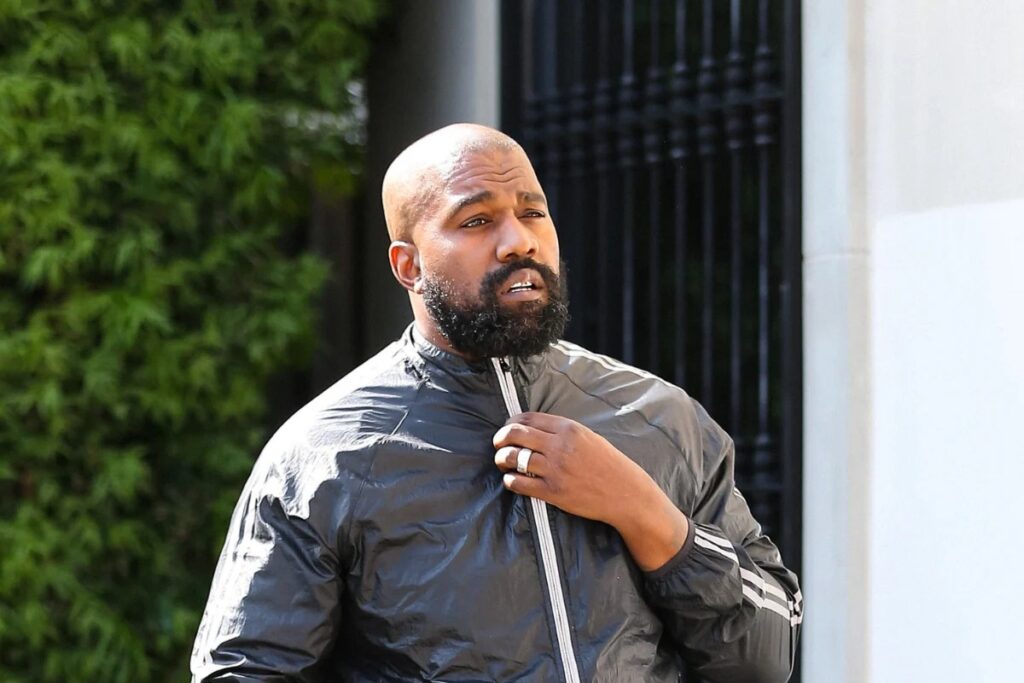
Kanye West’s attempt to stage a comeback in Europe has hit a significant roadblock as Poland’s government has officially canceled his concert. The decision comes in the wake of the rapper’s controversial remarks that many perceived as antisemitic and pro-Nazi. This latest incident marks another chapter in West’s tumultuous relationship with the public and the music industry, where his outlandish statements often overshadow his artistic contributions.
The Polish government, which has been vigilant about maintaining a stance against hate speech and antisemitism, issued a statement emphasizing their commitment to tolerance and respect. Poland, with its deep historical ties to Jewish culture and a painful legacy from World War II, has zero tolerance for any form of Nazi promotion or hate speech. West’s comments, which have sparked outrage across various communities, triggered a wave of backlash that ultimately made it untenable for the concert to go on as planned.
This incident isn’t just a setback for West as an entertainer; it’s indicative of a broader cultural reckoning in which artists are increasingly held accountable for their words and actions. Fans and critics alike are grappling with the implications of supporting artists whose views clash with social values, and West has become a polarizing figure in this discourse. While the artist’s past work resonates with many, his recent behavior raises questions about the cost of talent in the age of accountability.
As the news circulates, it serves as a reminder of the power of words and the responsibility that comes with influence. West’s journey from hip hop icon to a figure of controversy illustrates the delicate balance artists must strike when navigating personal beliefs and societal norms. For now, as his European tour plans crumble, the music world watches closely—wondering if this latest fallout will serve as a turning point for Kanye West and the conversations surrounding artists and their moral compass in the public eye.
About The Author