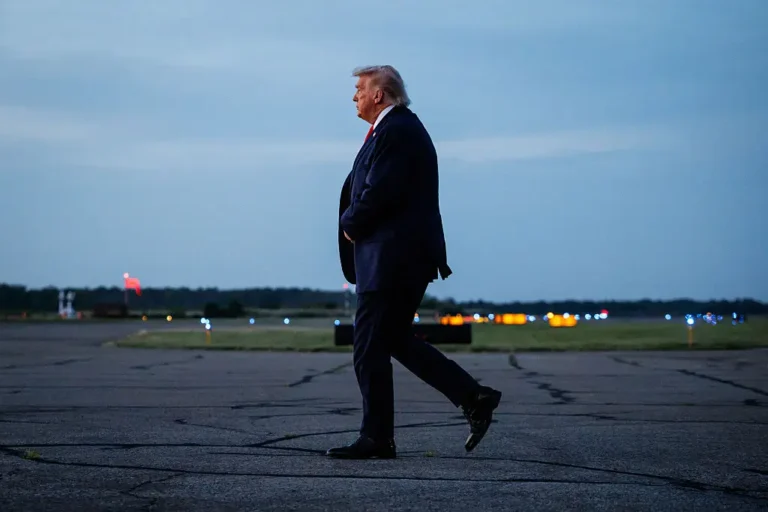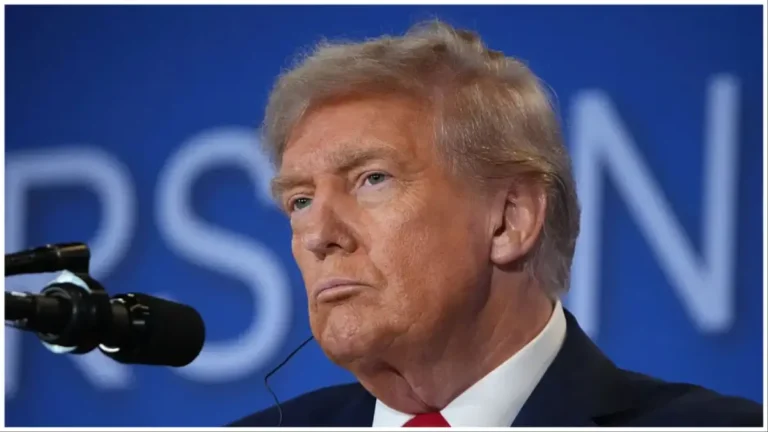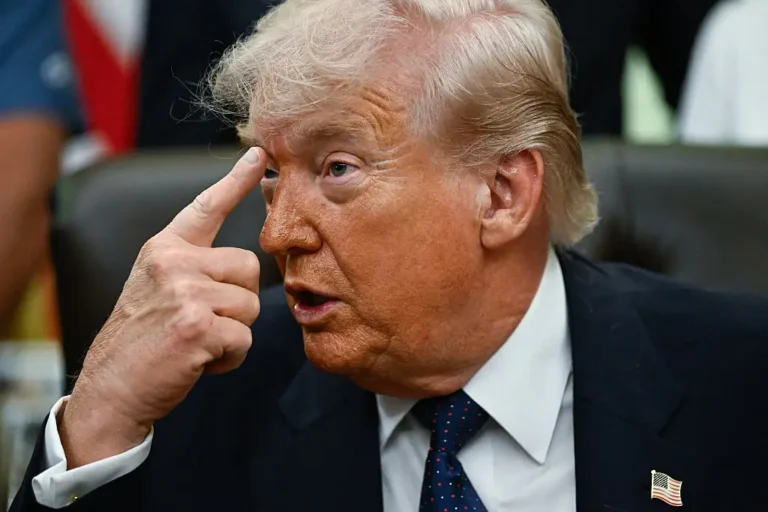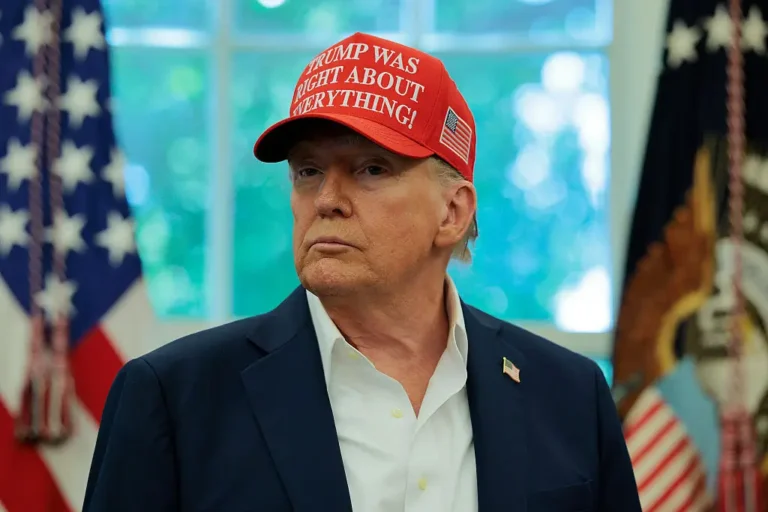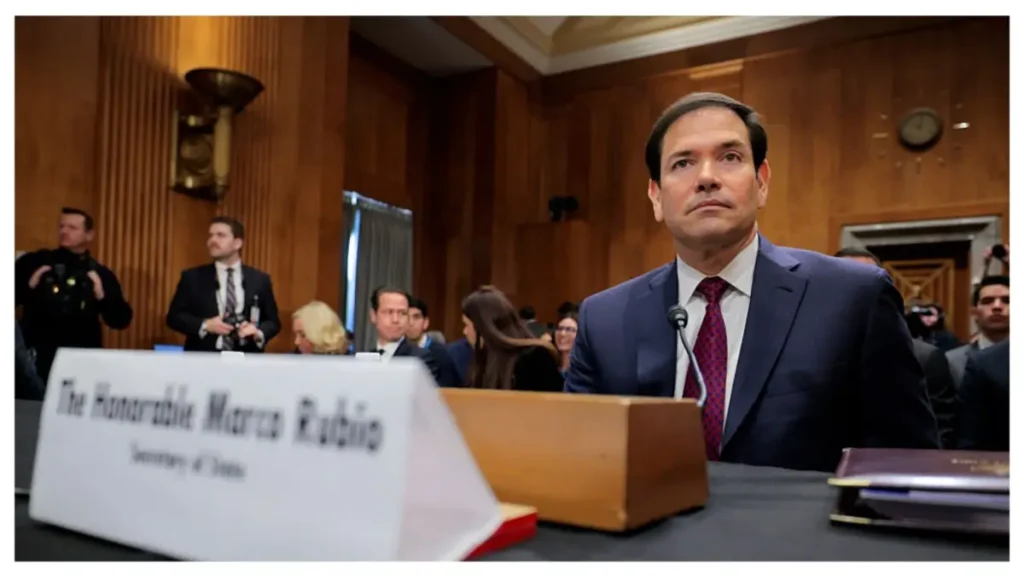
A contentious Secretary of State Marco Rubio went on the defensive during a U.S. Senate committee hearing. He lashed out over the suggestion that he had neglected his duties by missing a crucial meeting that dealt with significant foreign policy issues. The tension in the room was palpable as Rubio’s shaky composure reflected a man under pressure; it was clear he wasn’t prepared for the pointed inquiries regarding his attendance—or lack thereof.
But the situation took a turn for the worse when a series of unflattering photos from a recent event resurfaced online. Amidst the serious discussions of diplomacy, images capturing Rubio in a questionable state of inebriation were splashed across news outlets, leading critics to double down on accusations of negligence and unprofessionalism. The juxtaposition of his drunken visage against the backdrop of pressing national matters was not lost on the audience, and it only fueled the fire of outrage from both sides of the aisle.
The fallout from this debacle is a stark reminder that public officials are not immune to scrutiny. Rubio’s indignant response did little to quell the storm brewing around him; instead, it highlighted a deeper issue within the current political climate—one where accountability often takes a backseat to image control. As he attempts to navigate the aftermath of this incident, it remains to be seen if he can regain the confidence of his constituents or if this incident will leave a lasting stain on his political career.
About The Author