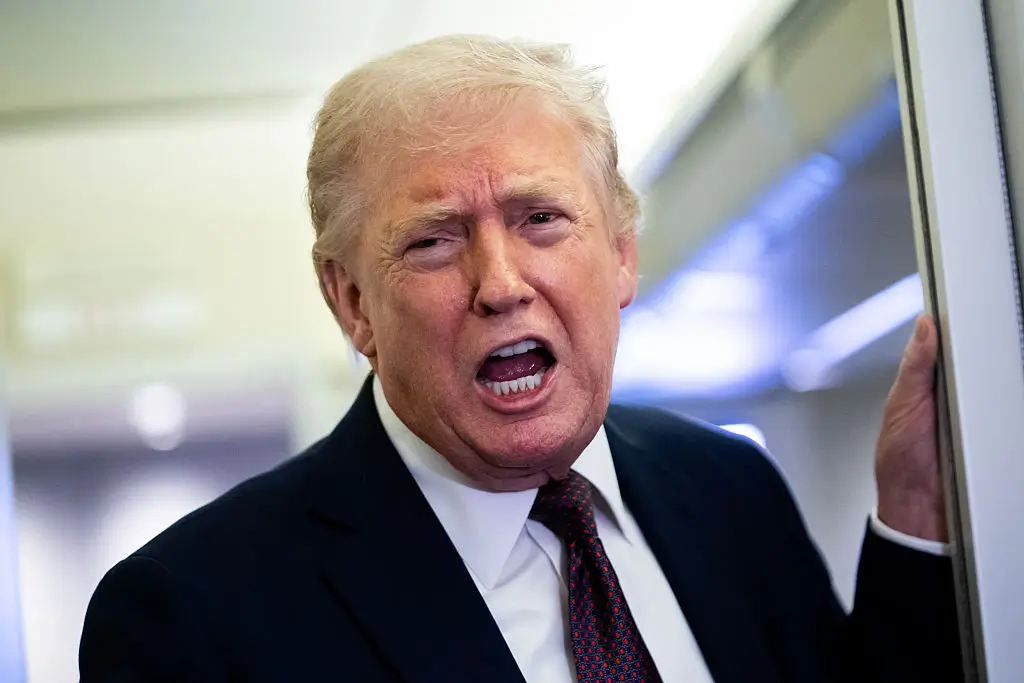
In the world of art and politics, few things can be as paradoxical as the relationship between a sculptor and the subject he chooses to immortalize. For many, their work serves as a reflection of their values, their ideology, and, importantly, their integrity. But in the case of Donald Trump’s recent sculptor, the story takes a sharp turn, one that reflects not just on art but on the broader themes of trust and deception that have plagued Trump’s life and presidency. The sculptor, who had high hopes for his piece, now finds himself in a whirlwind of controversy, claiming he was played in what he describes as an ‘awful’ rush job.
The sculptor initially believed he was creating a masterpiece that would shine a light on Trump’s legacy, but what unfolded instead has turned the narrative on its head. As he recounts the experience, it becomes clear that behind the longed-for prestige of creating a piece for a controversial figure lies a cautionary tale about ambition and accountability. The artist, who once saw this project as an opportunity to elevate his career, now grapples with the reality of a rushed job that has drawn more ridicule than respect. In a world where the line between art and spectacle blurs, this mishap serves as a reminder that not every endeavor will yield the glory one hopes for.
Moreover, as financial discrepancies begin to bubble to the surface—missing money that has yet to be accounted for—the sculptor feels the narrative shift further. Now, instead of discussing the artistic merit of his work or the symbolic value in portraying a disputed president, the focus has shifted to questions of financial integrity and transparency. It’s a classic case of good intentions gone awry, and in the realm of Trump’s eclectic history, it feels particularly emblematic. The sculptor’s lament, calling himself a ‘fool,’ speaks volumes about the trust he placed in a precarious partnership, and now that trust appears to have been misplaced.
This art debacle serves as a microcosm of the greater societal reflections we see around Trump. While many laud him as a master manipulator who knows how to play the media, this story illuminates the human factor often overshadowed by political theatrics. Artists, like politicians, are not immune to the complexities of their choices. The sculptor’s journey is a lesson in the fine balance between ambition and the risks inherent in aligning with contentious figures. As this saga unfolds, it challenges us to think critically about who we support and the potential repercussions of those alliances, particularly in a cultural landscape as charged as today’s.
Ultimately, the sculptor’s story transcends the realm of art; it is a cautionary tale about the fragility of trust, the consequences of haste, and the often-unseen costs of our choices. As the dust settles, it leaves us pondering not just the fate of a sculpture but the larger implications of integrity in the art of politics.
About The Author