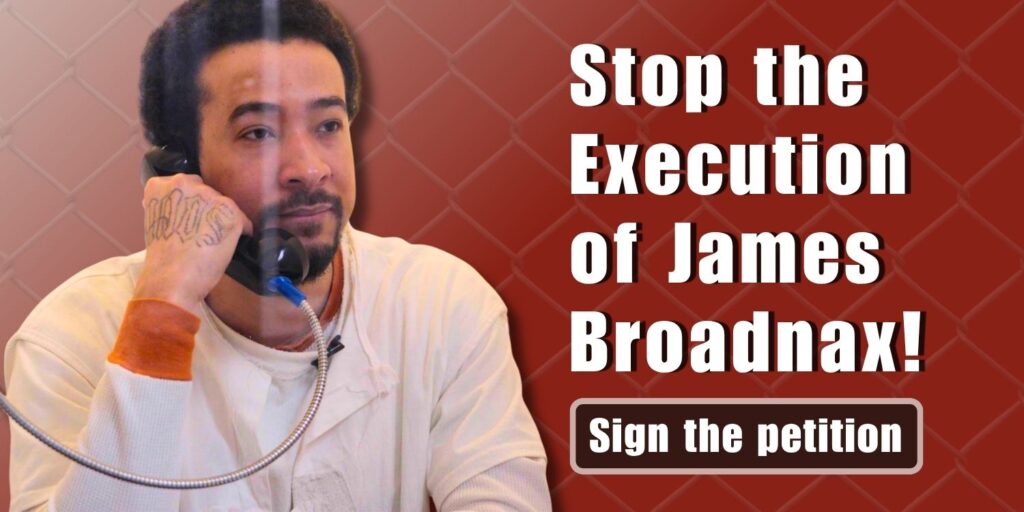
In the world of hip hop, lyrics have always served as a powerful medium for storytelling, reflection, and expression. They can capture the struggles of life, the rhythm of resilience, and the pulse of a community. However, for James Broadnax, a young man whose art became a mirror to his reality, his lyrical expressions have taken a chilling turn. Broadnax is currently facing execution, with his own rap lyrics wielded against him as damning evidence in a murder trial that has raised more questions than answers about the justice system and its treatment of Black artists.
Broadnax, now in his thirties, penned these lines as a teenager, likely channeling the tumultuous emotions that come with growing up in a world rife with violence and despair. Yet, instead of being celebrated for his artistry, his verses have been weaponized, twisted into a narrative that paints him as a criminal. This misuse of artistic expression underscores a disturbing reality: how often the words of young Black men are scrutinized and misconstrued, serving not as a means of understanding but as a tool of condemnation.
The implications of this case reach far beyond Broadnax’s individual fate; they provoke a critical conversation about the intersection of art and justice. How do we draw the line between artistic expression and criminal intent? When do the words of a poet, or a rapper, become a reflection of their reality rather than a mere confession of guilt? The risk of conflating creativity with culpability puts countless artists in jeopardy, as it invites the question of whether their work can ever truly be free or if it will always be subject to the scrutiny of a system that often fails them.
As we process this heartbreaking story, it urges us to consider our own responsibilities as listeners and consumers of art. Are we prepared to stand in solidarity with artists who find their creativity weaponized against them? The fight for justice and equity in the arts is a collective endeavor, reminding us that the power of words can be both a lifeline and a noose. James Broadnax’s plight is a painful reminder that we must not only listen to the stories being told but also ensure that we protect the storytellers.
About The Author