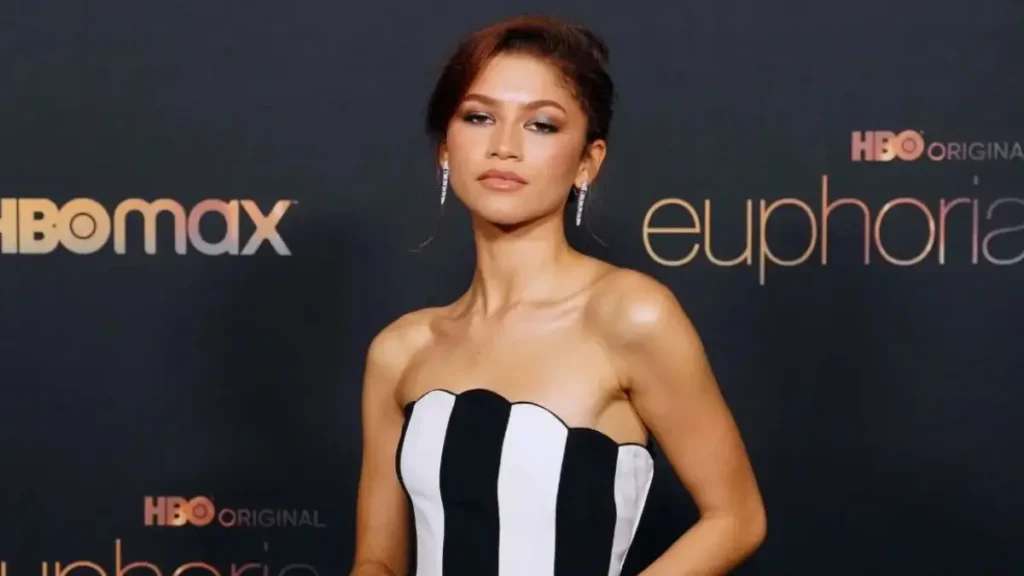
HBO’s “Euphoria” has captivated audiences since its debut, offering a raw and unfiltered look at the lives of modern teenagers grappling with love, identity, and addiction. Yet, as the series gears up for its third and final season, it seems to have crossed a line that many never anticipated. In a recent episode, viewers were confronted with an intensely graphic scene that featured the use of a slur, sparking outrage and forcing fans to question the show’s commitment to thoughtful storytelling.
The scene has ignited a storm of criticism, with many arguing that it felt less like a bold artistic choice and more like a cheap stunt aimed at generating buzz. “Euphoria” has never shied away from difficult topics, but this latest misstep has led to a collective sense of disappointment among fans who once hailed it as a groundbreaking examination of youth culture. Instead of celebrating the show’s exploration of deep-seated issues, viewers are left grappling with feelings of unease and frustration at what seems to be a misguided attempt to shock for shock’s sake.
Social media quickly became a battleground for opinions, with many expressing their hurt and disbelief over the scene’s inclusion. Critics are questioning whether the creators have lost sight of the show’s original mission—to provide a voice for the voiceless and to depict the struggles of marginalized communities in a nuanced way. The use of language that perpetuates harm and division contradicts the inclusive narrative that fans have come to expect, leaving many to wonder if the show is straying too far from its core values.
As the backlash continues to build, it raises important questions about the responsibility of creators in addressing sensitive topics. Should they prioritize shock value over an authentic representation of the experiences they claim to portray? For a show that has previously tackled themes of identity and acceptance, this recent decision appears to undermine its own ethos. With the final season approaching, fans are left anxiously awaiting whether the creators can recalibrate their approach and restore the integrity that made “Euphoria” a cultural touchstone.
About The Author