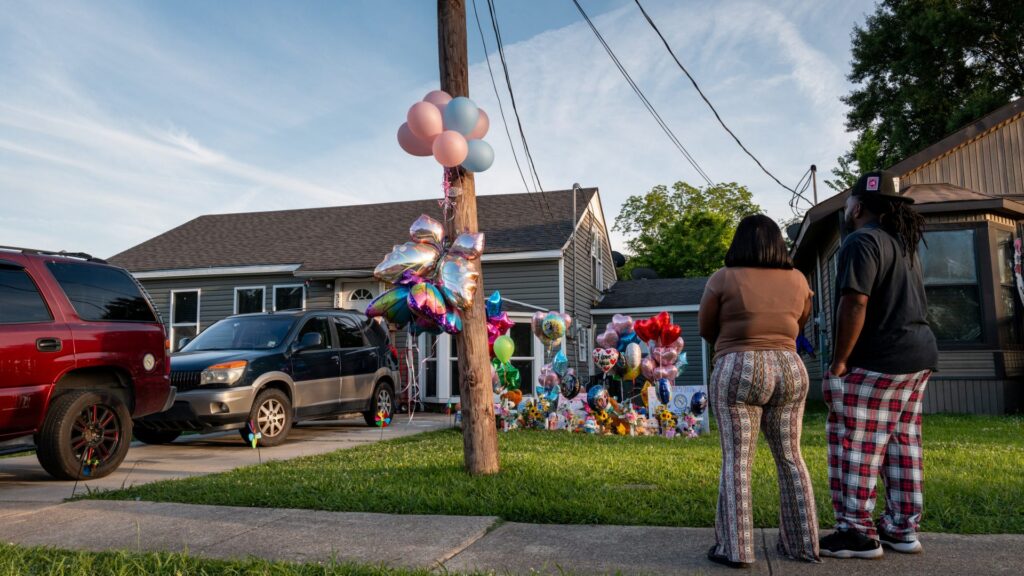
As my city awoke on April 19, 2026, to another Sunday morning, we learned the unimaginable had taken place in our own backyard. Eight children were eternally sleeping, another 13-year-old was lost, and the echoes of their laughter now replaced with the haunting silence of grief. The community came together, candles lit in dark corners, tears shared amongst neighbors over the unthinkable violence that shattered our hearts. Social media exploded with condolences, heartfelt messages streaming in from all corners of the globe, but as the dust settles, we must ask ourselves: what happens next?
This tragedy isn’t just a headline; it’s a stark reminder that our communities are fragile and that sorrow doesn’t disappear once the news cycle turns. For the families left behind, the loss is a daily reality. Sympathy may be an important first step, but it’s only the beginning. These families need tangible support—mental health resources, financial assistance for funerals, and programs that honor the lives lost while providing new opportunities for those who remain. They need our commitment beyond the initial wave of grief, a pledge that we will continue to stand beside them in the months and years to come.
It’s easy to share a post or attend a vigil, to be swept up in the emotion of the moment, but true solidarity requires action. We must commit to lifting up the voices of those affected and advocating for systemic change that addresses the root causes of violence in our communities. This isn’t a moment for complacency; it’s an urgent call for sustained engagement. We need to ensure that the children still here are provided with safe spaces to thrive and resources to heal.
Let’s honor the memories of the lives cut short by our actions, not just through words but through deeds that reflect our love and commitment to one another. The question lingers: Will you be there after? As we navigate the aftermath of tragedy, let’s resolve to be more than sympathetic observers. It’s time to show up for each other, understanding that every act of kindness, advocacy, and support can help heal a broken community. In times of grief, love should not just be a sentiment; it must become our pledge to live out every single day.
About The Author