By Marcus Ellison, PowerVault Staff
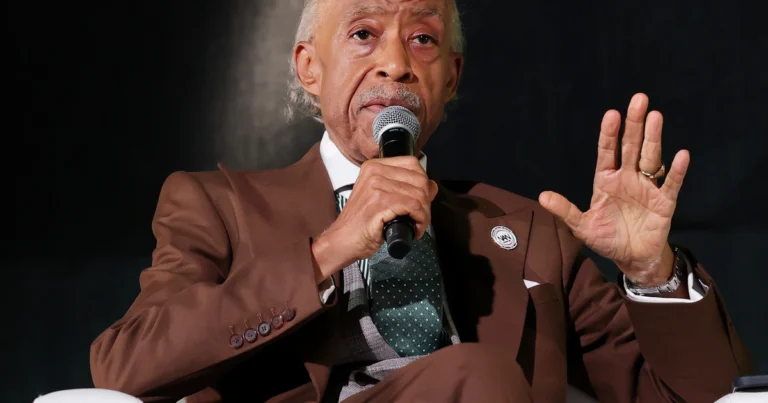
Imagine standing on the steps of the Lincoln Memorial, listening to echoes of Martin Luther King Jr.’s ‘I Have a Dream’ speech. That speech didn’t just talk about a dream; it sparked a movement that changed the course of history. Fast forward to 2026, and once again, Washington D.C. is set to become the epicenter of a renewed battle for justice and equality with the March on Washington 2026: Defend The Vote. But why is this march crucial for us today, and what does it mean when the likes of Rev. Al Sharpton and Martin Luther King III are leading the charge?
The March on Washington 2026 is not just another event; it’s a powerful statement about the state of voting rights in America. With Rev. Al Sharpton and the National Action Network joining forces with the King family, this march is an urgent call to action for our generation. It’s a reminder that the fight for voting rights, a cornerstone of our democracy, is far from over. Recent years have seen an alarming rise in voter suppression tactics, from gerrymandering to restrictive voter ID laws. These aren’t just political strategies; they’re direct attacks on the rights that many of our ancestors fought and died for.
For those who wonder why this march matters, think about the role of voting in shaping the policies that impact our communities. Voting isn’t just about picking candidates; it’s about choosing the direction in which we want our communities to move. It’s about having a say in the education of our kids, the reform of our criminal justice system, and the economic opportunities available to us. Without the power to vote, we’re left voiceless in a system that was built on our backs.
The historical significance of this march can’t be overstated. The original March on Washington in 1963 was a watershed moment for civil rights in America. It wasn’t just a march; it was a defining moment that brought together people across races and backgrounds to demand justice and equality. The upcoming march aims to resonate with the same spirit while addressing modern challenges like voter suppression. This is about continuing the legacy of those who came before us and ensuring that the dream Dr. King spoke of isn’t just a dream but a reality.
Let’s not forget that hip-hop and Black culture have always been intertwined with activism. From N.W.A.’s bold statements against police brutality to Kendrick Lamar’s ‘Alright’, the music has been a voice for the oppressed and a rallying cry for change. Today’s artists are no different, using their platforms to highlight issues that matter, such as voting rights. This march aligns with the cultural pulse of hip-hop, reminding us that we have the power to influence change, both through our voices and our votes.
A march of this magnitude also underscores the importance of unity in the fight for justice. It’s easy to feel isolated when faced with systemic barriers, but the truth is, we’re stronger together. Just as the 2026 March on Washington is bringing together a broad coalition of community partners, we’re reminded of the strength in numbers and the impact of collective action. When we stand united, we not only amplify our voices but also increase our chances of driving meaningful change.
Looking forward, the March on Washington 2026 is more than just a moment; it’s a movement. It’s about setting the stage for future generations to enjoy the rights we often take for granted. We’re standing on the shoulders of giants, and it’s our duty to carry the torch forward. As we look to the future, this march invites us to reflect on how we can continue to fight for justice and equality in our everyday lives. Whether it’s by voting, protesting, or educating ourselves and our communities, we all have a role to play in this ongoing struggle.
As the date approaches, keep an eye on how this march might inspire other movements and discussions around voting and civil rights. In an age where information is power, staying informed and engaged is crucial. Much like how Black Music Month celebrates the core of our cultural identity, this march is a celebration of our rights and our resilience. So, as we prepare to march, let’s remember why we’re doing this and what we’re fighting for — because the future of our democracy depends on it.
About The Author