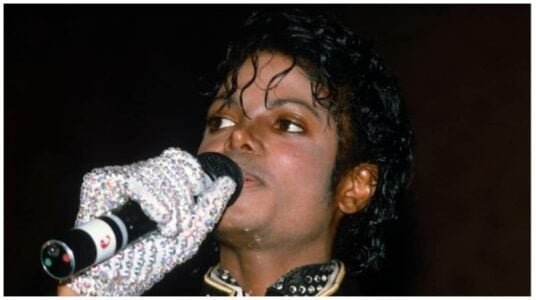
The predictable backlash against the Michael Jackson biopic, “Michael,” came fast and furious. Many critics either panned the film or savaged it, with little room for middle ground. But that’s no surprise. Michael, both as an icon and a person, has always polarized audiences. He was adored by some for his transcendent talent and innovative artistry, while others were repelled by the allegations and scandals that haunted him throughout his life. This duality, reflected in the film, brings forth a tempestuous conversation about his legacy, one that continues to reverberate long after his passing.
While the film aims to celebrate the achievements of the King of Pop, it also inevitably stirs up the controversies that defined his latter years. Critics argue that the movie glosses over darker chapters of his life, choosing instead to focus on his highs—such as record-breaking album sales and iconic performances. But is it fair to ignore the complexities of a man who was, at times, a reflection of our societal values and failures? Many believe that by brushing aside the allegations of abuse and other troubling aspects of his narrative, the film fails to present a holistic depiction of Michael Jackson’s life and character. As audiences sift through the reviews, it is clear that some fans crave a more nuanced portrayal that balances his brilliance with his missteps.
The controversy surrounding the film also reveals broader themes about celebrity culture and accountability. We live in an age where the pursuit of truth often collides with the desire for nostalgia. Fans want to celebrate Michael’s music and impact, yet they can’t ignore the troubling questions that arise when discussing his life. In many ways, the film serves as a mirror reflecting the complexities of fame, art, and morality. How do we reconcile our love for a transcendent artist with the faults of their humanity? This tension is at the heart of the discourse not just about the biopic, but about the man himself.
Ultimately, whether you view “Michael” as a triumphant homage or a disappointing narrative, it is clear that the King of Pop remains an enigma. His music may continue to inspire, but the layered conversations about his life and legacy are far from over. By engaging with these discussions, we honor a complex figure who, despite his flaws, changed the landscape of music forever. In this way, both the film and Michael Jackson himself perpetuate a dialogue that refuses to be neatly packaged, challenging us to confront the dualities that exist within art and the artists who create it.
About The Author