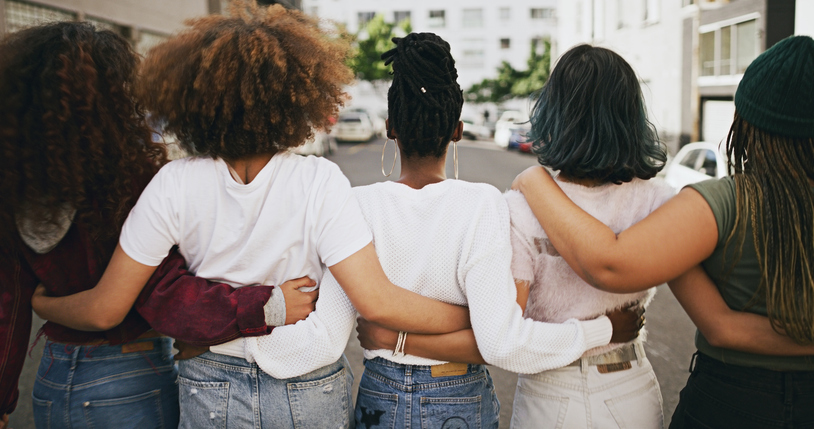
In America, a silent crisis looms, disproportionately impacting Black women and girls. The statistics are harrowing; while the broader society grapples with issues of violence, Black women face a unique and insidious epidemic of femicide that often goes unacknowledged. This is not merely a statistic; it is a stark reality that affects families, communities, and the very fabric of our society. As the numbers rise, we must confront the uncomfortable truth: Black women matter, yet they often find themselves at the bottom of the societal priority list.
The visceral violence directed at Black women isn’t just a matter of isolated incidents. It is a systemic issue, rooted in a history of racism, misogyny, and societal neglect. From domestic violence to street harassment to a lack of sufficient support from law enforcement, Black women navigate a world where their safety is always in question. The femicide crisis must be front and center in our conversations about public safety and justice, rather than relegated to the shadows of broader discussions. We need to amplify the voices of those who have suffered and work to change the narratives that have allowed such violence to persist.
Underlying this crisis is a cultural narrative that often trivializes the experiences of Black women. While the media can spotlight the stories of individual victims, it frequently misses the broader patterns of violence that connect them. We must challenge the cultural narratives that perpetuate this cycle of violence, calling for representation and accountability in how these stories are told. It is time for Hollywood, the media, and society at large to elevate the discourse around Black women’s lives and experiences, ensuring their stories are heard and honored. When we fail to do this, we fail to protect not only the lives of Black women but the integral roles they play in our communities.
The solution to this crisis requires urgent policy changes and community engagement. We must prioritize the safety and autonomy of Black women through comprehensive support systems, including mental health resources, legal protection, and community education programs. Policymakers need to recognize the unique challenges faced by Black women and commit to addressing them with urgency. This is not just a Black issue; it’s a societal issue that calls for collective responsibility.
In closing, the femicide crisis affecting Black women in America is a national tragedy that demands immediate attention and action. We must unite across racial, gender, and socio-economic lines to ensure that the lives of Black women matter in every sense of the phrase. It is time to rise, to advocate, and to protect the lives that have too often been disregarded. Silence is not an option; we must speak out, act, and create a world where Black women can thrive without the shadow of violence looming over them.
About The Author