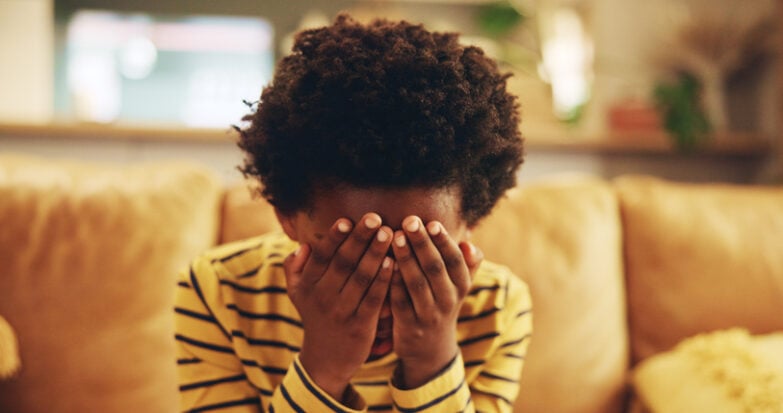
A recent study conducted by iSharing, a family location tracking app, has shed light on the alarming safety risks faced by children across the United States. The findings of this April 2026 report not only highlight the states where kids are most vulnerable but also serve as a wake-up call for parents everywhere. While it’s easy to assume the usual suspects might dominate the list, the data reveals some surprising twists that could challenge preconceived notions about safety in America.
For parents, the implications of these findings are deeply concerning. The report takes into account a wide range of factors including crime rates, educational stability, and access to safe recreational areas. Some states that have long been viewed as family-friendly havens are now under scrutiny, raising questions about their ability to protect the youngest members of society. Parents in unexpected regions may find themselves grappling with a reality that contradicts their beliefs about safety, highlighting the urgent need for community engagement and systemic reforms.
Beyond just raw numbers and statistics, this study emphasizes the importance of understanding local environments and advocating for changes that prioritize children’s health and safety. It suggests a call to action for families to remain vigilant and engaged in their communities, monitoring what’s happening around them and demanding better conditions for their children. It’s a stark reminder that safety is a complex issue that transcends borders and demographics, affecting families from all walks of life.
As the conversation around children’s safety evolves, it becomes increasingly vital for parents and guardians to educate themselves about the environment their children are growing up in. The iSharing report serves not just as a ranking of danger but as an invitation for dialogue about how we can collectively foster safer spaces for our kids. In a world where peace of mind feels increasingly elusive, understanding the landscape of risk is the first step toward building a safer future for the next generation.
About The Author