By Jasmine Reed, PowerVault Staff
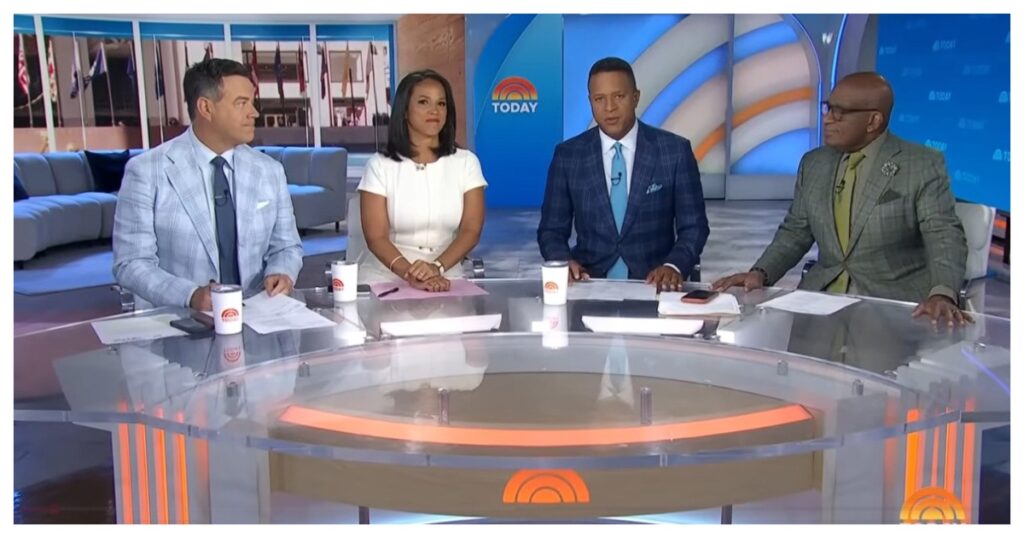
In a troubling turn of events, NBC’s ‘Today’ show is tightening its security protocols after an intruder assaulted the set, rushing at co-anchor Craig Melvin while spewing a racist slur. This incident has led to significant changes in studio access rules, with new limitations set on the number of guests accompanying interviewees. It’s a stark reminder of not only the vulnerability of public figures but also how deeply embedded racism continues to rear its ugly head in our society.
To fully grasp the gravity of this incident, we must acknowledge the broader context of media representation and the continued risks faced by Black individuals in high-profile positions. Craig Melvin, a prominent Black journalist, has established a significant platform within American media. Yet, this incident underscores the fact that such visibility also attracts hostility. The ‘Today’ show’s decision to bolster security reflects a growing concern over the safety of Black media figures who face not just scrutiny, but direct threats. In an era where racial tensions are exacerbated and amplified through digital platforms, the urgent need for effective security measures becomes all the more paramount.
From our vantage point at PowerVault Network, this incident isn’t just a headline—it’s reflective of a larger culture of intimidation that Black professionals navigate daily. The world of entertainment and media has made strides toward inclusivity, but it remains plagued by the specter of racism. The restrictions placed on guests could be seen as a necessary precaution, but they also highlight an unsettling reality where the fear of violence looms over spaces that are meant to celebrate culture and creativity. This isn’t merely about Melvin’s safety; it’s also a commentary on the ongoing struggle for Black individuals to exist freely in spaces that should be welcoming.
Looking back, there’s a parallel to be drawn with the incident that befell journalist and social activist, Asha Rangappa, who faced vitriolic harassment online. The common thread here is the pervasive nature of being Black in the public eye, where threats come not just from physical proximity but also from digital spaces that can manifest in real-life actions. These moments are stark reminders that progress in representation does not equate to safety—recognizing this is crucial for moving forward.
So what’s next? As we watch the fallout from this incident, it’s vital to ask how media organizations will adapt to ensure the safety of their talent, particularly for Black voices. Will this spur broader discussions about systemic racism within not only media but other industries? How will platforms evolve to protect their figures while maintaining an essence of openness and accessibility? As we continue to champion Black culture and storytelling, we must remain vigilant, advocating for not just representation, but also genuine safety and respect for those who dare to share their narratives. The road ahead is fraught with challenges, but it’s one we must traverse collectively.
About The Author