In a move that has raised concerns among immigrant communities, the Supreme Court is set to hear arguments that could effectively end Temporary Protected Status (TPS) for thousands of individuals who have sought refuge in the United States. This legal battle comes on the heels of decisions made under the leadership of Kristi Noem, as the Department of Homeland Security (DHS) opted not to renew TPS for 12 countries last year. For many, TPS has provided a vital lifeline, allowing them to live and work without fear of deportation during times of crisis in their home countries. As the court prepares to hear these arguments, the implications of their ruling could resonate across immigrant communities, impacting families and individuals who have built lives in the U.S. amidst uncertainty.
The Temporary Protected Status was initially created to offer relief to individuals from countries experiencing war, natural disasters, or other extraordinary conditions. However, the current administration’s refusal to extend this protection has ignited a firestorm of debate, particularly given the political backdrop. Critics argue that the decision not only undermines the very ethos of humanitarian support but also threatens the stability of countless families who have relied on this status for years. The Supreme Court’s decision could shine a light on the balancing act between national policy and human rights, underscoring the complexities of immigration law in our country.
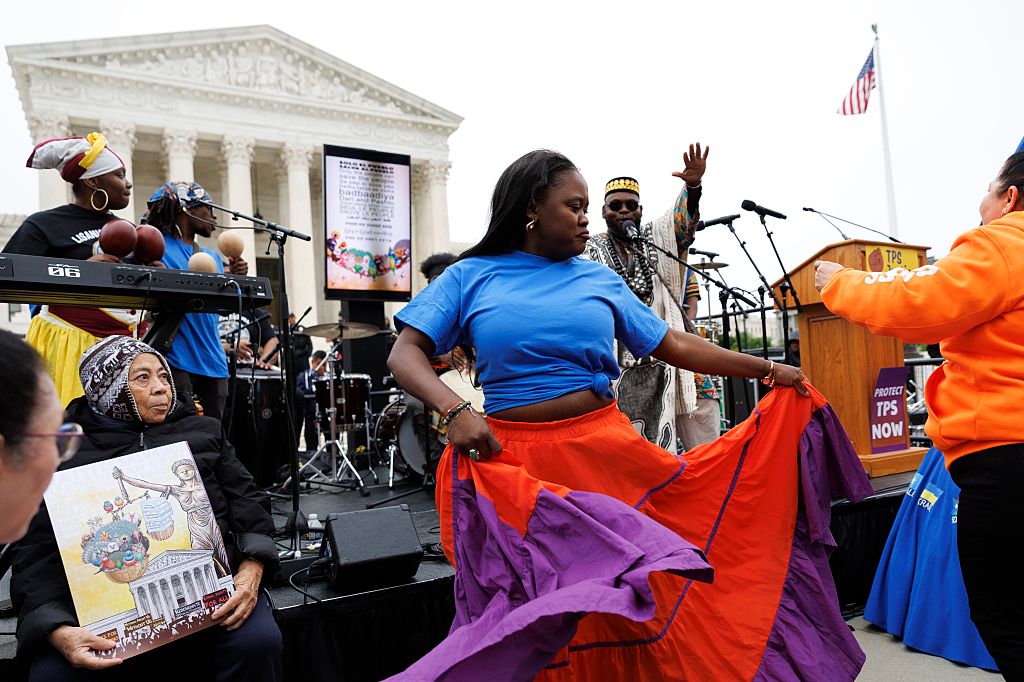
As arguments unfold in the Supreme Court, advocates are calling for a reconsideration of the criteria used to evaluate whether TPS should be continued. They emphasize the importance of recognizing the ongoing crises in the affected nations, which range from political instability to environmental disasters. With many members of the Black and Latino communities among those impacted by these changes, the conversation transcends mere policy—it becomes a matter of justice and equity. The stakes are high, and as the court proceeds, it will not only define the future of TPS but also signal how the U.S. views its responsibility toward those fleeing dire circumstances.
The potential ramifications of ending TPS extend beyond legalities; they touch the very fabric of our society. Communities that have long welcomed immigrants will now have to confront the reality of losing vital members who contribute to the economy and cultural diversity. The Supreme Court’s ruling will not only shape the fate of individuals but also influence the broader conversation surrounding immigration reform in America. As we watch the proceedings unfold, we must remain vigilant and engaged, advocating for those whose voices often go unheard in the halls of power. The fight for justice is far from over, and how we respond in these critical moments will define our collective future.
About The Author