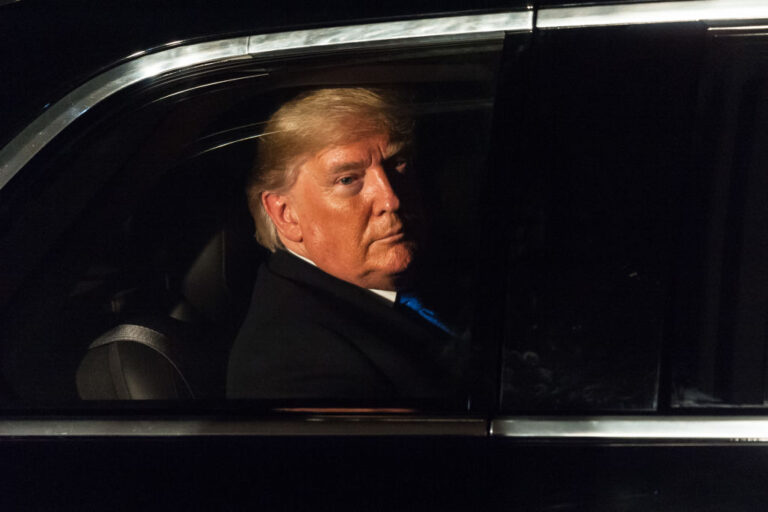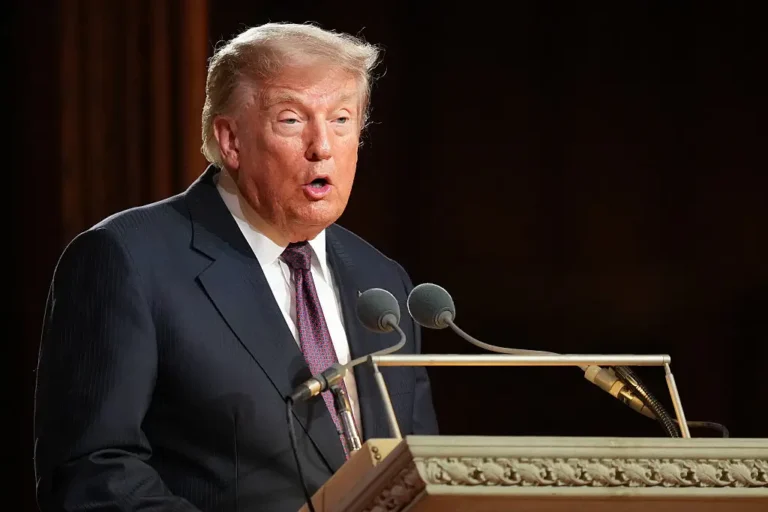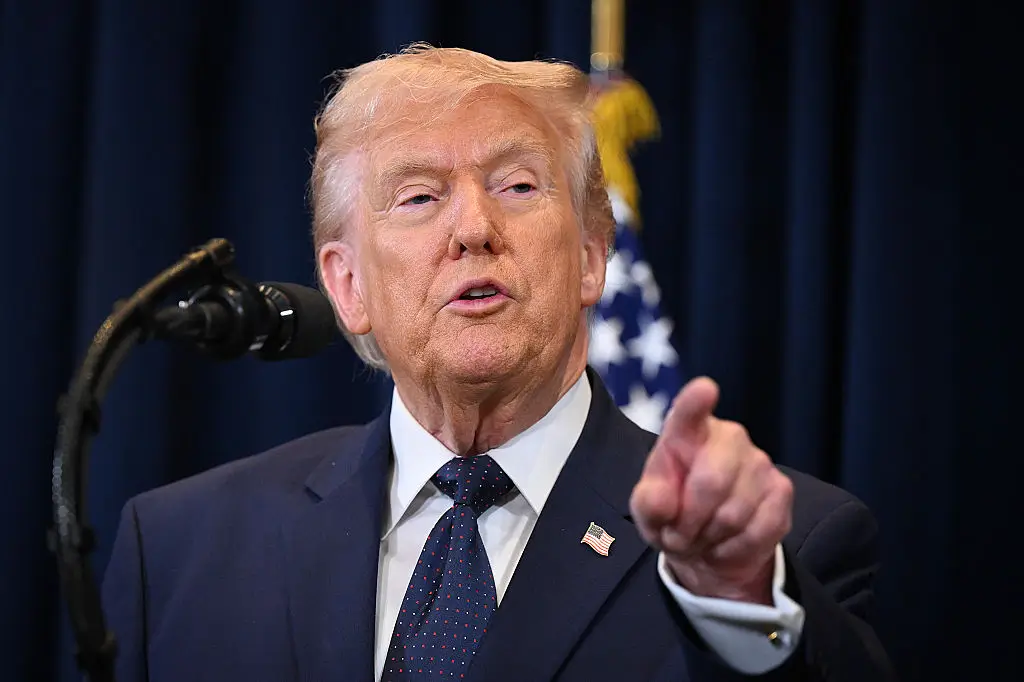
In an unexpected turn of events, former President Donald Trump found himself in the hot seat during a recent press briefing when a single reporter refused to back down on a particularly sensitive issue: soaring gas prices. The moment was both revealing and cringe-worthy as Trump, known for his combative rhetoric, seemed to fumble and squirm under the pressure of straightforward inquiries. The exchange quickly turned heated, with Trump branding the persistent journalist a “coward”—a label that seemed more reflective of his own discomfort than of the reporter’s probing questions.
For many Americans, the rising cost of gas remains a vivid and painful reminder of economic instability. As prices spiked, the blame game commenced, with Trump attempting to deflect responsibility while his base pushed for answers. However, when this reporter pressed him for specifics on how his administration planned to address the issue, it became evident that Trump was out of his depth. His evasive responses and visible frustration painted a picture of a leader struggling to reconcile the promises of his previous term with the stark realities facing the country today.
The exchange served as a microcosm of Trump’s broader relationship with the media, characterized by confrontations steeped in bravado but often lacking substance when it comes to accountability. This dynamic raises questions not just about his leadership style, but also about his ability to engage with pressing issues that affect everyday Americans. For many viewers, it felt like a compelling illustration of how political figures often dodge difficult questions while insisting they are champions of the people.
As social media erupted with clips of the exchange, many found it hard to look away. The reality is that, for the average American grappling with everyday expenses, the frustration expressed during that briefing resonated deeply. It underscores a critical truth about leadership: it’s not just about facing the music; it’s about having real answers to the pressing questions we face as a nation. In a time when transparency is paramount, Trump’s inability to confront the issue of gas prices head-on might just be a reflection of a larger pattern of avoidance that could haunt him in future political endeavors.
Ultimately, the spectacle of a once-dominant figure squirming under pressure may provide a moment of schadenfreude for critics, but it also reveals how fragile political narratives can be when confronted with the hard truths that citizens care about most.
About The Author