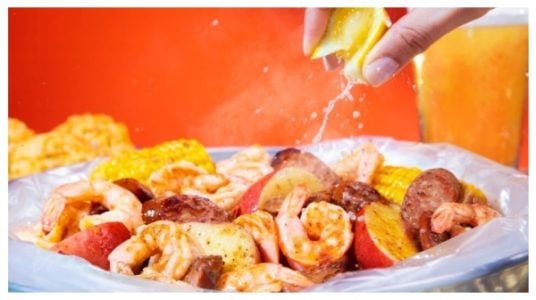
Red Lobster has once again rolled out its Endless Shrimp promotion, a move that used to send waves of excitement through seafood lovers and casual diners alike. This beloved deal, which allows patrons to enjoy as much shrimp as they can handle for a set price, has returned for a limited six-week run in Los Angeles. However, the fanfare that characterized its past incarnations seems to have dimmed significantly, reflecting a broader shift in dining culture and consumer habits.
Back in the day, the Endless Shrimp promotion was practically an event, where friends and families would gather, filling Red Lobster’s dining rooms with laughter and the clattering of plates. The atmosphere was electric, fueled by the anticipation of endless garlic shrimp, popcorn shrimp, and the promise of good times shared over a hearty feast. Yet this season, the once-packed establishments are noticeably quieter, with only pockets of diners scattered around. This shift raises questions about how our cravings and dining preferences have evolved.
While some still flock to enjoy the shrimp fest, others seem content to keep their seafood cravings satisfied in other ways. The rise of food delivery services and a greater focus on health-conscious eating may have contributed to the less enthusiastic response. Countless diners now opt for the convenience of at-home dining, whether through prepared meal kits or their favorite local seafood restaurants, rather than making a trip to Red Lobster. The appeal of the Endless Shrimp may be fading, but it seems to be a reflection of a much larger conversation about how we eat and where.
In the grander context of food culture, the shifting tides surrounding the Endless Shrimp promotion are emblematic of changing tastes and dining habits. The promotional buzz that once drew crowds is not merely about the food; it speaks to the collective experience of sharing a meal, celebrating with loved ones, and the nostalgia tied to those moments. As the hype around Endless Shrimp wanes, it serves as a poignant reminder that in the world of food, what is once a sensation can just as easily become a passing trend. The shrimp may be endless, but our attention and enthusiasm are finite, navigating a sea of choices in our modern culinary landscape.
About The Author