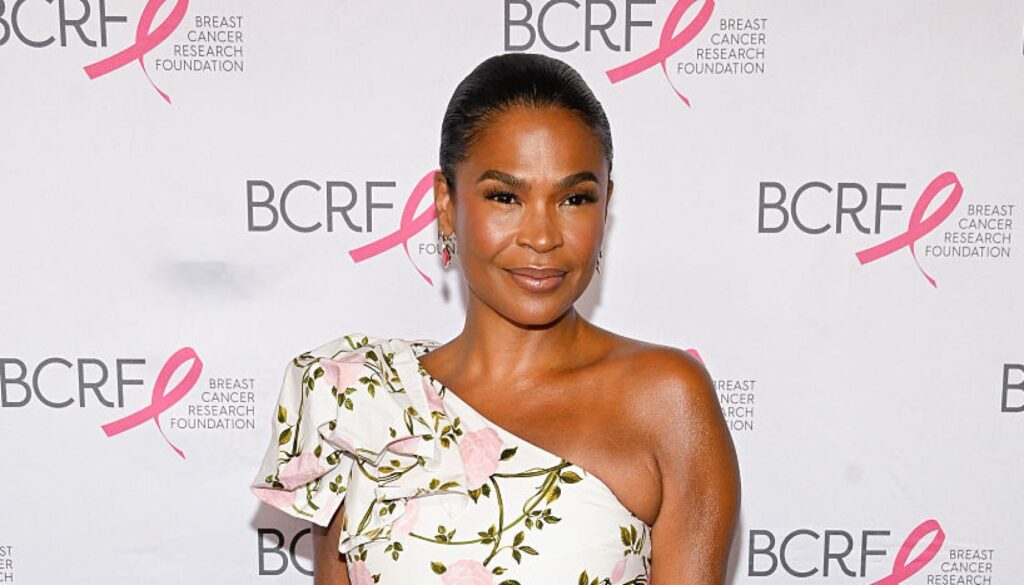
As the highly anticipated Michael Jackson biopic, ‘Michael’, takes the box office by storm, some off-screen drama is stealing headlines. Nia Long, celebrated actress and cultural icon, is reportedly stepping into mediation with Lionsgate, challenging the significant pay discrepancy she has faced compared to her male co-stars. At the heart of this conflict is her portrayal of Katherine Jackson, the matriarch of the renowned Jackson family. Long’s career, which spans decades and showcases her consistent talent, makes this pay gap particularly glaring.
In an industry where wage equality still feels like a distant dream, this situation is a stark reminder of the ongoing battle for fairness in Hollywood. Nia Long, known for her powerful performances in classics such as ‘Love Jones’ and ‘Boyz n the Hood’, has long been an advocate for equal pay and representation. Her role as Katherine Jackson not only underscores her skills as an actress but also highlights the importance of recognizing the contributions of women, especially women of color, in the entertainment sector.
The timing of this dispute couldn’t be more significant as conversations around pay equity are becoming increasingly prominent in the industry. By challenging Lionsgate, Nia Long is not just standing up for herself but for many women who have faced similar injustices in their careers. This case may set a precedent that could reverberate throughout Hollywood, potentially prompting a reevaluation of contracts and compensation structures in the film industry.
As fans and industry watchers closely follow this story, it raises questions about how far the industry has come and the journey that still lies ahead for achieving true equality. With the film industry under a microscope, Nia Long’s mediation with Lionsgate could very well become a pivotal moment in the fight for pay equity, bringing to light the persistent issues that have long affected women and marginalized communities in Hollywood. As we anticipate the outcomes, one thing remains clear: Nia Long is a force, and her voice matters in the ongoing conversation about equity in entertainment.
About The Author